A Michigan Senate candidate promises health care with no premium, no copay and no deductible, then admits in the same breath that taxes will have to go up to pay for it.
Quick Take
- Michigan Democrat Abdul El-Sayed pitches Medicare for All as free of premiums, copays and deductibles for every American.
- He has also acknowledged the plan would likely require higher taxes, even for families well below the top income brackets.
- Republican rival Mike Rogers says the plan would raise taxes, cost too much and drive doctors away.
- Nonpartisan budget analysts have pegged the price tag of a full single-payer system at roughly 32 trillion dollars over ten years.
The Pitch: No Premium, No Copay, No Deductible
El-Sayed has built his Senate campaign around a simple slogan. Medicare for All, he says, means guaranteed health care “cradle to grave” with zero out-of-pocket costs. He has repeated the line that coverage would follow you no matter what happens in life. Get a job, lose a job, turn 26, turn 65, get married or divorced, the promise stays the same.
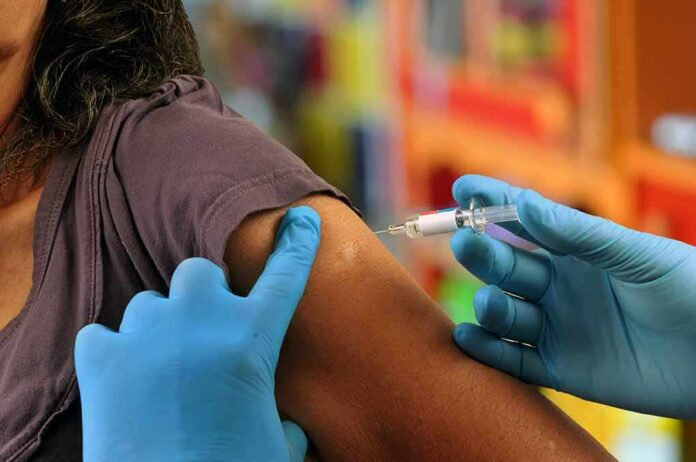
It is a powerful sales pitch. Nobody enjoys copays or surprise bills, and El-Sayed knows it. But a plan that removes every dollar of individual cost from the health care system does not make that cost disappear. It just moves the bill somewhere else. That somewhere else, by every honest accounting, is the taxpayer.
The Tax Admission That Undercuts the Slogan
El-Sayed has not hidden this trade-off entirely. After winning his primary, he acknowledged the plan would “most likely” come with higher taxes. In a separate interview, he said he hoped it would not raise taxes for Michigan families earning around 100,000 dollars a year, a much narrower promise than “no premium, no copay, no deductible” for everyone.
That gap between the campaign slogan and the fine print is exactly what critics have seized on. A plan financed partly through repurposed government spending and partly through new revenue is not the same thing as free health care. It is a different billing system, paid through the tax code instead of an insurance card.
What Critics and Nonpartisan Analysts Say
Republican Senate candidate Mike Rogers has hammered the contradiction directly, saying El-Sayed’s plan would “raise taxes, cost too much, and drive doctors away”. Bridge Michigan’s fact-check on the dispute pointed back to a 2019 analysis from the nonpartisan Committee for a Responsible Federal Budget, which estimated a single-payer system would cost more than 32 trillion dollars over a decade.
That estimate is not an outlier. Separate reviews from the Urban Institute and the libertarian-leaning Mercatus Center landed on similar numbers, both projecting roughly 32 trillion dollars in new federal spending over the plan’s first ten years. When multiple analyses across the political spectrum arrive at the same rough figure, dismissing it as partisan noise gets harder to do.
The Political Stakes in Michigan’s Senate Race
This fight matters because Michigan’s Senate seat is genuinely competitive, and health care costs sit near the top of voter concerns in a state still recovering from years of manufacturing upheaval. El-Sayed is betting that frustration with insurance companies outweighs skepticism about government-run care. Rogers is betting the opposite, that voters will punish a candidate who promises something for nothing.
Common sense suggests voters deserve a straight answer, not a slogan that shifts depending on the audience. Promising “no premium, no copay, no deductible” while quietly conceding tax hikes are coming is not transparency, it is marketing. Families earning modest incomes have a right to know exactly what a 32 trillion dollar program will cost them, not just what it promises to give them for free.
Sources:
nytimes.com, currentaffairs.org, foxnews.com, wsj.com, breitbart.com, vox.com
© truthandliberty.com 2026. All rights reserved.