Iranian security forces rolled out waves of motorcycle patrols and new checkpoints across major cities as leaders brace for unrest.
Story Snapshot
- Motorcycle units and checkpoints expanded across Tehran and other cities, signaling a nationwide security surge.
- Reports describe deployments of police, Basij militia, and special units at fuel stations and key routes.
- Analysts say Iran’s playbook relies on layered forces and visible control to deter protest coordination.
- Large mobilizations and exercises point to a show of strength designed to prevent flashpoints.
What Happened: Patrols, Checkpoints, and a Show of Force
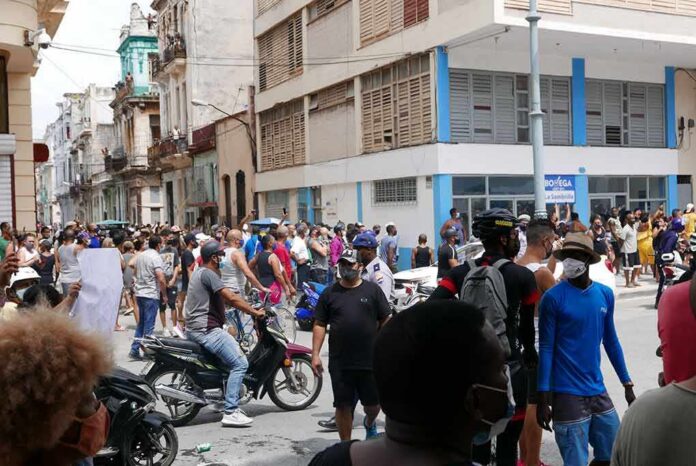
Multiple reports say Iranian security forces increased their presence across Tehran and other cities. Motorcycle patrols and fixed checkpoints appeared in more neighborhoods as authorities prepared for possible unrest. Sources quoted in news accounts described a mix of patrols, search points, and units visible on main roads and near crowded areas. This posture expanded beyond the capital. Accounts linked to regional outlets pointed to deployments in Mashhad, Shiraz, Isfahan, Tabriz, and other cities during the same period.
Residents and local media described security units near fuel stations, transit hubs, and sensitive sites. Witnesses reported special units and the Basij militia moving through streets and gathering near stations after dark. These steps align with earlier patterns seen when the government fears sudden crowds or strikes. The goal is simple and blunt: show readiness, limit movement, and make it hard for groups to form before authorities can respond.
Who Is Involved: Basij, Police, and Revolutionary Guard Links
The Basij, Iran’s nationwide volunteer force tied to the Islamic Revolutionary Guard Corps, featured heavily in the reports. The Basij often moves by motorcycle in small groups to cover ground fast and break up gatherings. Analysts and prior reporting say these units combine street presence with local intelligence to preempt protests. Reuters has described this as a layered security architecture that relies on both numbers and omnipresence. That design helps authorities move quickly and signal control ahead of planned events.
Separate coverage detailed large-scale mobilizations tied to Revolutionary Guard exercises. One outlet reported plans to field tens of thousands of motorcyclists in Tehran as part of a high-profile campaign. The timing suggested a show of strength meant to project order and to remind the public that rapid responders are everywhere. These events are not mere parades. They teach coordination, test communications, and put riders, routes, and checklists into practice for real-world use.
Why It Matters: Deterrence, Daily Life, and a Strained Public
Iran’s leaders have learned that visible force can cool a crowd before it forms. Motorcycle teams slip through traffic, appear fast, and pressure people to keep moving. Checkpoints slow travel and raise the risk of searches. This approach reduces the chance that a local grievance becomes a citywide protest. Analysts argue the main effect is not only force, but the message that the state is watching every block.
Iranian authorities have stepped up security across Tehran and other cities, with motorcycle patrols, checkpoints and forces positioned in major urban areas, multiple sources inside Iran told Fox News Digital.
The buildup comes as university students in Tehran return to the… pic.twitter.com/QmT1BWvPOf
— Fox News World (@FNCGlobalNews) September 29, 2026
For ordinary Iranians, these deployments shape daily life. Extra stops add time and stress to commutes. Patrols near fuel stations and markets remind people to avoid scenes that could look like a gathering. Reports from several cities described crowded streets, heavier security near stations, and a tense mood as units cycled through key areas. These scenes reflect a cycle many citizens know well: economic strain, fear of unrest, and a rapid government response designed to keep control.
How This Fits a Larger Pattern: Playbook Under Pressure
This surge matches a long-running playbook. When risk rises, Iran relies on a mix of police, Basij, and Revolutionary Guard-linked units, plus checkpoints and neighborhood surveillance. Prior rounds of unrest led to the same tools, refined by faster motorcycles, tighter communications, and more visible drills. Reuters reporting on the security system notes its strength comes from scale and steady presence, not just crackdowns after protests begin. That makes today’s posture look like a standard response to rising pressure.
Sources:
redstate.com, ncr-iran.org, us.headtopics.com, iran-hrm.com, irannewswire.org
© truthandliberty.com 2026. All rights reserved.