In a Utah courtroom this week, a young man accused of assassinating Charlie Kirk sat just feet from Kirk’s grieving widow, as prosecutors began laying out a case they say is strong enough to justify the death penalty.
Story Snapshot
- Tyler Robinson faces a weeklong preliminary hearing on charges he assassinated conservative activist Charlie Kirk during a campus speech.
- Prosecutors plan to preview DNA, ballistics, digital messages, and witness accounts as they argue the case should go to trial and qualify for the death penalty.
- Charlie Kirk’s widow, Erika, is using rare victim rights tools to push for a speedy, open trial, even as legal experts say her influence is limited.
- The case highlights growing fears about political violence and a justice system many Americans on both left and right feel is failing them.
Inside the Utah courtroom: Erika Kirk faces the accused killer
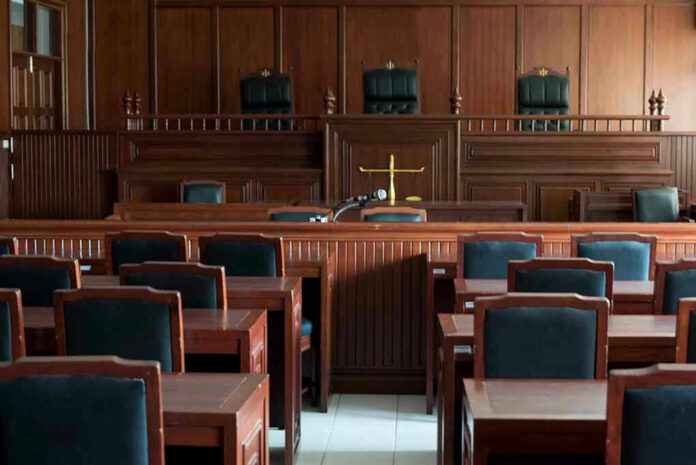
Inside Fourth District Court in Provo, Utah, Tyler Robinson, 23, appeared for a five-day preliminary hearing over the September 10, 2025 shooting death of conservative activist Charlie Kirk at Utah Valley University. Prosecutors say Robinson fired a single round from a rifle, striking Kirk in the neck as he spoke to thousands at a Turning Point USA event. This hearing is the first time Erika Kirk and Kirk’s parents have sat in the same room as the man accused of killing him.
Prosecutors are seeking the death penalty and must now convince Judge Tony Graf that there is enough evidence for the case to move to a full trial. Under Utah law, a preliminary hearing is not about proving guilt beyond a reasonable doubt. It is about showing probable cause that Robinson likely committed aggravated murder and related crimes, including using a firearm and committing a violent act in front of a child. If Graf finds that threshold met, Robinson will be formally arraigned and asked to enter pleas.
The evidence prosecutors say points to aggravated murder
During the hearing, prosecutors are previewing the backbone of their case, including forensic evidence they say ties Robinson directly to the rifle used in the assassination. Court filings describe DNA on the rifle and other items linked to Robinson, as well as bullet fragments from Kirk’s autopsy that match the caliber of the weapon recovered near campus. Ballistics testing examined spent and unfired cartridges, looking for toolmarks that could connect them to Robinson’s rifle, though at least one federal analysis reportedly stopped short of a conclusive match.
Digital records are another key part of the state’s story. Charging documents and media reports say Robinson exchanged messages with his roommate and romantic partner, Lance Twiggs, after the shooting, describing the attack and failed efforts to retrieve the gun. Prosecutors claim those messages amount to a confession and have charged Robinson with witness tampering over some of his communications. Investigators also say Robinson posted on the chat platform Discord, identifying himself as Kirk’s shooter shortly before he surrendered to law enforcement.
Defense fights hearsay, delays, and death penalty risk
Robinson’s defense team has not publicly conceded guilt, but they are aggressively attacking how the state presents its case. They argued that hearsay testimony from officers repeating what other witnesses said should not be allowed at the preliminary hearing, calling prosecutors’ reliance on it misleading. Judge Graf rejected that request, ruling that hearsay can be used at this early stage because the legal test is only whether probable cause exists, not whether the evidence could win at trial.
Defense lawyers also accuse prosecutors of violating a gag order by talking to the media about expert reports, and they want the court to remove the death penalty as a punishment for that alleged breach. They have sought delays to review forensic reports and highlighted that an analysis by the Bureau of Alcohol, Tobacco, Firearms and Explosives could not definitively tie the fatal bullet to Robinson’s rifle. Legal analysts say these moves reflect a strategy to slow the case, narrow the state’s evidence, and chip away at the claim that the prosecution’s case is “overwhelming.”
Erika Kirk’s unusual push for speed and openness
While the defense seeks more time, Erika Kirk is pushing in the opposite direction. In January, her attorney filed a motion demanding a speedy trial, accusing Robinson’s team of “undue” and “unwarranted” delay. Utah law gives victims and their representatives limited rights to timely proceedings, but constitutional speedy trial protections are much stronger for defendants. State legal experts say Erika’s filing is largely symbolic and unlikely to force a faster schedule.
NEW: Charlie Kirk murder suspect Tyler Robinson was seen laughing in court today just feet away from Erika Kirk, according to the Daily Mail.
The outlet reports that Robinson was seen laughing at one point with his attorney, Kathy Nester.
Charlie's parents and Erika… pic.twitter.com/35WbbYTNKW
— Collin Rugg (@CollinRugg) July 6, 2026
At the same time, Erika is pushing hard for public transparency. She filed documents asking the court to reject efforts to close hearings or limit cameras, arguing there is “no adequate substitute for open proceedings” in a case that has drawn major national interest. Judge Graf has so far agreed, ruling the July hearing will remain open to reporters and the public and allowing news cameras to record much of the preliminary hearing over defense objections. For many Americans who distrust the system, these open doors may be the only way to judge whether justice is truly being done.
Political violence, polarization, and public frustration
The killing of Charlie Kirk is being examined not only as a murder, but as a political crime. Investigators have looked at online radicalization and extremist ideology, and prosecutors say sentencing could be enhanced because Kirk was allegedly targeted for his public speech. Researchers note that the United States has seen a sharp rise in political violence in recent years, often carried out by self-radicalized individuals rather than organized groups, in a climate fueled by anger, mistrust, and conspiracy talk.
Polls show a large majority of Americans now see political violence as a serious problem, even though only a small share say they personally support it. For many on both the right and the left, this case reinforces a deeper fear: that the country’s leaders and institutions are not protecting people from extremist threats, nor are they delivering fair, timely justice. As Erika Kirk sits in that Utah courtroom facing the man accused of killing her husband, millions watching from afar are asking a hard question that goes beyond one tragedy: is the system strong enough, and honest enough, to keep our darkest days from becoming our new normal?
Sources:
redstate.com, cbsnews.com, cnn.com, nypost.com, ksl.com, livenowfox.com, youtube.com, heraldextra.com, kutv.com, czasopisma.tnkul.pl, themedialine.org, pbs.org, ctc.westpoint.edu, moreincommon.substack.com
© truthandliberty.com 2026. All rights reserved.