On the Fourth of July, the fight over freedom turned to the Second Amendment—again.
Story Snapshot
- Advocacy groups used Independence Day to push gun laws and reframe “patriotism.”
- Supreme Court rulings protect an individual right to keep and bear arms.
- Courts also allow some regulations, keeping legal lines contested.
- The American Civil Liberties Union backs regulations tied to public safety.
The July 4 playbook returns: Freedom language, policy demands, fast backlash
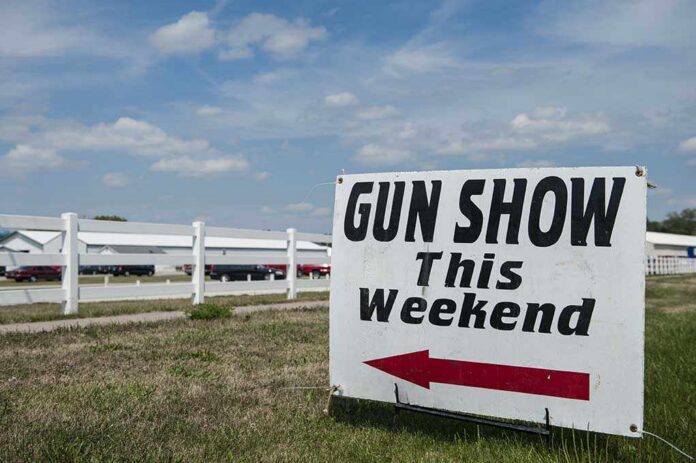
Gun-control advocates leaned into the holiday again. Groups promoted background checks, assault-style weapon limits, and safe storage as “freedom from gun violence.” Prior years show this pattern: local chapters hit parades, hand out flyers, and tie red, white, and blue to new rules on who can buy what, and when. That pitch reaches voters who may ignore politics the rest of the year. Opponents answer fast, calling it a bait-and-switch on liberty and a swipe at lawful gun owners.
Evidence of a single named “Independence Day” campaign this year is thin in the record provided. But the broader tactic is not new. Moms Demand Action, Brady United, and Everytown have used July 4 messaging for years to press for universal checks and limits on high-capacity magazines. The frame is simple: safety equals freedom. The pushback is simple, too: rights are freedom, and rights do not shrink for holidays.
What the law actually says after Heller, McDonald, and Bruen
The Supreme Court set the baseline in 2008. District of Columbia v. Heller held that the Second Amendment protects an individual right to keep a gun for lawful uses like self-defense in the home. Two years later, McDonald v. City of Chicago applied that right to states and cities, not just Washington, D.C.. These cases do not end the debate, but they draw a bright line. Lawmakers cannot ban the core of that right and pass muster.
The Court also left room for rules. Even advocates for tighter laws point to Heller’s language that some “longstanding” regulations can be lawful. Groups like Giffords cite lower court cases upholding bans on certain weapons and large-capacity magazines, and approving red flag orders and storage rules, to argue regulation can fit within the Constitution. That reading faces more stress after New York State Rifle and Pistol Association v. Bruen, which raised the bar for new laws by demanding a close match to historical tradition.
Patriotism, safety, and the conservative common-sense lens
American conservatives tend to judge claims by text, history, and outcomes. The text says “the right of the people to keep and bear Arms.” Heller confirms that means an individual right. History shows armed citizens as a check on tyranny and a pillar of security. Outcomes matter too. Policies that burden only the law-abiding while criminals ignore them fail the common-sense test. On July 4, a call to “free” America by restricting a core right lands as off-key with that audience.
At the same time, many Americans accept targeted steps to stop proven threats. The American Civil Liberties Union supports regulations tied to real public safety interests, if they track the Constitution. That principle does not bless every new bill. It does support narrow, well-evidenced rules that square with the Court’s guidance. The key is precision, not pageantry; data, not slogans; and respect for rights as the starting point, not the obstacle.
What would move the needle beyond holiday headlines
Clear facts win over noise. Advocates who claim that bans or new limits save lives need to present strong, peer-reviewed results, and show the law fits Heller, McDonald, and Bruen. Citing a parade is not proof. Citing a study with methods and measurable drops in violence gets attention. Giffords points to a track record of rules that survived court review, which suggests a lane exists for some regulation, but each proposal must stand on its own.
Imagine calling for gun control the day after Independence Day https://t.co/bJsNv7b90X
— Ghost of the Ghost of a Renegade Marine (@chattergade) July 5, 2026
For lawmakers, the path is narrow but not closed. Focus on enforcing existing laws against straw buyers and violent felons. Target proven risk with due process, like well-crafted red flag orders with fast hearings and penalties for abuse. Invest in crime hot spots where most shootings happen. Keep the core right intact, as the Court requires, and demand hard evidence for any rule that touches it. That is a July 4 message that respects both liberty and safety.
Sources:
constitutioncenter.org, giffords.org, youtube.com, pmc.ncbi.nlm.nih.gov, shontelbrown.house.gov, instagram.com
© truthandliberty.com 2026. All rights reserved.