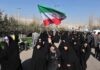
Iranian workers say they were ordered to pack Khamenei’s funeral, even as officials promise a “voluntary” crowd in the millions.
Story Snapshot
- Messages from Iranians describe pressure on workers, businesses, and charities to attend ceremonies.
- Public employees were told to show up, with leave reportedly canceled in parts of Tehran.
- Officials delayed the funeral 131 days over security fears tied to war and mass crowds.
- State media projects tens of millions in attendance amid tense ties and a fragile calm with the United States.
What Iranians Reported About Pressure to Attend
Iran International reported dozens of messages from inside Iran that describe orders and pressure to attend the funeral events. The reports say state-linked offices pushed workers, businesses, and charities to send people. A Tehran city worker said all leave was canceled. A shared audio clip, tied to a local human resources director, told staff to attend, even if they had children or health issues. Some charities and restaurants were warned to contribute or face trouble with their work or closures.
Public employees were a special focus, according to the messages. Workers said managers demanded headcounts for ceremonies. One media group was told to provide hundreds of staff. An auto plant worker said overtime was cut as facilities were prepared for visiting mourners. These accounts are detailed and specific. They are not court filings or sworn statements, but they paint a consistent picture of top-down pressure during a high-stakes national event.
Why the Funeral Was Delayed and Why Security Loomed Large
Officials delayed the funeral for 131 days. Coverage ties that delay to war, fears of attacks, and the risk of mass gatherings under tense conditions. The event arrives as Iran faces regional strain and a fragile calm with the United States. These factors make large crowds more risky and more politically charged than normal state mourning. Planning a safe, massive turnout under these conditions was always going to be hard and costly.
NBC News framed the ceremonies as happening under far from ordinary conditions, including a shaky understanding with Washington. That context helps explain the heavy logistics, street closures, and tight control that often accompany such events. It also explains why officials want to project unity and scale, even as many citizens focus on safety, work, and the cost of lost time and forced travel during a struggling economy.
The Official Push for Scale Versus the Evidence Gap on Refusal
State-linked outlets and city leaders promoted a bold target: crowds in the tens of millions. They compared the moment to historic funerals in Iran’s past and spoke about a “funeral of the century.” The message is clear: the state wants a show of unity that the world cannot miss. These claims set a very high bar and leave little space for quiet dissent or simple non-participation to be seen or counted.
#TheWestAsiaPost | 131 days after the death of Iran’s Supreme Leader, Ali Khamenei, millions pour into the streets of Tehran for what authorities describe as one of the largest funeral gatherings in modern history. Iranian state media claims attendance could reach 35 million… pic.twitter.com/Cd1OEplUDG
— WION (@WIONews) July 3, 2026
There is still no confirmed data on how many Iranians refused to attend. There are no independent surveys or official figures that show non-attendance rates. The reports document pressure and orders, not precise counts of who stayed home. That evidence gap matters. It means the public is left between sweeping state claims of unity and citizen reports of coercion, with little neutral measurement to verify either side at scale.
Signals Americans Should Watch
Americans across the political spectrum worry about leaders using big, staged events to hide real problems. This story checks many of those boxes. Authorities closed offices, redirected labor, and promised a sea of mourners. At the same time, workers described pressure that made “choice” feel thin. Without independent counts, officials can claim victory while critics lack the hard numbers to push back. That dynamic will feel familiar to readers who distrust powerful institutions.
Two things can add clarity. First, independent crowd analysis using satellite images could estimate turnout versus bold claims. Second, verified records of workplace orders could confirm how widespread the pressure was. Until then, the most solid facts are these: messages detail mandates and threats to workers and charities; the funeral’s long delay reflected real security fears; and the state is selling a narrative of historic unity during a very fragile time.
Sources:
insiderpaper.com, iranintl.com, nbcnews.com
© truthandliberty.com 2026. All rights reserved.