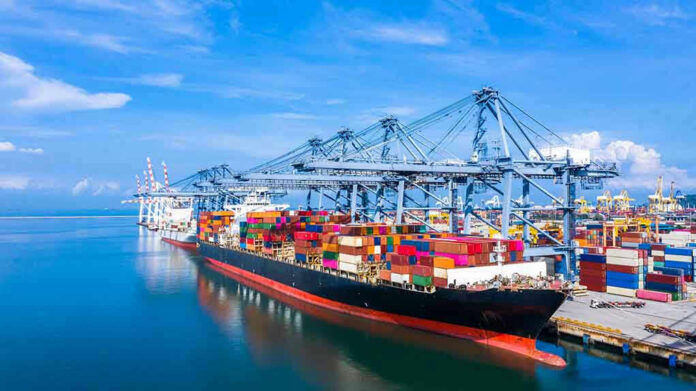
For the first time, Yemen’s Houthis say they targeted Saudi Arabia’s Jeddah Port, pulling a vital Red Sea hub into the line of fire as both sides trade strikes and competing narratives.
Story Highlights
- Houthis claim strikes on Jeddah and Jizan ports after Saudi-led hits near Hodeidah.
- Saudi-led coalition confirms only minor damage at Jizan and reports an interception over Jeddah.
- Independent confirmation of damage at Jeddah remains absent in available reports.
- Attacks add risk to a shipping corridor already straining global trade since 2023.
What Each Side Says Happened
Houthi military spokesman Yahya Saree said forces hit Jeddah Port and Jizan Port in two operations. He linked the attacks to earlier Saudi-led strikes near Hodeidah and called it a “port for ports” response. The Saudi-led coalition said a projectile struck Jizan and caused minor damage with no civilian casualties. It also said its defenses intercepted and destroyed a drone over Jeddah Port, disputing a hit there. Reports have not independently confirmed damage at Jeddah.
Reuters reported that the coalition said it targeted “operational capabilities” at Hodeidah shortly before the port attacks, and later destroyed additional targets in Saada and Amran. The Houthi side framed its action as retaliation for those strikes. The coalition’s description narrows the scope to military-linked assets, which supports a limited-impact framing. This back-and-forth fits a pattern where each side claims restraint while accusing the other of endangering civilians and trade.
Why Jeddah and Jizan Matter to Global Trade
Jeddah is Saudi Arabia’s largest Red Sea port and a key link for container traffic between Asia, the Middle East, and Europe. Even talk of strikes can push ships to delay calls or reroute. Since 2023, Red Sea risks have already forced detours around Africa, raising costs and stretching delivery times. A Library of Congress report said Red Sea attacks since late 2023 have created bottlenecks for global supply chains and strained schedules that businesses rely on.
The economic pain shows up in higher freight and insurance costs, longer voyages, and thinner margins. Some studies estimate disruptions have cost hundreds of millions of dollars per week, with sharp drops in traffic through the region during peak risk windows. When missiles or drones target or even threaten major ports, shipowners face a hard choice: accept higher danger or eat weeks of delay and more fuel burn. Consumers feel that through prices and empty shelves later on.
What We Know, What We Do Not
Confirmed facts are limited. The coalition said Jizan saw a projectile impact with minor damage and no civilian harm. The Houthi claim of a direct hit on Jeddah lacks independent verification so far, while Saudi statements point to an interception, not an impact. The coalition described its Hodeidah action as hitting “operational capabilities,” but public evidence does not settle whether those facilities were civilian, dual-use, or strictly military. That uncertainty fuels dueling messages and public doubt.
🔴Breaking news:
📰 Saudi-led coalition destroys Houthi missile launch platform after attack on Jazan refinery
◾Aramco increases fuel production at Jazan refinery
◾[Houthis deploy Scud missile launchers at camp in Hodeidah]
◾The Saudi-led coalition announced it had… pic.twitter.com/7L8D9edIt1
— newsn7uk 🇬🇧 (@NEWSN7UK_N7) November 27, 2026
Verification is hard in active conflict zones. The group that fires can claim success right away. The target can confirm limited damage without details. Independent images, debris analysis, or port logs often come later, if at all. For citizens and shippers, the key question is simpler: will this raise risk and cost? On that front, the answer is already yes. More alerts, more escorts, and more diversions mean higher bills that families and small businesses eventually pay.
What It Means for Americans Watching the Red Sea
Energy and shipping shocks do not care about party lines. When routes clog, prices drift up and supplies run late. That hits retirees, truckers, farmers, and shop owners. People on the right see weak borders and global entanglements adding risk. People on the left see fragile supply chains and higher costs widening the gap between rich and poor. Both sides see a system that reacts late and pays more. Each new Red Sea scare deepens that shared concern that elites let problems fester.
What to Watch Next
Watch for satellite images of Jeddah and Jizan that show repairs, scorch marks, or normal operations. Look for port notices on closures or slowdowns. Track insurer advisories and ship traffic patterns in the next week. If Jeddah shows clear damage or if ships skip scheduled calls, risk premiums will rise. If traffic holds steady, the immediate impact may stay limited. Either way, the strategic message is clear: one of the world’s busiest sea lanes remains at risk of sudden shocks.
Sources:
en.royanews.tv, africa.dailynewsegypt.com, reuters.com, intelwire.uk, africacenter.org
© truthandliberty.com 2026. All rights reserved.