President Trump said Russia and Ukraine agreed to stop hitting energy sites, but both sides soon traded charges that the other broke the pause.
Story Highlights
- White House readout said the path to peace would start with an energy and infrastructure ceasefire.
- Kremlin reporting said President Vladimir Putin backed a 30-day pause and ordered the military to comply.
- Reuters and others reported fast, mutual claims of violations by both Kyiv and Moscow.
- Lack of public, detailed terms left timing, targets, and enforcement unclear.
What the White House and Kremlin said about the energy pause
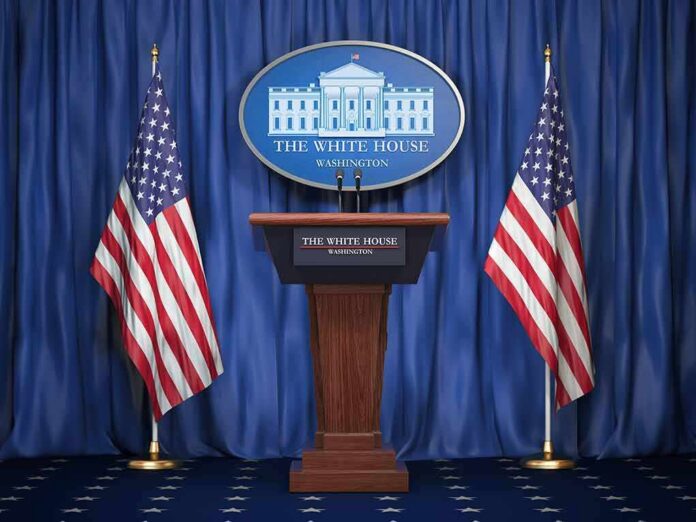
White House accounts of President Trump’s March 18, 2025 call with President Vladimir Putin said the “movement to peace” would start with an energy and infrastructure ceasefire. The language appears in both the official readout and a U.S. Embassy transcript. Politico reported that Putin supported a partial, 30-day pause focused on energy targets and moved to instruct his forces. These statements set a public marker, but they did not include a signed document or enforcement rules.
Kremlin statements, as cited by major outlets, framed the halt as covering energy sites for 30 days and described prompt military orders. Some reporting placed the pause’s focus on refineries, power systems, and related assets. Reuters later noted the Kremlin’s claim that a violation by either side would release the other from its pledge, and it listed energy facilities that would be covered. This included fuel storage, pumping stations, and electricity networks. Those details suggest scope, but the United States did not publish matching terms.
Competing timelines and fast-moving breach claims
Ukraine said the energy ceasefire began on March 25 and accused Russia of breaking it more than 30 times afterward. Russia said Ukraine had already violated the proposal with a drone strike on an oil depot on March 20, days after the Trump–Putin call. Russia later said Ukraine attacked the Sudzha gas metering station on March 28, causing major damage. This clash of timelines and claims made it hard for outside observers to judge who broke what, and when, under which rules.
Reuters reported that both Kyiv and Moscow accused each other of violating the limited, U.S.-brokered arrangement on energy infrastructure. That reciprocal blame pattern continued in follow-up coverage of the alleged oil depot and gas station strikes. The back-and-forth suggests each side treated the energy pause as real enough to allege a breach. It also shows why a clear start time, a target list, and a process to verify attacks matter during war.
Why missing terms matter for safety, energy prices, and trust
Energy sites are not just war targets; they power homes, hospitals, and industry. When leaders say these sites are off-limits, people expect fewer blackouts and fewer fires. But without public, detailed terms, field units can read the deal in different ways. The White House readout did not share a start date, monitoring steps, or penalties for violations. That gap left citizens, soldiers, and markets guessing about what actions were allowed or banned.
Shared frustration on the right and the left comes from this same place. Voters see big claims from leaders, then see the fine print missing. They watch officials argue over definitions while families face higher power bills when grids are hit. They hear about deals, but not about how they are enforced. That feeds the belief that government talks a lot and delivers little, while ordinary people carry the risk when the lights go out.
How this fits a wider pattern with fragile ceasefires
Research on ceasefires says small violations are common. It also says clear rules and monitoring cut the risk of collapse. When terms are vague, each side can claim the other broke the deal first. That is what the record shows here: rival start dates, different views of which sites count as “energy,” and no shared way to check what happened. The result is noise, not trust, which weakens any chance to scale a pause into wider peace.
Trump announced an immediate "energy ceasefire" in the Russia-Ukraine war, with no terms shared. Zelenskyy says Ukraine is ready to accept it. Moscow has not commented. ⚡ #UkraineWar #RussiaUkraine pic.twitter.com/LznBZkSvVl
— BoreSight (@BoreSightX) October 11, 2026
For Americans, the stakes are simple. A real halt on energy strikes can lower the chance of a wider war and calm prices. A vague one can spark markets, anger allies, and hand propaganda wins to whoever yells “violation” first. The public record confirms President Trump and President Putin discussed an energy ceasefire and that media described a 30-day pause. The same record shows swift, mutual breach claims and unclear start dates. Until the full terms are public, confusion will rule.
Sources:
facebook.com, reuters.com, nbcnews.com, abcnews.com, politico.com, apnews.com, bbc.co.uk
© truthandliberty.com 2026. All rights reserved.