President Trump approved a U.S. Army firing squad for Fort Hood mass shooter Nidal Hasan, moving a long-delayed military death sentence toward action.
Story Highlights
- Pentagon said Defense Secretary Pete Hegseth recommended firing squad and President Trump approved it.
- Army Secretary will set the time and place; no date or location announced yet.
- Hasan was convicted in 2013 for killing 13 and wounding dozens at Fort Hood in 2009.
- This would be the first U.S. military execution in more than 60 years.
Pentagon Announces Approval and Next Steps
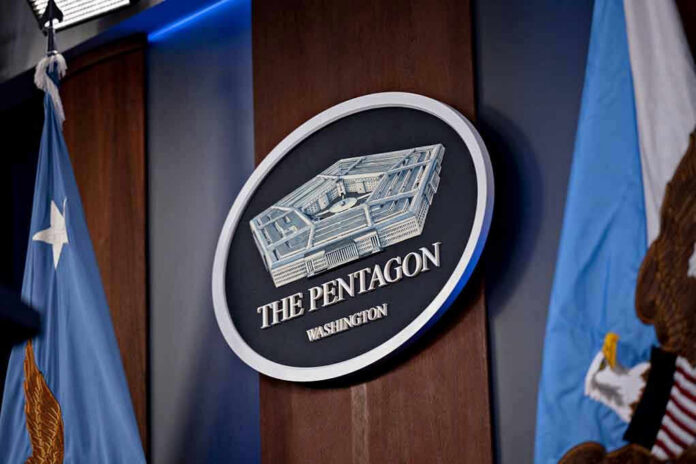
Pentagon spokesman Sean Parnell said Defense Secretary Pete Hegseth recommended death by firing squad for Nidal Hasan and President Trump approved it. Parnell stated that the Secretary of the Army will set the time and place of the execution, which has not yet been announced. The approval signals that the case has cleared the top decision point in the chain of command. The Army will now handle logistics, security, and protocol in line with military justice procedures.
Parnell’s announcement on Monday, October 5, 2026, matched widespread reports published through October 6. Those reports said the method would be a U.S. Army firing squad, not another form of execution. Outlets also reported the same approval chain: recommendation by Hegseth, approval by President Trump, and scheduling by the Army Secretary. The Pentagon’s public messaging presented the move as the implementation phase of a sentence already imposed years earlier.
Case Background and Sentence History
A military jury convicted Hasan in 2013 for the 2009 Fort Hood attack that killed 13 people and wounded more than 30 others. That jury sentenced him to death under the Uniform Code of Military Justice. Reports describe lengthy appeals after the conviction and sentence. The public record now centers on the Pentagon’s confirmation that the sentence will be carried out by firing squad, subject to the Army’s scheduling and operational control. The conviction and death sentence predate the current approval decision by many years.
The announcement underscores how rare military executions are. The last U.S. military execution occurred in 1961. Executions by firing squad in the U.S. military are associated with earlier eras, including World War II and the mid-1940s, making this step unusual in modern times. That rarity does not change the legal standing of Hasan’s sentence. It explains why the method and history drew intense attention when the Pentagon confirmed the plan.
Method, Authority, and What Comes Next
Reports specify firing squad as the approved method. They do not identify the precise statute or regulation that led to selecting that method, but they make clear the Pentagon’s chain of recommendation and presidential approval. The Army Secretary is charged with setting the time and place, and no date or location was included in the public statements. This is standard for security and planning. It also reflects the military’s duty to conduct an execution with strict control and order.
The Pentagon announced that Fort Hood shooter Nidal Hasan will be executed by firing squad (the first U.S. military firing-squad execution since World War II), with Trump’s approval.
— Iran Letest News (@Iran1824) October 6, 2026
For many Americans, this decision reads as long-delayed justice for a deadly attack on U.S. soil by a U.S. Army officer who turned on his own. For service members, families, and Texans who lived with this wound since 2009, the Pentagon’s move signals that the government will enforce a lawful sentence. President Trump’s approval aligns with a firm law-and-order stance and a focus on victims, accountability, and deterrence in the military ranks.
Sources:
cbsnews.com, usnews.com, nampa.org, upi.com, cnn.com, washingtonexaminer.com
© truthandliberty.com 2026. All rights reserved.