China’s leader met Air Force One on the tarmac and hugged President Trump, signaling a sharp protocol departure as great-power stakes rise.
Story Highlights
- President Xi Jinping greeted President Trump on the Shenzhen airport tarmac, including a brief embrace.
- Chinese government reports confirm Xi’s personal airport welcome during Trump’s APEC visit.
- Major outlets called the appearance rare or unprecedented for a Chinese head of state.
- State media framed the gesture as reciprocity for Trump greeting Xi in the United States.
What Happened on the Tarmac in Shenzhen
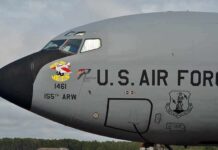
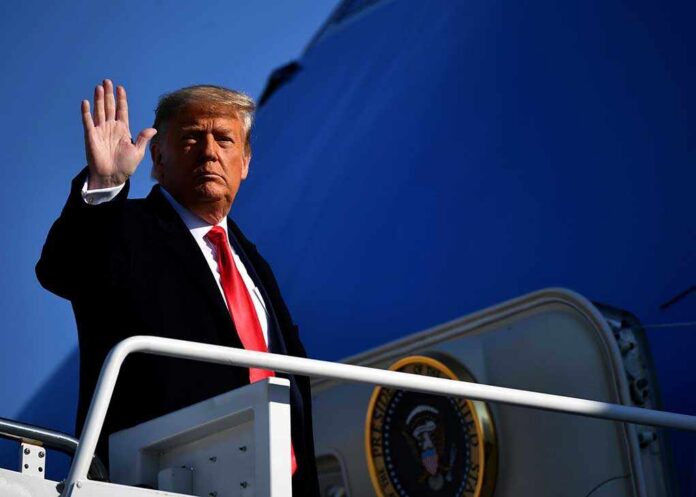
On November 18, Chinese President Xi Jinping met President Trump as Air Force One arrived at Shenzhen Bao’an International Airport. Chinese government accounts say Xi personally welcomed Trump on the tarmac during the trip linked to the Asia-Pacific summit. Footage and reports described a handshake and a brief hug between the leaders as Trump stepped off the aircraft stairs. The Chinese Ministry of Foreign Affairs also documented Xi’s airport welcome in an official release, underscoring the gesture’s formality.
International outlets highlighted how unusual this scene was for China’s leadership protocol. Coverage from a major United States network called the moment “unprecedented,” while a leading British outlet said it was a “rare” move for a sitting Chinese head of state to greet a foreign leader at the airport. Agence France-Presse reported that Xi personally greeted Trump and that the two leaders briefly hugged before departing the tarmac for talks.
Why This Gesture Matters Right Now
The airport meeting took place as President Trump traveled to Shenzhen for the thirty-third Asia-Pacific Economic Cooperation leaders’ meeting. The official Chinese government summary of the visit placed the scene in that summit context, which draws leaders to discuss trade, growth, and security in the region. As global competition grows, highly visible rituals like this can signal openness to dialogue even when both sides disagree on tariffs, technology, and military posture across Asia.
Chinese state media portrayed the greeting as diplomatic reciprocity. Reports said Xi referenced how the United States hosted him and offered a personal welcome during his trip earlier in the year. That framing suggests both sides are trading symbolic gestures to lower tensions while they bargain over tougher issues behind closed doors. Such exchanges can also help each leader claim a win at home: respect on the world stage, a steadier economic outlook, and a chance to shape regional rules.
How to Read the Signal Without the Spin
Ceremony is a tool, not a treaty. Xi’s airport appearance sends a message of respect toward President Trump, but it does not settle disputes on trade, data flows, or military activity. The setting outside a formal Beijing hall allowed quick talks with fewer strings attached. That lighter touch can reduce political cost if talks stall while still offering a photo that suggests progress to both Chinese and American audiences.
Chinese President Xi Jinping went to the airport in Shenzhen himself on Wednesday to greet Donald Trump as he stepped off Air Force One. The two shook hands and hugged on the red carpet.
Xi has never before gone to an airport to receive a visiting US president in his current…
— RV (@__R_V___) November 18, 2026
For Americans who feel leaders spend more time on optics than results, this moment may cut both ways. On one hand, a warm greeting can defuse tension and create space for deals that help jobs, prices, and energy security. On the other, it can look like show over substance if follow-on actions lag. What matters next is whether this public respect turns into private compromises that lower costs and strengthen American industry without handing away leverage.
Sources:
insiderpaper.com, cnn.com, english.www.gov.cn, afp.com, mfa.gov.cn
© truthandliberty.com 2026. All rights reserved.