U.S. prosecutors added a torture-conspiracy charge against Nicolás Maduro and his wife, Cilia Flores, escalating a high-profile case tied to Americans held in Venezuela.
Story Snapshot
- New York prosecutors filed a superseding indictment adding conspiracy to commit torture against Maduro and Flores.
- The case connects to claims that Americans were abused while jailed in Venezuela in recent years.
- The new charge sits on top of prior U.S. drug-trafficking and weapons allegations.
- Human rights reports have long documented torture by Venezuelan security forces under Maduro.
What Prosecutors Filed and Why It Matters
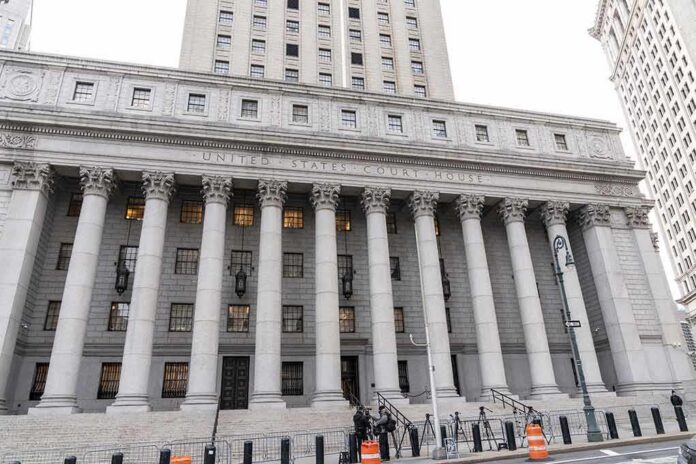
Federal prosecutors in Manhattan filed a superseding indictment that adds a conspiracy-to-commit-torture count against Venezuela’s former leader Nicolás Maduro and his wife, Cilia Flores. The filing builds on earlier U.S. cases that already accused Maduro-linked figures of drug crimes. Prosecutors say the new charge ties the couple to torture carried out against detainees, including Americans, during Maduro’s rule. The move raises legal and diplomatic stakes and signals Washington’s intent to frame alleged abuse as criminal misconduct, not only political repression.
The charge is notable because it targets conduct that allegedly harmed U.S. citizens, which can expand legal tools and pressure in court and in talks. A superseding indictment lets prosecutors add facts and counts as an investigation grows. Here, they point to a pattern of detention abuse that outside reporting and rights monitors have described for years. The step also shows the Department of Justice is willing to treat state-linked torture as a prosecutable crime with real penalties, not just a diplomatic issue.
Links to Earlier U.S. Cases Against Maduro
Before this filing, U.S. cases tied Maduro and allies to drug trafficking and weapons offenses that centered on moving cocaine into the United States. The new torture-conspiracy count does not replace those earlier claims; it sits beside them and broadens the picture of alleged wrongdoing. Stacking counts can increase leverage and potential sentences if a jury convicts. It can also help prosecutors tell a fuller story about how a regime kept power through violence and fear, and how that harmed Americans.
Reporters have described how this legal approach can freeze assets, shape diplomacy, and brand a foreign leader’s rule as criminal, not only authoritarian. That framing can matter in talks over sanctions, prisoner swaps, and any path to political change in Venezuela. It also warns other officials who may consider similar acts that the United States can reach across borders in certain cases. At the same time, each charge will still need to be proven in court under standard rules of evidence.
What We Know About Alleged Abuse in Venezuela
The U.S. State Department has reported credible accounts that Venezuelan security forces tortured and abused detainees during the Maduro years. Those reports describe beatings, electric shocks, stress positions, and other cruel treatment. Prosecutors now argue that Maduro and Flores conspired in a system that used such methods to keep control, and that Americans swept into that system suffered as well. These claims, if proven, would tie top leaders to human rights crimes that go beyond political oppression.
🇺🇸🇻🇪 The Justice Department unsealed a superseding indictment charging Nicolás Maduro and his wife, Cilia Flores, with conspiracy to commit torture.
They have been held at Brooklyn’s Metropolitan Detention Center since U.S. forces took them from their Caracas compound on January… https://t.co/0NO5AV0GYU
— John Nelson (@WIgeopolitical) October 8, 2026
Human rights records matter here because they supply a factual backdrop for the new count. While an indictment is only an allegation, the documented pattern gives the charge context that many readers understand. For families of detained Americans, the case is not abstract. It is about real people who say they were hurt in dark rooms with no lawyer, no sunlight, and no due process. The court process will test those claims and, if sustained, assign clear legal blame.
How This Fits America’s Broader Debate
American readers across the political map worry that global elites abuse power while regular people pay the price. This case speaks to that fear. Prosecutors say a ruling circle in Caracas mistreated detainees, including Americans, to protect its grip on power. For conservatives, the case underscores the cost of weak borders and failed foreign policy that leave citizens trapped abroad. For liberals, it highlights human rights and the need to defend vulnerable people from state violence.
Washington’s message is that torture is not only a moral wrong; it is a crime that can follow leaders beyond their borders. That message can restore some faith that law still matters when power is misused. Yet the government must also deliver results at home. Americans want a justice system that is even-handed, not selective. If this case proceeds with clear facts and fair process, it can show that the United States still has the will to hold the powerful to account, wherever they operate.
Sources:
insiderpaper.com, houstonchronicle.com, cbsnews.com, congress.gov, ibtimes.sg, huffpost.com
© truthandliberty.com 2026. All rights reserved.