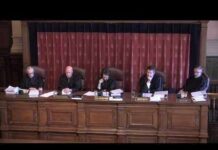
Local court records show prosecutors say Rodney Hinton Jr. intentionally used his car to kill Deputy Larry Henderson after viewing video of his son’s police shooting the same morning, while a judge later removed the death penalty because of Hinton’s serious mental illness finding.
Story Snapshot
- Prosecutors charge Hinton with aggravated murder, alleging a deliberate vehicular strike.
- Deputy Henderson was directing traffic near a university commencement when he was killed.
- A judge ruled Hinton has a qualifying serious mental illness, taking death penalty off the table.
- The case heads to trial with intent and mental state at the center of the dispute.
What Prosecutors Say Happened
Prosecutors allege Hinton lined up his car and accelerated on purpose, killing Deputy Larry Henderson. They charged him with aggravated murder, murder, and felonious assault, signaling an intent-based case, not an accident theory. They point to a timeline: Hinton viewed body-camera video of his son’s fatal police shooting that morning, then the deadly collision happened around midday. They say that sequence supports a motive and deliberate act, not a momentary lapse.
Deputy Henderson was working a traffic detail near the University of Cincinnati’s commencement when he was struck. That detail matters because it places Henderson as a public officer serving motorists and pedestrians, not as a party to the earlier police shooting. Local coverage later continued to describe the death as caused by an intentional vehicle strike, underscoring how the state framed the case as a targeted act over many months.
The Defense Focus on Mental Illness
Defense filings and hearings center on Hinton’s mental health. Judges and experts found a serious mental illness, including bipolar disorder, that affected his judgment around the time of the crash. That ruling removed the possibility of a death sentence under Ohio law, but it did not dismiss the murder charges. The trial will test whether his mental state erased legal intent or only explains his distress, which is a harder legal standard to meet.
Commentary and some reports describe Hinton as overwhelmed after seeing video of his son’s death. A forensic psychologist testified that bipolar disorder impaired his decision-making, which the defense says shaped his actions that day. The law draws a line between human explanation and legal insanity. Jurors will have to decide if his illness prevented him from forming intent, or if he still chose to act despite that struggle.
What We Still Do Not Know
Public records and coverage have not disclosed crash reconstruction details like speed, braking, steering, or vehicle data. The reporting also has not cited named eyewitness testimony that directly describes steering at the deputy in the seconds before impact. Those facts often decide intent in vehicle-as-weapon cases. Without them in view yet, the trial record will carry special weight in telling the full story.
Rodney Hinton Jr. is scheduled to stand trial for aggravated murder on October 5, 2026, for allegedly using his vehicle to strike a police officer after watching bodycam footage of his 18 year old son being fatally shot by police‼️🧐 pic.twitter.com/o55ZYGSciX
— Sarrah Bellus (@sarrah_bellus) September 9, 2026
Meanwhile, the timeline and the site of the crash shape public views. The link to his son’s shooting pulls sympathy and anger into the debate. The location at a graduation traffic post highlights a deputy serving the public. Many readers on both left and right see a system that fails families and officers alike. This case brings that fear into one frame: grief, duty, mental health, and whether the justice system can separate them while still finding truth.
Why This Case Taps Wider Frustration
People across politics worry that institutions bend to pressure, go slow on facts, and let narratives run ahead of evidence. In this case, strong claims about intent face gaps in public forensic detail. Mental illness findings removed the death penalty, which some read as mercy and others as weakness. The trial will test if the system can weigh pain and duty without favor, and ground its verdict in facts that the public can see and accept.
Sources:
dayton247now.com, wcpo.com, spectrumlocalnews.com, lawcommentary.com, cincinnati.com
© truthandliberty.com 2026. All rights reserved.