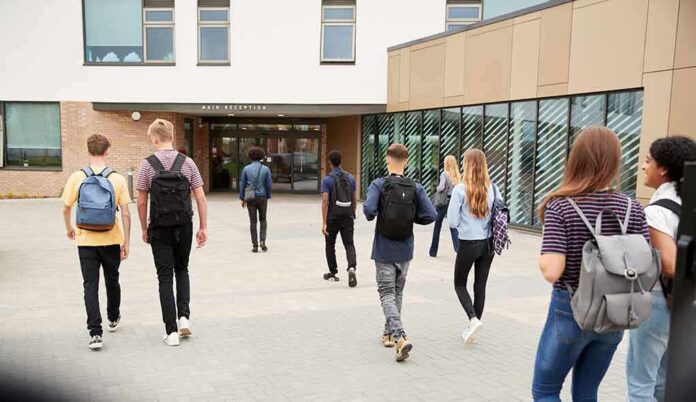
New York City will place a school avoidance liaison in every public school to tackle chronic absenteeism head-on starting this fall.
Story Snapshot
- Every school must name a trained school avoidance liaison who works in the building full time.
- The liaison sits on the school’s attendance committee and leads family outreach and supports.
- The shift follows new systemwide guidance shaped by a legal agreement.
- The plan targets school refusal tied to anxiety, depression, and other barriers, not just truancy.
What The New Rule Actually Requires
New York City Public Schools updated its attendance regulation to require each school to designate a school avoidance liaison. The regulation says the liaison must be a teacher, school administrator, guidance counselor, or social worker who already works at the school full time. The role serves as the school-based point for school avoidance issues, joins the attendance committee, and must receive specific training on school avoidance strategies. Chalkbeat reported the city-wide mandate begins in September.
The city framed the move as a targeted fix for chronic absenteeism linked to mental health and disability barriers. Reporting describes liaisons working with families, tracking patterns, and coordinating supports rather than issuing punishments. Outlets note the role is part of new system guidance created under a legal agreement that aimed to close gaps in how schools respond to students who fear or avoid school. The focus is early identification, steady outreach, and better handoffs to services.
Why Attendance Became An All-Hands Problem
Chronic absenteeism surged after the pandemic and has remained high in many cities. New York City coverage places a spotlight on students who miss school due to anxiety, depression, or other social and emotional hurdles. The new liaison requirement reflects a broader national trend: districts now rely on tiered supports, not only truancy letters. Research reviews back a stack of tactics that yield small but real gains, such as consistent family messaging, home visits, and mentoring with clear attendance goals.
Policy watchers should temper expectations. The best evidence shows most attendance interventions move the needle, but by inches, not miles. A meta-analysis of attendance programs found small average effects across controlled studies, which still matter when applied at system scale. Targeted approaches that engage parents and reduce barriers show promise as part of a package, including personalized messages that cut absences modestly and outreach that links families to supports they accept and use.
How The Liaison Role Will Work In Schools
Schools must fold the liaison into the existing attendance committee so the work does not sit on an island. That design pushes routine data reviews, earlier flags for school refusal, and faster outreach to families. The liaison’s day-to-day list is practical: call home, meet the student, coordinate with teachers and counselors, and connect families to mental health care or community help when needed. The regulation’s requirement that the liaison be a full-time, in-building educator or clinician aims to keep the role close to the student experience.
The legal agreement that triggered the systemwide guidance adds guardrails. It defines expectations for schools so responses are consistent rather than ad hoc. That includes training, documentation, and a clear path for supports. Reports suggest the city wants less confusion over when to involve external agencies and more emphasis on school-based steps first. That approach aligns with both evidence and common sense: build trust with families, fix barriers, and measure attendance week by week.
What Success Looks Like This Year
Principals should judge progress by simple markers. Do staff make earlier contact after the first few absences? Do students return faster after breaks in attendance? Do families report clear points of contact and fewer mixed messages? If the liaison system works, schools should see more on-time returns from students with anxiety or school refusal, fewer cold handoffs, and steadier classroom presence. Gains may be modest, but steady wins here compound across a year.
Parents will notice a shift from threats to teamwork. The liaison will call sooner, listen longer, and offer options that fit the student’s needs. That does not excuse missed days. It makes the path back to class clearer and shorter. From a conservative lens, this pairs accountability with practicality: get kids in school, use the people closest to them, and track results. The goal is not a headline. The goal is a seat filled tomorrow and again the day after.
Sources:
nypost.com, note.com, chalkbeat.org, efinstitute.org, ccf.ny.gov, dpi.nc.gov, ies.ed.gov, pmc.ncbi.nlm.nih.gov
© truthandliberty.com 2026. All rights reserved.