When a single logo change can help topple a chief executive at a 55-year-old restaurant chain, it exposes just how fragile trust in American institutions has become.
Story Snapshot
- Cracker Barrel CEO Julie Felss Masino is stepping down after a failed modernization push and intense backlash.
- The rebrand removed classic imagery and décor that many loyal customers saw as part of their identity, not just design.
- Conservative critics, including President Trump, turned the logo fight into a national proxy battle over “wokeness.”
- The board’s choice of veteran restaurant executive David Deno signals change at the top, but not clear answers on who elites really listen to.
CEO exit after backlash over “modernization” push
Cracker Barrel announced that Chief Executive Officer Julie Felss Masino will step down as chief executive and board member, effective August 10, after less than three years in the role. The company said longtime restaurant executive David Deno, former head of Bloomin’ Brands, will take over as chief executive on that date. Her exit follows a year of turmoil after a sweeping modernization plan that many critics branded as a “woke” rebrand clashed with the chain’s nostalgic image.
Masino’s overhaul went far beyond a fresh coat of paint. Reporting says she pushed a comprehensive reset that updated the logo, stripped vintage collectibles from wood-paneled walls, opened up dining rooms, and shifted menus as part of a roughly $700 million remodel-and-rebrand plan across more than 660 locations. Internally, the goal was to attract younger diners and improve the guest experience, but the rollout hit a nerve with regulars who had long treated the restaurants as living museums of small-town Americana.
How a logo change turned into a culture war flashpoint
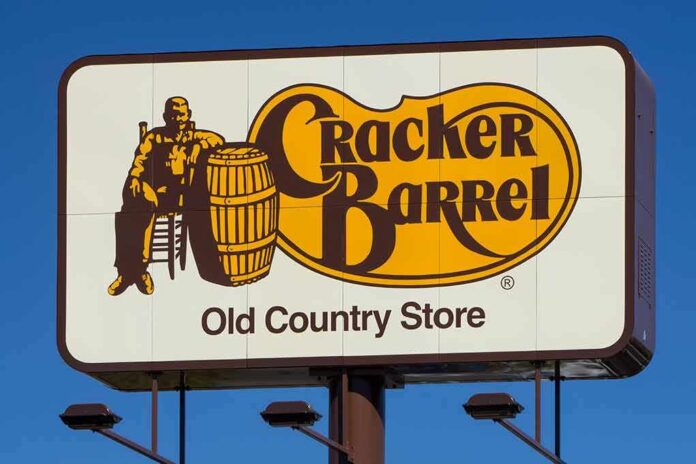
The flashpoint was the company’s decision to simplify its logo by dropping the long‑time mascot: a man in overalls leaning on a barrel with the words “Old Country Store.” Customers flooded social media with complaints that the new look felt generic and erased the brand’s country heritage. Within about a week, Cracker Barrel reversed course, restored the old logo, and halted restaurant remodels, telling guests “Your Old Country Store is Here to Stay” and admitting the change “did not resonate.”
Conservative commentators quickly framed the redesign as proof that another beloved institution was going “woke,” accusing the chain of chasing elite approval at the expense of its base. President Trump publicly mocked the changes and weighed in on how the company should be run, turning a marketing decision into a national culture‑war event. Activist investor Sardar Biglari threatened a proxy fight to oust Masino, adding financial pressure to the political firestorm and sharpening the sense that corporate leaders answer more to Wall Street than to diners.
Shareholders kept her, customers “fired” her, and now the board has moved on
Despite the uproar, shareholders voted last year to keep Masino as chief executive and on the board, even as they ousted diversity-focused director Gilbert Dávila, sending a mixed message about who they blamed. One report said about three‑quarters of shares backed her in that vote, even as the company warned that lost traffic from the fiasco would weigh on results for years. Masino later said she felt “fired by America,” describing how the public backlash cut deeper than the official board decision.
The financial hit was real enough to focus investor anger. One analysis said Cracker Barrel’s stock dropped $94 in a single day at the height of the controversy, and the company talked about “hundreds of millions” in value wiped out. Management halted remodels and leaned into a full rollback, but the story stuck: a heritage brand had tried to reinvent itself and instead became a warning to other companies that misread the emotional weight of their own symbols. That backdrop set the stage for the board’s eventual decision to bring in a new chief executive.
What this fight reveals about power, identity, and the “deep state” feeling
For many people on the right, the Cracker Barrel episode looks like one more example of a distant corporate class forcing change on everyday America, then retreating only when the outcry threatens profits. Critics see a familiar pattern: erase the old imagery, rebrand it as progress, and ignore the people who built their lives and memories around it until the numbers turn red. The “woke rebrand” label stuck because it tapped into a broader fatigue with cultural experiments run from the top down.
Cracker Barrel CEO Julie Masino steps down following criticism from consumers over the restaurant’s "modernization" push.
— Boston Avionics (@bostonavionics) July 27, 2026
For many on the left, the story is also frustrating, but for different reasons. They see a chief executive trying to update a struggling chain, then being forced into a public walk‑back by online mobs and political attacks, with little open debate about long‑term strategy or worker pay. Both sides end up watching the same thing: a board and top investors making the real calls behind closed doors. The logo is loud, but the power structure stays quiet.
Sources:
facebook.com, nypost.com, wsj.com, independent.co.uk, dailymail.com, abcnews.com, finance.yahoo.com, foxbusiness.com, newsweek.com, apnews.com, people.com
© truthandliberty.com 2026. All rights reserved.