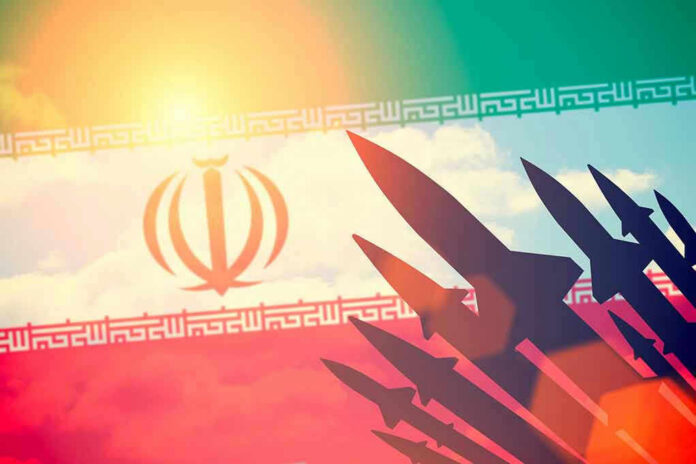
After President Trump said the ceasefire was “over,” U.S. forces hit dozens of Iranian targets tied to attacks on civilian shipping in the Strait of Hormuz.
Story Highlights
- U.S. Central Command said Iran attacked three commercial vessels, breaking a ceasefire, prompting strikes on military targets.
- Strikes focused on air defenses, radar, anti-ship missile sites, and small boats used by Iran’s Islamic Revolutionary Guard Corps.
- The Treasury Department moved to choke Iran’s oil money by revoking a key waiver.
- Iran denied blame, but offered no independent proof to counter U.S. claims.
U.S. Says Iran Hit Civilian Ships, Ceasefire Broken
U.S. Central Command said Iranian forces attacked three commercial vessels in the Strait of Hormuz over two days, violating a ceasefire and endangering crews in international waters. Command leaders called the aggression unwarranted and dangerous, and they said the United States would impose heavy costs on those who target civilian shipping. The narrow waterway moves a large share of the world’s oil, so any hit to safe passage risks higher prices and supply shocks for American families and small businesses that already feel squeezed.
Two U.S. officials told a major network that Iran’s Islamic Revolutionary Guard Corps carried out the tanker attacks, adding important detail on timing and scale. The military response came quickly. Leaders framed it as necessary to protect freedom of navigation, a core principle that keeps trade moving and deters bullies at sea. The claim of a broken ceasefire sets a clear red line. When that line was crossed, the United States answered with force that targeted the tools Iran uses to threaten ships and crews.
Precision Strikes Hit Iranian Military Capabilities
Central Command said the strikes focused on networks that make shipping attacks possible. Targets included air defense systems, radar sites, anti-ship missile batteries, and dozens of small boats tied to the Islamic Revolutionary Guard Corps. Hitting radar, missiles, and fast boats reduces Iran’s ability to stalk tankers and launch quick ambushes in tight waters. The goal is simple and sober: make the next attack harder to plan, riskier to attempt, and costlier to Iran’s regime if they try it again.
Economic pressure moved in step with the military action. The Treasury Department revoked a waiver that let Iran sell oil and petrochemicals, citing conduct that officials called wholly unacceptable. Cutting off that cash strikes the regime where it funds drones, missiles, and proxy forces. A combined military and financial squeeze signals that the United States will not reward coercion in key sea lanes. It also shows an approach that seeks to avoid a wider war while restoring real deterrence.
Iran’s Denial and The Evidence Gap
Iran denied responsibility for the ship attacks, and state media framed later actions as a response to U.S. moves. But Tehran did not provide named witnesses, ship logs, radar data, or debris analysis to back its denial in the sources we have. U.S. statements form most of the public record so far. There is no independent verification from neutral maritime bodies in the material provided. That limits outside confirmation, but it does not erase clear U.S. claims of risk to civilian sailors.
This pattern fits a long history in the Strait of Hormuz. The waterway has seen repeated flare-ups where Iran tests limits and the United States defends free passage. Analysts have traced similar cycles for decades, often with few third-party eyes on the scene in real time. That is why U.S. deterrence matters. When rogue actors sense weakness, they push. When the United States responds with targeted strength, shipping lanes tend to steady, and the cost of mischief goes up fast for those who would menace civilian crews.
Why This Matters For American Families
Every tanker threatened in the Strait of Hormuz risks higher gas and heating costs at home. Every drone or missile fired at a cargo ship endangers workers who keep the lights on and factories running. The Trump administration’s response ties military targets to economic pressure to defend both American pocketbooks and the principle that the sea is not a toll road for tyrants. That approach rejects globalist appeasement and demands accountability for those who endanger civilians and trade.
The facts we have show a clear U.S. claim, a focused strike package, and a financial clamp on Iran’s oil cash flow. The open gaps—like the absence of neutral verification in the provided sources—deserve follow-up, but they do not change the stakes for sailors and shippers today. The United States acted to restore deterrence and protect freedom of navigation. That protects American jobs, secures our supply chain, and reminds adversaries that attacking civilians carries swift and certain costs.
Sources:
cbsnews.com, youtube.com, facebook.com
© truthandliberty.com 2026. All rights reserved.