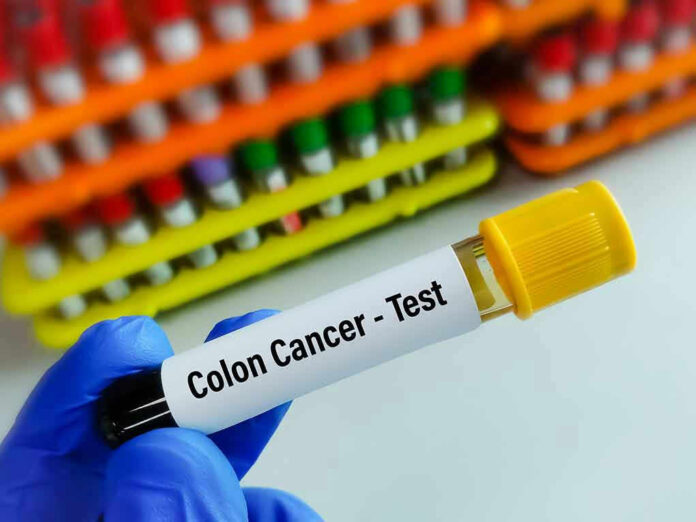
Colorectal cancer is surging among those under 50, shaking the foundations of traditional cancer paradigms.
Story Highlights
- Colorectal cancer rates are rising in people under 50.
- The trend defies decades of declining incidence in older adults.
- Many young patients lack traditional risk factors.
- Screening guidelines now recommend starting at age 45.
Colorectal Cancer Trends in Younger Adults
Colorectal cancer, once deemed an ailment of the aging, now increasingly afflicts younger adults. For decades, cancer rates among older populations have declined due to enhanced screening and lifestyle changes. However, since the 1990s, a troubling rise in early-onset colorectal cancer (CRC) has confounded experts. By 2019, 20% of CRC diagnoses occurred in individuals under 55, a significant increase from 11% in 1995.
In response to these alarming statistics, screening guidelines have been adjusted to advocate beginning at age 45, down from 50. This shift underscores a growing recognition of the need for early detection in younger populations, who often present with advanced stages of the disease due to delayed diagnosis. Despite these changes, the specific causes behind this rise remain elusive, with many young patients lacking traditional risk factors or family histories.
Factors Under Investigation
The medical community is diligently investigating potential causes for this trend. While lifestyle factors such as diet, obesity, and smoking have been implicated, these do not fully account for the increase in cases among otherwise healthy young adults. Researchers are exploring environmental exposures, changes in the gut microbiome, and other unidentified biological factors that might contribute to this rise.
Some experts suggest that generational shifts in lifestyle and exposures could be playing a role. For instance, increased consumption of ultra-processed foods and sedentary lifestyles might contribute to rising cancer incidence. However, without concrete evidence, these remain hypotheses. The lack of clarity about the causes has spurred calls for more research and awareness among both healthcare providers and the general public.
Implications for Public Health Policy
The increase in early-onset CRC presents significant challenges for public health policy. The healthcare system must adapt to address the needs of a younger, often working-age population dealing with cancer. This trend has economic implications, increasing healthcare costs and affecting workplace productivity. Moreover, families are burdened with emotional and financial stress due to unexpected cancer diagnoses.
I'm going to suspect too much ultra-processed foods, maybe GMO foods, and/or a lack of sunlight. https://t.co/xnVEheyqkb
— Chuck (@RouletteRun) July 30, 2025
Policymakers face pressure to fund research and expand access to screening for younger demographics. Insurance providers, too, must adjust coverage to accommodate this shift. As the trend continues, the healthcare industry must evolve to provide adequate support and resources for early detection and treatment in younger adults.
Sources:
CINJ Insights: Growing Incidence of Colorectal Cancer in Young Adults
Colorectal Cancer Facts and Statistics
Clinicians Struggle to Understand Dramatic Rise in Early-Onset Colorectal Cancer
NCCRT: CRC News January 16, 2025