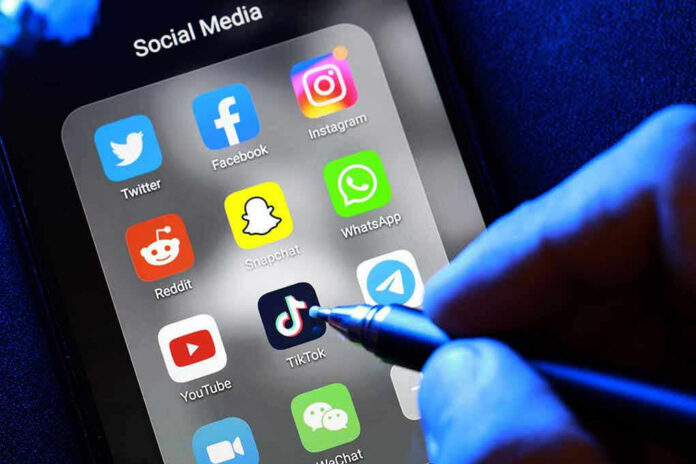
Russia just flipped the kill switch on WhatsApp and YouTube while strangling Telegram, forcing 100 million users toward a state-controlled surveillance app that even the Kremlin’s own supporters can’t escape.
Story Snapshot
- Russia fully blocked WhatsApp and YouTube on February 11, 2026, using DNS removal after months of graduated restrictions starting in August 2025.
- Telegram throttling began February 9, confirmed by regulators February 10, degrading media and voice messaging to force migration to Max, the state-backed “super-app.”
- The phased approach targets 93-100 million users, affecting ordinary Russians and even pro-government Telegram channels ahead of 2026 elections.
- Pavel Durov accused the Kremlin of pushing surveillance and censorship, while Dmitry Peskov defended the blocks as necessary for legal compliance.
- Experts warn this graduated model differs from past failures like the 2018 Telegram ban and offers a blueprint for authoritarian regimes worldwide.
The Slow-Motion Stranglehold on Digital Freedom
Russia didn’t slam the door overnight. The country spent six months methodically dismantling access to Western communication platforms. Voice and video calls vanished from WhatsApp and Telegram in August 2025. By October, new user registrations disappeared and traffic throttling began. December brought connection failure rates above 90 percent for WhatsApp users, with Apple FaceTime and Snapchat joining the blacklist. February 11 marked the final blow when Roskomnadzor, Russia’s internet regulator, erased WhatsApp and YouTube domains from the national DNS system entirely.
This technical escalation represents a qualitative shift from blunt censorship to surgical precision. Unlike Iran’s complete internet shutdowns or Russia’s own failed 2018 attempt to ban Telegram outright, this graduated restriction model proved devastatingly effective. The state tested the approach regionally throughout 2024 and 2025 in places like the Far East, Dagestan, and Volgograd before rolling it out nationwide. DNS tampering at mass scale had never been deployed this way before, creating what activists describe as an escalating digital wall rather than an iron curtain dropped all at once.
The Telegram Betrayal Nobody Saw Coming
Telegram founder Pavel Durov thought he had navigated Russian politics successfully. His platform, used by government supporters and opposition alike, seemed untouchable compared to Western apps. That illusion shattered February 9 when users began reporting crippled media sharing and voice messaging. Roskomnadzor confirmed the throttling February 10, citing failure to combat fraud and protect user data. Durov responded immediately, condemning the move as a transparent attempt to force Russians onto Max, a surveillance-enabled state alternative integrated with the VK social network.
The timing shocked observers like activist and lawyer Sarkis Darbinyan, who noted the restrictions damaged pro-government channels relying on Telegram for their audiences. This collateral damage exposes the Kremlin’s priorities: total information control before the 2026 State Duma elections matters more than convenience for regime loyalists. Kremlin spokesman Dmitry Peskov dismissed concerns February 12, promoting Max as a convenient alternative while ignoring its built-in surveillance architecture authorized by 2019 laws requiring ISPs to install monitoring hardware.
Digital Sovereignty Meets Authoritarian Overreach
Russia frames these restrictions through the lens of digital sovereignty, accelerating a campaign that began after the 2022 Ukraine invasion with Instagram and Facebook bans. The stated justifications center on anti-fraud measures and data protection compliance, but the pattern reveals something darker. Signal and Discord disappeared in 2024. WhatsApp, Telegram, and YouTube represented the last major Western platforms offering encrypted, unmonitored communication. With their effective elimination, Russians face a binary choice: adopt VPNs that the state actively targets or migrate to Max.
Analysts like Epifanova emphasize this affects all Russians, not just political dissidents or liberals. Families lose international connections. Businesses face migration costs and operational disruptions. Civil society organizations struggle to coordinate. The economic ripple effects benefit only VK and Max developers, who enjoy Kremlin backing and a captive market of users herded toward their products. This isn’t just censorship; it’s forced adoption of infrastructure designed for comprehensive surveillance, marketed as patriotic duty and legal necessity.
The Global Template for Digital Isolation
Russia’s graduated approach offers authoritarian regimes worldwide a replicable playbook. Unlike Iran’s sledgehammer shutdowns that spark immediate international condemnation and internal chaos, the phased model allows governments to boil the frog slowly. August restrictions on calls seem reasonable. October throttling gets justified as technical issues. By February, full DNS blocks appear as the inevitable conclusion of legal non-compliance rather than arbitrary censorship. This incrementalism reduces resistance at each stage while achieving the same totalitarian endpoint.
The long-term implications stretch beyond Russia’s borders. Internet fragmentation along geopolitical lines accelerates as countries choose between Western platforms with privacy protections and state-controlled alternatives with surveillance baked in. The VPN industry booms while governments develop countermeasures. Independent media loses accessible distribution channels. The global internet, once imagined as a unifying force, splinters into incompatible ecosystems where communication across political boundaries becomes increasingly difficult. Russia’s 100 million affected users represent a preview of what authoritarian digital sovereignty looks like at scale.
When the Super-App Falters
Max faces a legitimacy crisis even as the Kremlin forces adoption. Reports suggest the app suffers technical issues and user resistance. Public sector workers and educators face compulsion to switch, but voluntary migration remains speculative. The state can block WhatsApp, but it cannot manufacture genuine user preference for an inferior product tainted by surveillance associations. Durov’s accusations about Max being a censorship and monitoring tool resonate because they align with observable reality: laws requiring backdoor access, state ownership of the development company, and timing that coincides with election cycles.
The fundamental tension remains unresolved. Russians want reliable, private communication with international reach. Max offers none of those qualities. VPNs provide workarounds, but the state’s demonstrated willingness to escalate restrictions suggests those lifelines face eventual targeting. What happens when forced migration meets mass non-compliance? The Kremlin’s 2018 Telegram ban failed after two years of futile enforcement. This time, DNS tampering and graduated restrictions prove more effective, but they also create more comprehensive alienation. Every throttled message and blocked connection reminds users that their government prioritizes control over their basic need to communicate freely.
Sources:
Russia’s WhatsApp Ban: Digital Sovereignty and the Splintering of the Global Internet
Russian Internet Regulator Throttling Telegram
Max Cometh: What The Blocking Of WhatsApp, Telegram Means For Russia
As Kremlin Throttles Telegram, Russians Stand to Lose More Than Just Messaging
Russia is Cracking Down on WhatsApp and Telegram: Here’s What We Know