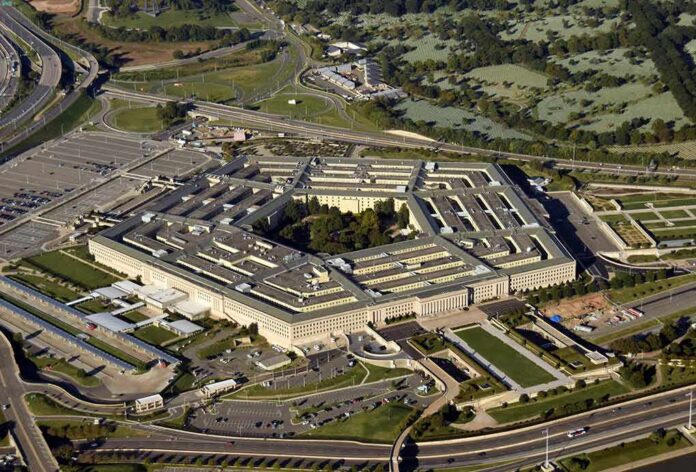
Defense Secretary Pete Hegseth removed the Pentagon’s top military planner, Lieutenant General Brett Sylvia, without naming a replacement during a tense period of Iran decision-making.
Story Highlights
- Lieutenant General Brett Sylvia was removed as the Joint Staff’s director for Strategy, Plans and Policy (J-5).
- Multiple outlets reported no immediate successor to lead the planning office.
- Reports differ on why Sylvia was ousted; officials did not provide a public reason.
- The move follows a wider pattern of senior turnover at the Pentagon under Hegseth.
What Happened: The Pentagon’s Chief Planner Was Removed
Defense Secretary Pete Hegseth removed Lieutenant General Brett Sylvia from his role leading the Joint Staff’s Strategy, Plans and Policy directorate, known as J-5, during the week of October 26–29, 2026. The Associated Press and Cable News Network both confirmed the departure through Pentagon and Joint Chiefs sources. The J-5 guides long-range military planning and policy options for the Chairman of the Joint Chiefs of Staff and national leaders, making it a key node for strategy and crisis planning.
News outlets reported that no immediate replacement was named to run the J-5 office. The Associated Press said there was no successor yet. Cable News Network likewise reported it was unclear who would assume duties, and CNBC noted no replacement had been identified. CNBC, citing ABC News, and United Press International reported that Sylvia retired following his removal, placing his departure from the post within a possible end to his active Army service.
Why It Matters: Strategy Shop In Transition Amid Iran Choices
The timing drew attention because it overlapped with reporting that President Trump was weighing renewed military options against Iran. The Associated Press, Cable News Network, and CNBC discussed the removal alongside the Iran decision window, which raised questions about continuity in planning during a sensitive period. The J-5 helps frame military options and policy recommendations for senior leaders. That function supports clear advice to the President when choices carry high risk and global impact.
Public reporting did not provide an official reason for Sylvia’s removal. Accounts offered differing explanations from unnamed officials, including a loss of confidence, interpersonal friction, or alleged leaks, but none cited a formal public record. CBS News relayed a claim from an anonymous Pentagon official about leak allegations and polygraph failures, and said the matter was referred to the Department of Justice, but no charging documents were identified in that reporting.
The Bigger Picture: A Pattern of Senior Turnover Under Hegseth
Sylvia’s exit fits a larger trend reported during Hegseth’s tenure: a high rate of senior departures and reassignments. The Atlantic framed the move as part of repeated changes to top brass, though the reasons in individual cases appear to vary and are not always public. Turnover alone does not prove wrongdoing. It can reflect leadership style, changing priorities, or normal rotation. Still, fast personnel shifts in key posts feed public concern about stability and politicization across the national security system.
I asked Google AI why this matter was not referred for Military Tribunal under the U.C.M.J. and to the DoJ instead. What I learned may be interesting to some of you.
Army Lieutenant General Brett Sylvia was fired from his post as the Joint Staff’s top military planner (J5) by… https://t.co/WLVf2xh3yV
— Renee' Springer – (@SpringerRC24720) October 29, 2026
For citizens watching Washington from both the right and the left, the through-line is familiar. People see powerful insiders making big moves with thin explanations. Conservatives worry about entrenched bureaucrats resisting elected leaders. Liberals worry about purges that chill dissenting advice. Both sides fear that vital jobs may become political spoils. Transparent, on-the-record reasons and clear continuity plans would help rebuild confidence that strategy and war planning serve the country, not factions within it.
What to Watch Next: Continuity, Accountability, and Advice
Watch for the Joint Staff to identify an acting J-5 and outline how planning cycles will remain on track. Look for any official documents or statements that clarify who authorized the move and why. Track whether the Department of Justice or the Pentagon’s inspectors take further action on the alleged leak matter described by CBS News, or whether the case remains internal and unresolved in public view. Finally, monitor whether the administration explains how senior advice will be protected during future Iran decisions.
Sources:
realcleardefense.com, theatlantic.com, cnbc.com, cbsnews.com, apnews.com, yahoo.com, rawstory.com
© truthandliberty.com 2026. All rights reserved.