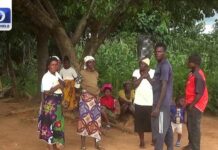
Nigeria’s security forces have freed 308 kidnapped people in a single operation, and the government says it was the country’s biggest same-day rescue yet.
Quick Take
- Officials said the rescue covered people taken in separate attacks in Kwara and Niger states.
- The presidency said 163 of those freed came from Woro community in Kwara State and 145 from Niger State.
- The victims were reported to have been found in the Kainji Lake National Park forest and were sent for medical care.
- No public report in the package gives a full after-action account, arrest log, or casualty count.
What the Government Says Happened
Reuters, the Associated Press wire carried by ABC News, and Al Jazeera all reported the same core claim: Nigerian security forces rescued 308 abducted people in northern Nigeria. The presidency said 163 were abducted from Woro community in Kwara State and 145 from Niger State. The government described the operation as intelligence-led and coordinated by the armed forces, police, and the Department of State Services.
The same reports say the victims were freed from the Kainji Lake National Park forest in Niger State and taken for medical attention. RT said the rescued people were receiving treatment at Wawa Cantonment before transfer to their home states, while ABC News said the statement did not disclose full operational details. That leaves the broad rescue confirmed, but the public record still thin on the exact sequence of the operation.
Why the Rescue Matters
This case fits a familiar Nigerian pattern. Large hostage releases are often announced first by the presidency or the military, then repeated by wire services and state-linked outlets. Reuters has reported similar rescues before, including the freeing of 360 hostages in Borno State after an intelligence-led operation earlier this year. The new rescue is larger in one day, but it also shows how quickly official claims can define the public story before fuller documentation appears.
For families, the immediate issue is survival and reunion. For the state, the event is a public test of control in regions where armed groups and kidnappers still move through remote terrain. The rescue also matters because it involved several agencies at once, which suggests a more coordinated response than many past operations. Still, the package does not show whether any suspects were arrested or whether the operation caused casualties among the rescuers or captors.
What Remains Unclear
The strongest public evidence supports the rescue itself, not every detail around it. The sources do not include an after-action report, victim registry, or independent field audit. One Reuters report says the presidency did not say whether any suspects were apprehended. That means the main facts are solid, but the public cannot yet judge the full size of the security win, the cost of the mission, or whether all missing people were accounted for.
ONSA-COORDINATED JOINT SECURITY OPERATION RESCUES 308 KIDNAP VICTIMS IN KWARA, NIGER🔥
In one of the largest coordinated hostage rescue operations in recent months, a joint security mission coordinated by the Office of the National Security Adviser (ONSA) has rescued 308… pic.twitter.com/RPArpmyZV9
— 𝒀𝑨𝑺𝑺𝑬𝑹 𝑨𝑺𝑬𝑲𝑶𝑴𝑬 𝑮𝑨𝑹𝑩𝑨, PGD, MLSCM (@SAsekome) August 7, 2026
The broader message is bigger than one operation. Nigerians across political lines have grown used to headlines about mass kidnappings, public promises, and incomplete follow-through. This rescue offers a rare success story, but it also exposes a deeper problem: the country still depends on official statements to learn what happened in hard-to-reach places. In that sense, the event is both a relief and a reminder of how limited public visibility remains.
Sources:
facebook.com, theguardian.com, rt.com, aljazeera.com, reuters.com
© truthandliberty.com 2026. All rights reserved.