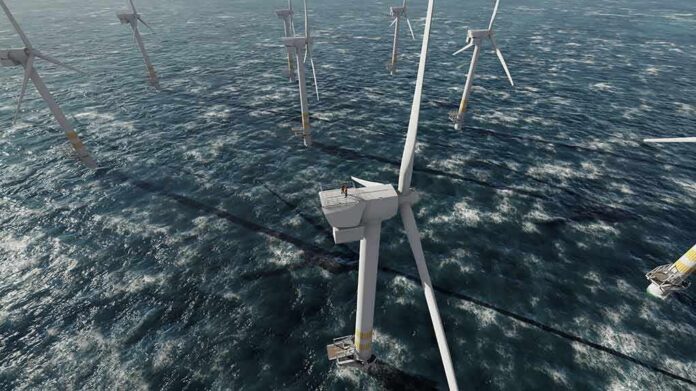
President Trump’s administration is now paying companies to walk away from offshore wind, and the latest deal pushed the total to about $4 billion.
Quick Take
- RWE will receive **$1.22 billion** to surrender three offshore wind leases off New York, California, and Louisiana.
- The administration says offshore wind is too costly and unreliable, and it frames the payouts as common-sense policy.
- This is the fifth deal this year, showing a broader campaign against offshore wind, not a one-off move.
- Seven states have already sued over an earlier cancellation deal, raising legal and public-spending questions.
RWE Deal Expands Trump’s Offshore Wind Rollback
The Trump administration will pay German energy firm RWE $1.22 billion to abandon plans for wind farms off the coasts of New York, California, and Louisiana. The company will surrender three federal leases under the agreement. Officials say the projects had little chance of moving forward because Trump has halted federal permitting for offshore wind. That makes the deal part of a wider policy shift, not a single isolated buyout.
The RWE agreement follows earlier settlements with TotalEnergies, Golden State Wind, Bluepoint Wind, and Invenergy. Reuters reported that the administration says these deals let developers recover lease costs while redirecting money into other energy projects, including natural gas and geothermal work. That is the core of the White House argument: wind projects should be abandoned, and the capital should move into energy sources the administration views as more dependable.
White House Says Wind Is Costly And Unreliable
The administration has defended the buyouts as a break from what it calls bad energy policy. AP reported that Interior officials said Americans would no longer pay for “ideological subsidies” that helped the “unreliable and costly offshore wind industry.” Reuters also reported that the administration views offshore wind as costly and inefficient. For Trump allies, the message is simple: stop forcing taxpayers to back projects the government now considers flawed.
The new RWE deal also fits a broader pattern that has frustrated wind developers and delighted Trump supporters who want a cleaner break from past green-energy mandates. Bloomberg reported that the administration has agreed to roughly $4 billion in settlements this year to cancel offshore wind projects. That number alone explains why this story has drawn so much attention. It is not just about one lease. It is about the federal government reversing course on a whole sector.
Legal Pushback Raises New Pressure
The spending has also triggered legal and political pushback. Reuters reported that seven states sued over the earlier TotalEnergies cancellation, arguing that the Interior Department improperly used a government fund meant for legal settlements. AP likewise reported that critics are challenging the administration’s use of public money to unwind earlier offshore wind agreements. That matters because it puts the legal footing of these payouts under a bright spotlight, even as the White House keeps pressing ahead.
🚨 US PAYS $1.2B TO HALT WIND PROJECTS! 🇺🇸💨
The Trump admin just agreed to pay German firm RWE $1.2 billion to cancel ongoing U.S. offshore wind projects.
This massive payout continues a major policy shift away from wind power! 🛑⚡️ pic.twitter.com/WTY2PbaBkh
— Global Insight (@GlobalInsight20) August 7, 2026
The administration’s defenders can say the deals avoid bigger losses by ending projects that face hostile permitting conditions. The New York Times reported that RWE’s projects were in early stages and had little chance of approval under Trump’s federal freeze on offshore wind. But the public record still shows a blunt result: taxpayer money is being used to cancel projects instead of build energy infrastructure. For conservatives, that will read as a belated rejection of the expensive climate agenda that dominated Washington for years.
Sources:
nytimes.com, bloomberg.com, fortune.com, npr.org, reuters.com
© truthandliberty.com 2026. All rights reserved.