Missiles, air-raid alerts, and a plume of smoke over Riyadh turned a long-running proxy war into a wake-up call for global security.
Story Highlights
- Houthis said they hit “sensitive sites” in Riyadh with missiles and drones.
- Saudi officials said air defenses intercepted a ballistic missile with no damage reported.
- Smoke and flames rose near Riyadh’s main airport as alerts warned of a hostile aerial threat.
- The clash fits a pattern of rapid Houthi strike claims and Saudi interception reports.
What Each Side Says About The Attack
Houthi spokesman Yahya Saree said the group carried out two operations and struck “sensitive sites” in Riyadh. He also said they used missiles, cruise missiles, and drones. Saudi officials disputed that account. The Saudi-led coalition said air defenses intercepted and destroyed a ballistic missile fired toward the capital at dawn. Officials reported no casualties or damage from the attempt, framing it as an attack on civilian targets stopped in time.
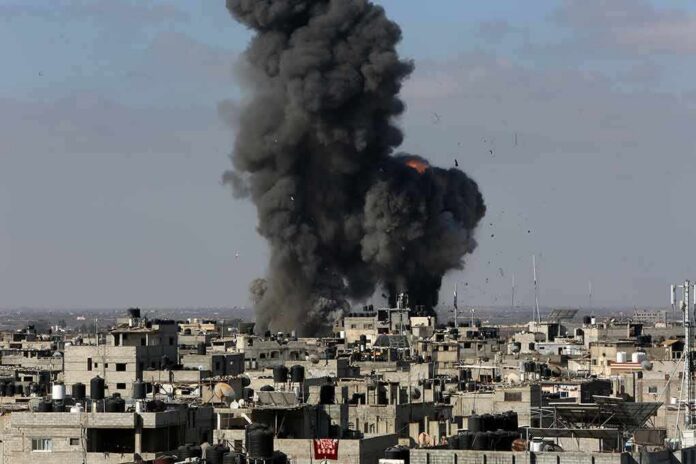
Reporters on the ground saw smoke and flames near King Khalid International Airport soon after alerts went out. Civil defense messages warned residents of a “hostile aerial threat” before an all-clear followed. The images fueled talk of a hit, yet officials did not tie the smoke to a missile impact. The lack of confirmed damage and the clear Saudi interception claim left the core question open to public doubt and partisan spin that spread fast online.
What We Know, What We Do Not
Confirmed facts are narrow but important. The Houthis launched at least one projectile toward Riyadh, and Saudi Arabia engaged it. Saudi officials said their systems destroyed it before impact. Independent outlets reported no verified casualties or structural damage. The Houthis did not name a specific facility that was hit. Without a target, crater, debris analysis, or hospital records, no outside source has proved a successful strike on a named site inside the capital.
This information gap is common in this war. The Houthis often announce success to project reach and resolve. Saudi statements stress quick interception to calm markets and the public. Newsrooms then pair both claims in fast updates. That mix can blur “attempted attack” and “successful strike” for readers who want clarity. It also rewards speed over proof, which leaves room for distrust and charges of propaganda from both sides.
Why This Matters For Americans
Riyadh is a major energy and finance hub. A real hit on the capital or nearby energy sites could raise oil prices and strain supply routes. That would land on American families through higher fuel and shipping costs. The United States has partners, troops, and interests across the region. A cycle of missile launches and intercepts risks miscalculation. One debris fall in the wrong place could trigger a larger fight that Washington would struggle to avoid.
Houthis hit Riyadh: Saudi Arabia says it intercepted a Houthi ballistic missile targeting the capital as black smoke rose from an Aramco fuel depot near King Khalid International Airport.
What happened — and why it matters: https://t.co/7LKEDLobUO
— Piyush Gupta (@PiyushNeekhra) September 20, 2026
Many Americans on the left and right see a pattern here. Distant wars spill into our pocketbooks while officials trade talking points. Intelligence stays locked up. Agencies and elites say “trust us” without sharing enough proof. The result is more doubt and more anger. Clear evidence would help: air-defense logs, radar tracks, debris photos, and named target details. Until then, the safest reading is this: an attempted strike happened; an interception was reported; confirmed damage in Riyadh is unproven.
Sources:
youtube.com, aljazeera.com, timesofindia.indiatimes.com, washingtonpost.com
© truthandliberty.com 2026. All rights reserved.