A routine traffic stop that allegedly turned into a retaliatory, evidence-planting drug case is costing Buffalo taxpayers $700,000—and it raises a bigger question about what “accountability” really means when no one appears to be held responsible.
Story Snapshot
- Buffalo’s Common Council approved a $700,000 settlement for Bruce McNeil as part of $1.68 million in police-misconduct payouts tied to multiple claims.
- McNeil says officers detained and searched him without explanation, damaged his vehicle, then targeted him after he tried to file a complaint.
- The lawsuit alleges officers conspired to claim crack cocaine found in a patrol car belonged to McNeil, leading to his arrest in front of his mother.
- McNeil was acquitted in 2019 after prosecutors declined to call the involved officers to testify, according to the report.
- The settlement closes the civil case financially, but the reporting does not specify any discipline or reform tied to the payout.
What the Lawsuit Alleges Happened in Buffalo
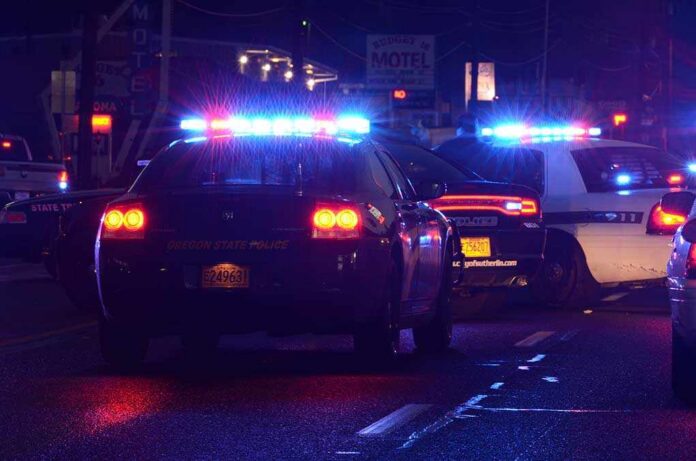
Buffalo resident Bruce McNeil’s case traces back to Memorial Day weekend in 2019, when he was pulled over early in the morning by Buffalo Police officers John Davidson and Patrick Garry. Reporting says McNeil was detained and searched, then released without a citation or charges, but with damage to his vehicle. McNeil then went to the precinct to file a complaint, a move that—according to his lawsuit—triggered threats and retaliation.
According to the account, a lieutenant warned McNeil he would be arrested because there was “marijuana in his car.” When McNeil returned with his mother, a second lieutenant allegedly delivered the same warning. The suit claims the situation escalated into an effort by multiple officers to pin alleged crack cocaine—said to be found in a patrol car—on McNeil. Lt. Velez is identified as the officer who charged him, and McNeil was reportedly arrested in front of his mother.
Why the Acquittal Matters—and What It Suggests
McNeil’s criminal case ended in December 2019 when he was acquitted after prosecutors declined to call Davidson and Garry to testify, according to the report. That detail matters because it shows the government still moved forward far enough to put a citizen through arrest, prosecution, and public humiliation—then could not (or would not) rely on the key witnesses to sustain the case at trial. The research provided does not include the prosecution’s specific reasoning.
The report also describes a later encounter in April 2020, when Garry allegedly pulled McNeil over again, referenced a rejected plea deal, searched him, and remarked there were no drugs “this time.” If accurate, that kind of follow-up stop looks less like routine policing and more like a warning to anyone tempted to challenge the system. The underlying facts are presented through lawsuit allegations and reporting; the article does not document disciplinary outcomes for involved officers.
Taxpayers Pay the Bill, While Oversight Remains Murky
Buffalo’s Common Council approved $1.68 million in settlements, including $700,000 for McNeil, according to the March 2026 reporting. The financial impact is straightforward: the public pays for failures in leadership, training, supervision, or integrity—while most ordinary families are already squeezed by higher costs across the board. That accountability gap becomes a constitutional concern when citizens believe complaints will be met with retaliation rather than due process.
The research also says Officer Garry has been tied to prior payouts: more than $53,000 in earlier settlements, including $41,500 to Chevalier Jones in 2023 for an alleged beating and false charges and $11,500 to Rochelle Alston, plus another $35,000 in 2024 claims involving Davidson and Garry. Those figures, as described, point to a recurring issue: cities often treat settlements as a cost of doing business instead of an urgent warning that internal controls may be failing.
A Conservative Take: Pro-Police Should Still Mean Pro-Constitution
Conservatives often back law enforcement because order is necessary for liberty, and most officers do difficult work under intense pressure. But the allegations here—pretextual stops, intimidation after a complaint, and a claimed conspiracy to plant evidence—strike at bedrock rights: due process, equal protection, and the idea that government power must be restrained. If citizens think reporting misconduct will get them framed, trust collapses and legitimate policing becomes harder.
Police Slap Fake Drug Charge on Man After He Tried to Report Them – Now the City Will Pay
https://t.co/DUg1Vrc0GH— Townhall Updates (@TownhallUpdates) March 24, 2026
The reporting provided does not confirm whether any discipline occurred, and that missing piece is part of the larger problem. Settlements can compensate victims, but they can also function as a pressure-release valve that avoids public fact-finding and clear accountability. For voters who are tired of elites escaping consequences—whether in Washington or at a local precinct—the principle should be consistent: the badge is not a license to violate rights, and taxpayers should not be the permanent cleanup crew.
Sources:
Police Slap Fake Drug Charge on Man After He Tried to Report Them – Now the City Will Pay
Ronald Watts Victim Sues for City’s Report