Congress passed the 21st Century ROAD to Housing Act, and President Trump did not sign it before it became law.
Quick Take
- The Senate passed the housing package by **85-5** on June 22, 2026.
- The House passed the final bill the next day by **358-32**.
- The law includes new limits on large institutional investors buying single-family homes.
- The package also aims to cut red tape and expand housing supply.
How the Bill Crossed the Finish Line
The 21st Century ROAD to Housing Act became law after both chambers approved the final version and the president did not sign it. The bipartisan package had already cleared the Senate and House with wide margins, showing rare agreement in a divided Washington. Supporters said the bill is meant to expand housing access, lower costs, and modernize federal housing programs without new government spending.
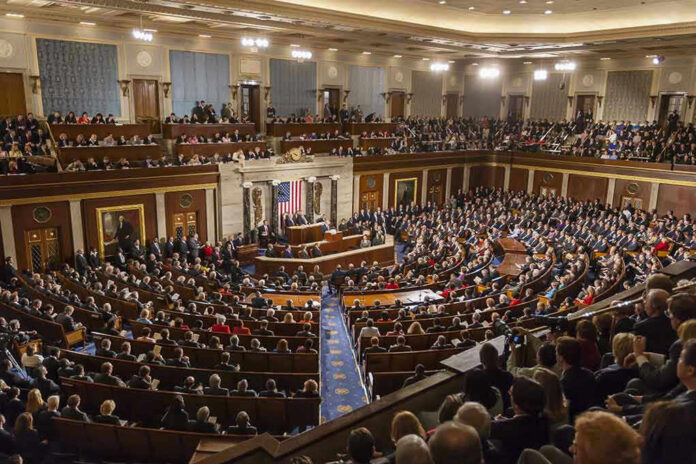
The final vote came after months of negotiation between House and Senate leaders. The Senate approved the compromise bill 85-5 on June 22, 2026, and the House followed on June 23 with a 358-32 vote. Policy groups said the final package blended parts of the House and Senate versions while keeping the core goal of increasing supply and reducing barriers that slow construction.
What the Law Changes
One of the most debated parts of the law is its restriction on large institutional investors. The Senate version defined those investors as firms with control of 350 or more single-family homes and limited their ability to buy more. The bill also kept exceptions for certain rental models, including build-to-rent projects, while requiring some investors to dispose of properties within seven years.
The law also carries a broader message about how Washington should handle the housing crunch. Backers say the package cuts unnecessary rules, updates outdated programs, and gives local communities more tools to build. Senator Mike Crapo’s office said the measure includes reforms to manufactured housing, rural housing, homelessness programs, and veterans’ housing, all with the aim of helping more families reach homeownership.
Why Supporters Call It a Major Housing Reset
Housing advocates described the act as a broad bipartisan package with 43 provisions tied to housing supply, financing, homelessness, veterans’ housing, and disaster recovery. The final version also lifted the Rental Assistance Demonstration cap by 100,000 units and extended tenant protections in those buildings. Supporters framed those changes as practical steps, not a new federal takeover, which will appeal to readers tired of endless bureaucracy and rising costs.
The 21st Century ROAD to Housing Act is a historic win for families.
It includes my bill to help communities modernize zoning laws and expand housing development. By assisting local governments to remove barriers and plan for growth, we can build more houses and lower costs.
— Amy Klobuchar (@amyklobuchar) July 12, 2026
The bill’s path also shows how unusual this kind of agreement has become. On one hand, lawmakers from both parties lined up behind a major housing reform package. On the other, the executive branch did not provide the public signing moment some expected. For voters who want more homes, lower prices, and less meddling from big institutions, the law is a clear test of whether Washington can still get something done.
Sources:
redstate.com, lw.com, nlihc.org, en.wikipedia.org, bipartisanpolicy.org, financialservices.house.gov, congress.gov, ncsha.org
© truthandliberty.com 2026. All rights reserved.