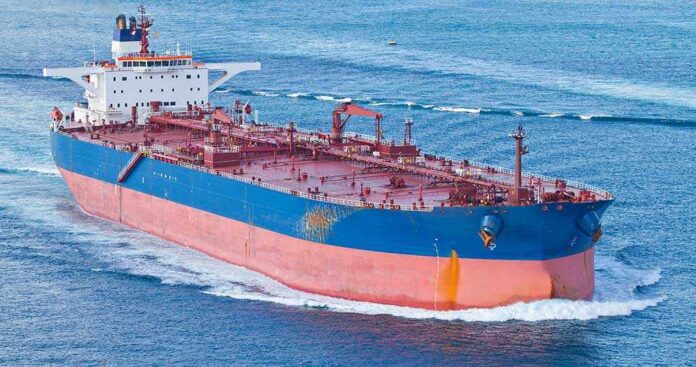
Iran’s missile strike on a Panama-flagged oil tanker in the Strait of Hormuz has triggered powerful U.S. airstrikes ordered by President Donald Trump, putting the new ceasefire deal to an early test.
Story Snapshot
- Iran hit a Panama-flagged tanker loaded with about 2 million barrels of crude near the Strait of Hormuz, breaking a fresh ceasefire deal.
- President Trump ordered U.S. aircraft to strike Iranian missile, drone, and radar sites in response and called Iran’s move a “foolish violation” of the agreement.
- The Islamabad Memorandum of Understanding between the United States and Iran was meant to halt the war and restore safe shipping lanes but now faces severe strain.
- Iran’s commanders warn of a “swift and crushing” response to any clause they say the United States violates, raising the risk of wider conflict.
Iran’s Tanker Attack Tests the New Ceasefire Deal
United States Central Command said Iranian forces launched a one-way attack drone that struck the Panama-flagged tanker M/T Kiku as it transited near the Strait of Hormuz, carrying more than two million barrels of crude oil. The attack came just hours after both sides had already traded strikes following Iran’s earlier hit on the tanker M/V Ever Lovely, the first clash after the ceasefire took effect. Commercial traffic through the choke point continues, but the United States military now describes Iranian behavior as ongoing and aggressive.
President Donald Trump framed the strike on the tanker as a direct breach of the June 2026 ceasefire Memorandum of Understanding, often called the Islamabad Understanding. In a post on Truth Social, he said United States aircraft struck Iranian missile and drone storage locations and coastal radar sites “for violating the ceasefire agreement, AGAIN,” warning that if Iran keeps pushing, the Islamic Republic “will no longer exist.” Trump’s message to Tehran is clear: stop targeting shipping and United States interests, or face even harder military blows.
What the Islamabad Memorandum Requires From Iran and the U.S.
The Islamabad Memorandum of Understanding, signed remotely by President Trump and Iranian President Masoud Pezeshkian on June 17, 2026, was designed to end the Iran war and restore the normal ban on using force. The deal calls for an immediate ceasefire across all fronts and seeks a United Nations resolution to back a longer-term agreement. It also lays out steps for Iran to reopen and regulate traffic through the Strait of Hormuz, while the United States pledges to lift its naval blockade of Iranian ports within 30 days.
Legal analysts note that the memorandum includes complex obligations for the United States, such as quickly waiving some sanctions, which may clash with existing United States law. That tension lets critics in Tehran claim Washington is not living up to its side of the bargain, even as they carry out missile and drone attacks. Iranian officials have already accused United States negotiators of having “no moral frame” and of changing their demands, trying to shift blame for the ceasefire’s strain back onto the Trump administration.
Dueling Violation Claims and Rising Escalation Risk
United States officials argue Iran’s strike on the Panama-flagged tanker is a clear violation of Article 1 of the Islamabad Understanding, which requires a halt to attacks and safe passage for shipping in the Strait. Central Command says Iran was “given a chance to honour the ceasefire agreement” after the first exchange of strikes, but “elected not to” when it hit M/T Kiku. United States forces then hit Iranian surveillance, communications, air defense, drone storage, and minelayer capabilities in multiple locations near the Strait of Hormuz.
BREAKING 🚨
Trump confirms fresh U.S. airstrikes on Iran.
"United States aircraft just struck Iranian missile and drone storage locations, and coastal radar sites, for violating the Cease Fire Agreement, AGAIN!"
The strikes come after Iran allegedly targeted Bahrain with… pic.twitter.com/hy9BiIY6Vk
— Bullish with CryptoKSA (@cryptowithKSA) July 3, 2026
Iran’s military leaders send an opposite message, warning that any breach of any clause by the United States will bring a “swift and crushing” answer. A senior adviser close to Iran’s Supreme Leader made that threat public days before the tanker attack, adding more pressure to every incident at sea. After fresh United States strikes on Iran’s southern coast, Tehran launched missiles and drones at United States bases in Bahrain and Kuwait, saying it was responding to American aggression and ceasefire violations.
Why Hormuz Matters to U.S. Security and Conservative Priorities
The Strait of Hormuz is one of the world’s most important energy lanes, and Iran’s attacks on commercial tankers threaten global oil supplies and raise costs for American families. When Iranian forces target a Panama-flagged ship carrying millions of barrels of crude, they are not only hitting a foreign vessel but also testing United States resolve and the safety of the free world’s trade routes. Protecting these sea lanes lines up with long-held conservative views about strong defense and secure borders.
For many Americans, the Islamabad Understanding was already a concern because it leaned on United Nations backing and complex global promises instead of simple strength. Iran’s fast move to hit tankers under that deal now looks like a familiar pattern: hostile regimes pocket concessions, then push again until they meet real force. Trump’s ordered strikes on missile, drone, and radar sites send the message that the United States will not let an Islamist regime control a vital waterway through terror and blackmail.
Ceasefires, Leverage, and the Road Ahead
This clash fits a broader pattern seen in other conflicts, where each side claims the other broke a ceasefire first to defend new strikes. In past deals like the Russia-Ukraine Minsk agreements and the United States-Taliban Doha pact, localized attacks were quickly used as proof that the other side acted in bad faith, and fighting soon grew again. The same dynamic is now visible between Washington and Tehran, with each missile and drone launch used to build a case for the next round of force.
Policy experts warn that “resurrecting” the current United States–Iran understanding will require real pressure, not just words on paper. Iran has already threatened to close the Strait of Hormuz again if it decides the United States is breaking the deal. For conservatives, that means the Trump administration must keep military leverage, guard United States law and sovereignty, and refuse any arrangement that lets a hostile regime use ceasefire language as cover for attacks on ships, bases, or allies.
Sources:
theamericanconservative.com, npr.org, cnn.com, jstreet.org, en.wikipedia.org, chathamhouse.org, facebook.com, aljazeera.com, iranintl.com, defensepriorities.org, instagram.com
© truthandliberty.com 2026. All rights reserved.