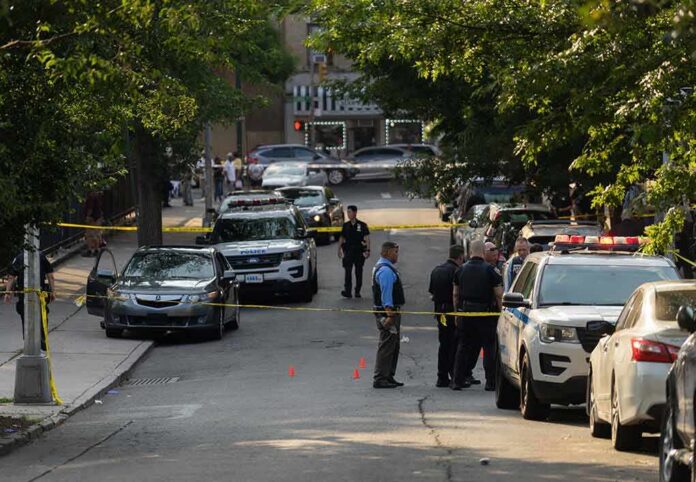
A New York City teacher’s aide has been charged with the fatal stabbing of a Brooklyn jogger, raising fresh questions about safety on public paths and oversight in public jobs.
Story Snapshot
- Police arrested Sayed Mohassib, 27, and charged him with murder in the death of jogger Katie Suarez.
- Prosecutors say video shows him near the Shore Parkway Greenway before and after the attack.
- Court records say he told investigators he went to the path with a knife that day.
- Mohassib worked as a New York City Department of Education paraprofessional; the agency suspended him.
Arrest And Charges In Brooklyn Jogger Killing
New York City police arrested Sayed Mohassib on November 7, 2026, in the death of 28-year-old jogger Katie Suarez. Prosecutors charged him with second-degree murder, tampering with evidence, and criminal possession of a weapon. The attack happened on October 30 along the Shore Parkway Greenway in the Bath Beach area. Reports say Suarez was stabbed in the neck while running and later died at a Brooklyn hospital.
Prosecutors described early case evidence during the arraignment. They said surveillance video captured Mohassib walking toward the path before the stabbing and running away afterward. The accounts do not claim the footage shows the assault itself. The New York Times identified Mohassib as a Bath Beach resident and cited city payroll records showing he worked for the Department of Education as a paraprofessional.
What Investigators And Court Records Say
Newly filed court records say Mohassib told investigators he went to the path that day with a knife. Reports also say he faces an evidence tampering charge, which often covers steps taken to hide or destroy items linked to a crime. The available reporting does not detail any lab findings tying a specific knife to Suarez’s wounds. Mohassib pleaded not guilty at arraignment, and the case will move through the court process.
Police arrested Mohassib more than a week after the attack. National and local outlets described the arrest as the end of a weeklong search for a suspect. That timeline suggests detectives pulled video, checked tips, and reviewed area movements before making the arrest. Authorities have not released a stated motive, and reporters have not confirmed any prior link between the victim and the suspect.
Public-Sector Employment And Immediate Fallout
City officials said the Department of Education suspended Mohassib after his arrest and planned to begin the process to end his employment. CBS News and local outlets reported that step as a standard move for staff facing serious criminal charges. Those actions are administrative, not criminal findings, and happen apart from the court’s decisions on the charges.
The case drew strong attention because it touches two hot-button issues at once: public safety in shared spaces and the trust people place in public employees. When the accused works in a school, parents question screening and oversight. When a runner is attacked on a well-used path, people question whether city systems can keep daily life safe. Those fears cross party lines and add pressure on agencies to show clear, fast answers.
How This Case Fits Larger Crime Patterns
FBI data show most homicides do not involve strangers. In 2019, about one in ten homicide victims were killed by strangers, while larger shares were killed by family members or other known individuals. That helps explain why alleged random attacks, like a stabbing on a jogging path, spark intense concern even if they are less common overall. People see themselves in the victim’s place and feel a direct threat to normal routines.
The mother of the man charged in the fatal stabbing of a Brooklyn jogger is speaking publicly for the first time since his arrest, describing her son as a good person while expressing sympathy for the victim's family. https://t.co/5GjQpppENa
— ABC7 News (@abc7newsbayarea) November 9, 2026
Early coverage tends to center on arrest details, video summaries, and brief quotes from filings. That information helps the public follow the case, but it is not the same as full evidence tested in court. As of now, the reporting describes charges and claims from prosecutors and police, not a verdict. The key next steps include court hearings, possible release of more records, and any forensic results that prosecutors may file later.
Sources:
washingtontimes.com, cnn.com, us.cnn.com, cleveland.com, abc7ny.com, 41nbc.com, exonerationregistry.org
© truthandliberty.com 2026. All rights reserved.