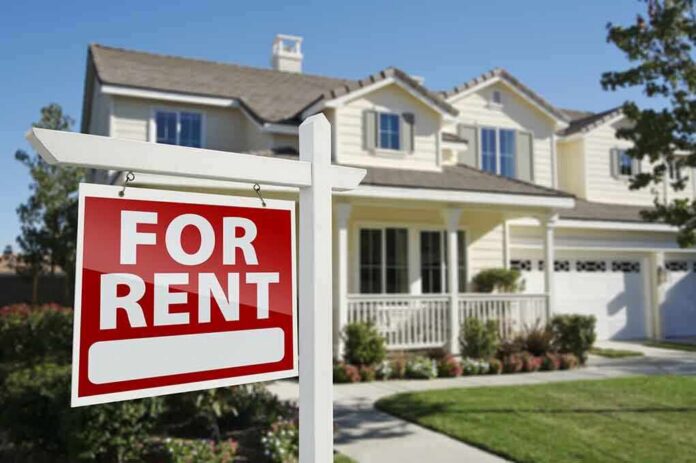
Los Angeles just proved that sometimes the cure for a housing crisis is simply building too much—and renters are finally getting the relief they desperately needed.
Quick Take
- L.A. median rent hit $2,167 in December 2025, the lowest in four years, driven by record apartment construction flooding the market with 500,000+ new units annually
- Vacancy rates surged to 5.3%, the highest since April 2021, as supply overwhelmed demand and a 28,000-person population decline in L.A. County weakened leasing
- The “renter’s market” shift marks a dramatic reversal from years of affordability crises, with wage growth now outpacing rent increases for the third consecutive year
- Supply construction is slowing as developers face lease-up pressure, signaling the boom may be ending and rents could resume climbing in 2026
How America Built Its Way Out of the Rent Crisis
For three years, renters watched helplessly as landlords held all the cards. Vacancy rates hovered near historic lows, rents climbed relentlessly, and affordability became a luxury most Americans couldn’t afford. Then something unexpected happened: builders flooded the market. Between 2024 and 2025, developers completed over 500,000 apartment units annually—record highs—with projections for 2 million more units by 2028. What seemed like overkill turned out to be exactly what the market needed.
Los Angeles Becomes Ground Zero for Supply-Driven Relief
Los Angeles exemplifies this dramatic shift. The metro area’s median rent fell to $2,167 in December 2025, marking a four-year low. This wasn’t a minor dip—it represented genuine relief for tenants who had endured years of escalating costs. The culprit behind the drop was straightforward: new supply displaced demand for older apartments. Coastline Equity CEO Anthony Luna observed that “supply is finally being added,” which “lowers demand for older product.” Simultaneously, L.A. County experienced a 28,000-person population decline during 2025, further weakening lease-up momentum and pushing vacancy rates to 5.3%—the highest level since April 2021.
The National Picture: Flat Rents Hide Regional Complexity
Nationally, rents flatlined over 2024 and 2025 as supply caught up with demand, improving affordability to six-year healthy levels by late 2025. However, the story varies sharply by region. Sun Belt metros including L.A. faced acute pressure with occupancy easing to 92–95%, while the Northeast and Midwest thrived with supply constraints and stronger job markets. This regional split reveals a crucial insight: builders concentrated their efforts in high-growth Sun Belt areas, creating localized oversupply while other regions remained undersupplied.
Why Wage Growth Matters More Than You Think
Behind the rent relief lies a quieter victory: for the third consecutive year, wage growth has outpaced rent increases. This means renters are actually gaining ground on affordability, not just treading water. RealPage data shows that fewer renters are moving to single-family homes, deepening the renter pool and supporting sustained demand even as rents soften. This dynamic matters because it suggests the supply surge didn’t simply create a temporary glut—it’s unlocking genuine household formation and mobility among younger adults and home-sharers who had previously doubled up due to affordability constraints.
The Construction Slowdown Signals the End of the Boom
But the party may be ending. Construction starts slowed notably in late 2025, signaling the supply wave is cresting. Developers face mounting lease-up pressure in Class A properties across oversupplied metros, forcing them to moderate new completions. The National Apartment Association forecasts absorption of 350,000 to 400,000 units in 2026—down sharply from 2025’s surge—with occupancy stabilizing at 92–95%. This transition phase creates a critical inflection point: as new supply dries up, rents could resume their climb by 1–5% regionally in 2026 and beyond.
Who Wins and Who Loses in the New Market
Renters emerge as the clear short-term winners, enjoying lower prices and genuine negotiating leverage for the first time in years. Rent now consumes a smaller share of household income, returning to 2018 lows. Economically, this supports household formation and real wage gains. Socially, it reduces doubling-up and enhances residential mobility. For property operators, however, the picture darkens. Developers holding new Class A inventory face pricing pressure and extended lease-up timelines. Class B properties, by contrast, outperform as tenants trade down from premium units. REITs report fewer move-outs to homeownership, a silver lining that deepens the stable renter base.
The Political and Economic Stakes
Politically, the supply surge eases housing crisis narratives in supply-heavy states like California, offering proof that aggressive building can solve affordability challenges. Economically, multifamily real estate stabilizes with investor confidence returning as the sector transitions from boom to normalization. Single-family rentals continue gaining share as homeownership stalls amid persistent mortgage rate pressures. The broader real estate sector, however, remains tied to office recovery and homeownership barriers—multifamily doesn’t operate in isolation.
What Comes Next: The 2026 Inflection
Early 2026 forecasts project rent growth resumption as supply construction moderates and absorption normalizes. The National Apartment Association expects 2% national rent growth this year, reversing the flat-to-negative trends of 2024–2025. This recovery, however, will remain uneven: Sun Belt metros may stabilize faster than expected, while Northeast and Midwest markets could see continued strength. For renters, the window of relief is closing. Those seeking to lock in lower rents face a narrowing opportunity before landlords regain pricing power. For developers and investors, the message is clear: the supply surge worked, but the next cycle demands precision targeting and operational excellence in an increasingly competitive landscape.
Sources:
RealPage Analytics: Tailwinds for U.S. Apartments in 2026
National Apartment Association: 2026 Apartment Housing Outlook
Ferguson Property Management: 2026 Rental Market Forecast
NerdWallet: Rental Market Trends
Los Angeles Times: Finally, a Renter’s Market—L.A. Rent Prices Drop to Four-Year Low
Zillow Rentals: Consumer Housing Trends Report
Cushman & Wakefield: Trends to Watch