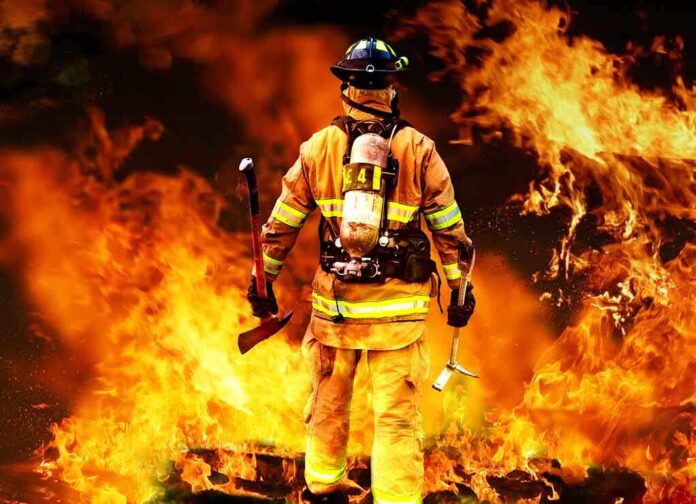
A massive fire on Manhattan’s Upper West Side exposes ongoing urban safety challenges while New York officials scramble to protect residents.
Story Highlights
- Fire engulfs top floor of a six-story apartment building in a busy Manhattan neighborhood.
- Three people were injured amid the blaze, highlighting risks in high-density urban housing.
- Fire officials are investigating the cause amid ongoing concerns about city safety regulations.
- Incidents like this underscore the importance of strong local governance and public safety enforcement.
Major Fire Strikes Manhattan Apartment Building
On December 9, 2025, a large fire broke out on the top floor of a six-story apartment building in Manhattan’s Upper West Side. The blaze rapidly engulfed the upper level, forcing residents to evacuate under hazardous conditions. Firefighters responded swiftly, containing the fire and preventing further spread to neighboring buildings. Despite their efforts, three individuals sustained injuries. Officials have launched an investigation to determine the fire’s cause amid concerns about urban fire prevention measures.
The incident highlights vulnerabilities in emergency preparedness within America’s major cities, which have long faced challenges balancing population density with safety standards. The Upper West Side, a bustling area with many older buildings, requires vigilant fire code enforcement to protect residents and property. This event serves as a stark reminder of the consequences when safety is compromised, intentionally or otherwise, by lax oversight or bureaucratic delays.
Urban Safety and Government Oversight
Fire officials are working diligently to assess the exact factors that led to the blaze, including any violations of fire codes or negligence. The fire underscores the necessity for local governments to maintain strict safety regulations and enforce them without delay. Conservative voices often caution against expansive government overreach but emphasize that core responsibilities—such as protecting citizens’ lives and property—must never be compromised.
New York City’s history of fires in residential buildings reveals recurring patterns of insufficient inspections or outdated infrastructure. Advocates for limited government should support reforms that streamline regulatory oversight while ensuring accountability and safety. Effective public safety policies must balance freedom and responsibility, ensuring citizens are protected without unnecessary bureaucratic burdens.
Implications for Conservative Concerns on Urban Policy
This fire also reignites debates on how urban policies impact families and communities. Conservative Americans have long expressed frustration with policies that fail to prioritize law and order, public safety, and family well-being in cities. The rise in urban incidents such as this fire signals a need to restore stronger local governance that respects constitutional protections and promotes community resilience rather than top-down mandates that often fall short.
Furthermore, the tragedy reflects consequences of ignoring foundational issues like infrastructure maintenance and emergency response readiness. The Trump administration has previously emphasized rebuilding American infrastructure and enhancing public safety through pragmatic and accountable governance. Such principles remain crucial as local officials address the root causes of urban hazards.
While the investigation continues, this fire serves as a warning to all Americans to remain vigilant about the safety of their communities and the effectiveness of their local governments. It is a call for policies that protect constitutional rights, uphold family values, and ensure government responsibility without succumbing to overreach or ideological distractions.