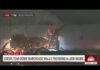
A UPS cargo plane crash has reignited concerns about regulatory oversight and maintenance practices in the air cargo industry.
Story Highlights
- The UPS aircraft crashed shortly after takeoff following recent fuel tank repairs.
- Maintenance lapses and regulatory oversight are under scrutiny.
- The incident has disrupted UPS’s logistics network.
- There are potential long-term implications for air cargo safety regulations.
Recent Crash Sparks Safety Concerns
The crash of a UPS cargo plane shortly after takeoff has raised serious concerns about maintenance protocols and regulatory oversight in the air cargo industry. The aircraft had been grounded for over a month for critical fuel tank repairs, only to experience catastrophic failure soon after returning to service. This incident highlights vulnerabilities in current maintenance practices and regulatory frameworks that conservatives argue need urgent attention to prevent future tragedies.
Investigations are focusing on the connection between the recent fuel tank repairs and the crash. The National Transportation Safety Board (NTSB) has indicated a potential failure in the fuel system as the initiating event. This has prompted the Federal Aviation Administration (FAA) to issue an advisory, temporarily grounding similar aircraft for inspection. UPS has suspended operations of the affected fleet, expressing condolences and pledging full cooperation with the ongoing investigation.
Impact on UPS and Air Cargo Industry
The crash has significantly disrupted UPS’s operations, affecting their overnight delivery network. Short-term impacts include delays in shipments and increased scrutiny of maintenance protocols. In the long-term, this event could lead to stricter regulatory changes and higher maintenance costs for cargo operators. Industry experts predict that there will be a comprehensive review of fuel tank safety protocols, which could have widespread implications across the aviation sector.
UPS employees and crews are expressing concerns about safety and operational disruptions. Customers are facing delays, and the aviation industry is bracing for increased regulatory oversight. The incident has not only affected UPS but also raised questions about the safety of aging aircraft fleets and the pressures to keep them operational amidst rising global logistics demands.
Calls for Regulatory Reforms
The incident has sparked calls for regulatory reforms to address the systemic issues in air cargo safety. Experts argue that the aging aircraft fleets used by many cargo operators require more intensive maintenance, and current regulatory frameworks are insufficient to prevent such disasters. As the investigation unfolds, there is potential for new airworthiness directives and industry-wide inspections to ensure compliance and safety.
UPS plane that crashed and exploded was recently grounded for over a month for critical fuel tank repairs https://t.co/TR0Uya2zuh pic.twitter.com/oBVFyJCfhT
— New York Post (@nypost) November 6, 2025
Conservative voices emphasize the need for limited government intervention but advocate for stringent safety measures to protect lives and property. The focus remains on ensuring that maintenance practices are robust and regulatory bodies like the FAA enforce compliance without overreach. As the situation develops, stakeholders are keenly watching for legislative responses and potential reforms to safeguard the future of air cargo operations.
Sources:
UPS plane that exploded was grounded for fuel tank repairs
UPS plane seen rolling, exploding feet from stunned trucker