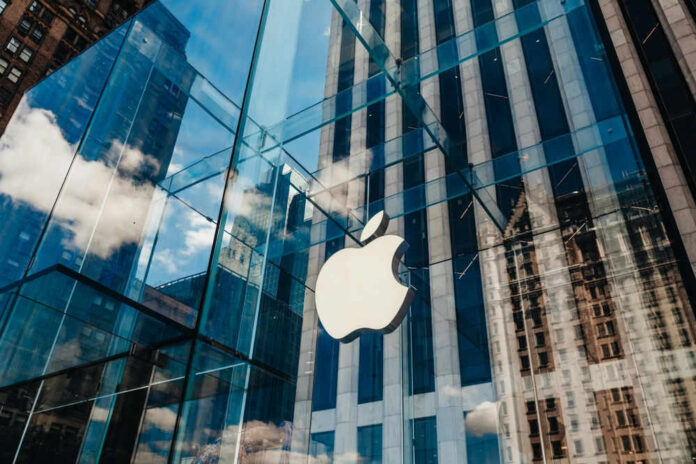
When the world’s most powerful governments collide over the keys to your digital life, the rules of privacy, power, and trust are rewritten in real time.
Story Snapshot
- The UK abandoned its demand that Apple create a backdoor to encrypted iCloud data after U.S. diplomatic intervention.
- The demand targeted not only UK citizens but all global users of Apple’s encrypted cloud services.
- Apple fought the order by disabling advanced encryption in the UK and launching a legal challenge.
- This reversal sets a global precedent on privacy, tech power, and government surveillance limits.
Global Stakes in the Encryption Battlefield
In January 2025, the United Kingdom issued a Technical Capability Notice to Apple, wielding the force of the Investigatory Powers Act—infamously nicknamed the “Snooper’s Charter.” The demand? Apple must provide a backdoor, granting the UK government unfettered access to encrypted iCloud data. This was not a parochial power grab: the order would have potentially compromised not only British users, but millions worldwide who trust Apple’s end-to-end encryption.
Gabbard says U.K. scraps demand for Apple to give backdoor access to data https://t.co/7flTo2i0uA
— CTV News (@CTVNews) August 19, 2025
Apple responded with a measured act of defiance, disabling its Advanced Data Protection for UK users rather than weaken its global security model. The company then appealed, dragging the dispute into the secretive corridors of the UK’s Investigatory Powers Tribunal. For months, the fate of digital privacy for hundreds of millions hung in the balance.
The U.S. Enters the Arena: Diplomacy Redefines the Terms
What shifted the ground was not legal argument, but the blunt force of international diplomacy. The United States, under the leadership of President Donald Trump and Director of National Intelligence Tulsi Gabbard, applied sustained pressure on the UK government. Their message was clear: American citizens’ digital privacy was non-negotiable, and any attempt to weaken Apple’s encryption—even under the banner of British law—was a bridge too far.
On August 19, 2025, Gabbard publicly announced that the UK had abandoned its demand. The statement reverberated across the Atlantic: digital privacy had won a rare victory in a landscape dominated by ever-expanding surveillance ambitions. The UK government, for its part, offered only silence, declining to comment on operational details or the behind-the-scenes negotiations that led to its reversal.
Ripples Through the Tech World: Precedent and Fallout
The UK’s retreat is not just an isolated policy reversal—it is a shot heard round the world in the ongoing encryption wars. Apple avoided creating a backdoor, preserving both its technical security and the trust of its global user base. UK Apple users, however, remain locked out of Advanced Data Protection for now, collateral in a geopolitical standoff that prioritizes global precedent over local convenience.
Law enforcement agencies on both sides of the Atlantic find themselves frustrated. The promise of easy access to encrypted data—so often invoked in the name of fighting terrorism and cybercrime—remains elusive. Tech companies like Google and Meta, eager to avoid their own brush with government-mandated backdoors, are emboldened by Apple’s high-profile victory and the diplomatic muscle that backed it up.
Expert Analysis: Privacy, Power, and the Next Moves
Cybersecurity experts are unified on one point: backdoors, even those created for law enforcement, undermine the very foundation of secure digital services. Privacy advocates hail the UK’s reversal as a rare triumph for civil liberties in an era of creeping surveillance. Legal scholars point to the importance of transparent, accountable legal processes—an element conspicuously absent from the secret world of Technical Capability Notices.
Yet, the encryption debate is far from settled. Law enforcement leaders argue that access to encrypted data is essential to public safety, while privacy defenders and tech giants counter that any such access weakens security for everyone. The American diplomatic intervention, meanwhile, sends a clear message to allied governments: the boundaries of digital privacy are now an international flashpoint, and the world’s leading tech companies may have more friends in high places than their adversaries realize.