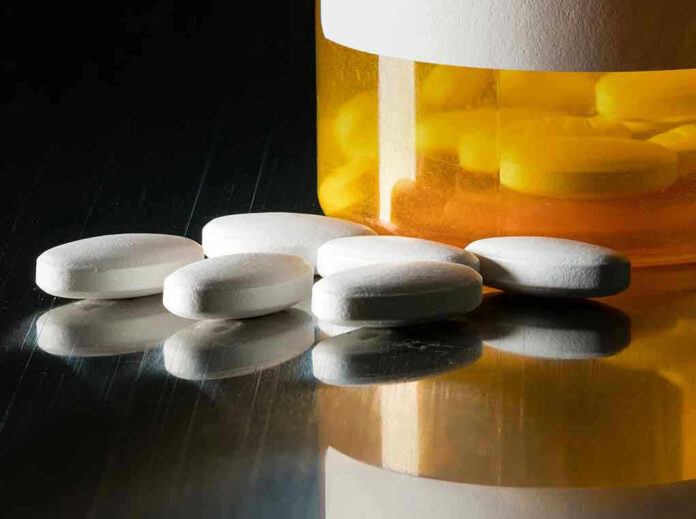
Trump’s bold new healthcare plan takes direct aim at Big Pharma’s stranglehold on American families by moving safe prescription drugs over-the-counter, promising to slash costs and restore patient freedom.
Story Highlights
- Trump’s “Great Healthcare Plan” proposes moving verified safe prescription drugs to over-the-counter status
- Historical precedents show dramatic price drops: omeprazole fell 44% and loratadine dropped to $1 per pill
- Plan targets contraceptives, HIV prevention drugs, and obesity treatments for OTC access
- Major medical associations already endorse OTC birth control, used safely in over 100 countries
Trump Targets Prescription Drug Monopoly
President Trump’s “Great Healthcare Plan” unveiled in January 2026 includes a revolutionary proposal to reclassify verified safe prescription drugs as over-the-counter medications. This direct assault on pharmaceutical gatekeeping builds on Trump’s May 2025 executive order that secured 16 drug pricing deals with manufacturers. The plan empowers patients to bypass costly doctor visits for routine medications while fostering genuine market competition.
A Good Idea in Trump’s “Great Healthcare Plan”: Put More Drugs Over the Counter https://t.co/VY0RDCnDKm via @CatoInstitute
— Jeffrey A. Singer (@dr4liberty) January 15, 2026
The Cato Institute praised this element as a rare government proposal that actually reduces regulatory barriers instead of expanding them. Unlike the bureaucratic maze created by previous administrations, Trump’s approach trusts American adults to make informed healthcare decisions. This represents a fundamental shift from the paternalistic model that has enriched middlemen while burdening working families with unnecessary costs and delays.
Proven Track Record of Cost Savings
Real-world evidence demonstrates the power of prescription-to-OTC switches in crushing inflated drug prices. When the FDA moved omeprazole from prescription to over-the-counter status, prices plummeted from $4.20 to $2.35 per dose—a 44% reduction that put money back in patients’ pockets. Similarly, loratadine now costs approximately $1 per pill after its OTC switch, proving market competition succeeds where government price controls fail.
These examples expose how prescription requirements often serve as profit protection schemes rather than genuine safety measures. The FDA already approved one progestin-only birth control pill for OTC use in 2024, following endorsements from the American College of Obstetricians and Gynecologists, American Academy of Family Physicians, and American Medical Association. Over 100 countries already allow over-the-counter birth control access without safety concerns, highlighting America’s regulatory overreach.
Expanding Access to Critical Medications
Trump’s proposal specifically targets contraceptives, HIV prevention and treatment drugs, and GLP-1 medications for obesity and addiction treatment. This expansion would eliminate barriers that force Americans into expensive doctor visits for routine medication refills. The plan recognizes that adults can safely manage many health conditions without constant medical supervision, reducing healthcare costs while improving access for rural and underserved communities.
Critics who raise misuse concerns ignore that dangerous over-the-counter medications like acetaminophen already exist with proper labeling and consumer education. The plan’s focus on “verified safe” drugs ensures rigorous FDA safety standards while eliminating unnecessary bureaucratic obstacles. This approach respects individual liberty and personal responsibility—core conservative principles that contrast sharply with the nanny-state mentality of previous healthcare policies.
Breaking Insurance Industry Stranglehold
The over-the-counter expansion complements Trump’s broader assault on healthcare industry middlemen, including pharmacy benefit managers and insurance companies that profit from opacity and complexity. By enabling direct consumer purchases, the plan bypasses insurance approval processes and copay schemes that often make prescription drugs more expensive than they need to be. This direct-pay model creates transparent pricing and genuine market competition.
Combined with Trump’s Most-Favored-Nation pricing initiatives and insurance transparency requirements, the OTC expansion represents a comprehensive strategy to restore healthcare freedom. The plan promises $36 billion in taxpayer savings and 10% premium reductions while shifting power from bureaucrats back to patients. For Americans exhausted by healthcare bureaucracy and skyrocketing costs, Trump’s market-based approach offers hope for genuine relief from decades of government-created dysfunction.
Sources:
A Good Idea in Trump’s “Great Healthcare Plan”: Put More Drugs Over the Counter
Fact Sheet: President Donald J. Trump Calls on Congress to Enact the Great Healthcare Plan
Trump takes aim at insurance industry, unveiling ‘Great Healthcare Plan’