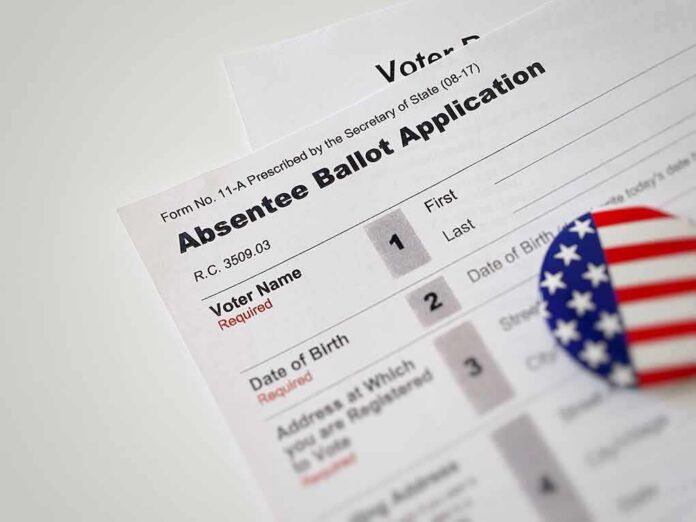
Louisiana voters will decide whether to raise the income cap for a homeowner assessment freeze to $150,000, expanding relief for seniors, disabled veterans, and surviving spouses on Nov. 3.
Story Snapshot
- The amendment would raise the income limit for an assessment freeze from $100,000 to $150,000.
- The freeze locks in a home’s assessed value, not the final tax bill, for eligible homeowners.
- Opponents warn the change could cut funds for local services and schools.
- Key fiscal details, like statewide cost and new enrollees, are not documented in the record.
What Amendment 9 Would Change
Louisiana’s ballot includes Amendment 9, a constitutional change that raises the income cap for a special assessment level on homesteads from $100,000 to $150,000. The program applies to people who already qualify, including many seniors, disabled veterans, and some surviving spouses, on their primary homes. The measure also ties future adjustments to inflation starting in 2028, which could help the cap keep pace with rising incomes and prices. Supporters frame it as catching up to higher costs without scrapping limits entirely.
The assessment freeze does not erase property taxes. It locks the assessed value of the home, which is one step in how taxes are calculated. Millage rates can still change, and bills can still rise or fall. This design gives stability to the valuation side, but it does not guarantee a flat bill year to year. State and local summaries and news coverage have stressed this point to avoid confusion over the word “freeze”.
Who Could Qualify and How It Works
Only residential property with a homestead exemption can get the special assessment level. Applicants must meet category rules, like age or disability status, and now could meet a higher income ceiling if voters approve the amendment. Parish assessors can verify income by checking the federal adjusted gross income shown on the Louisiana tax return for the past year. That creates a standard method to confirm eligibility without guesswork across parishes.
The amendment would take effect in statute on the timeline set by the legislature and the constitution. Public materials discuss a 2027 start with inflation indexing beginning in 2028, but they do not fully explain every timing step for applications and assessments. That gap could cause confusion for homeowners planning when to file and for assessors preparing their rolls. Clear guidance from state tax offices and local assessors would help avoid mixed messages during the first cycle.
Supporters’ Case and Open Questions
Backers argue that middle-income seniors and disabled veterans face rising costs and need steadier tax planning. They say lifting the cap by $50,000 can catch households who earn just over the current limit yet still feel squeezed by insurance, upkeep, and higher prices. The measure fits a long state trend of protecting primary homes for defined groups rather than offering a broad tax cut for all property classes. However, available documents do not quantify how many new households would qualify or the total cost.
NOV. 3RD: Louisiana Mulls Property Tax Break for Veterans. Voters Get the Final Say pic.twitter.com/kqVxQUExPq
— SEGAMI (@segamihcfund) November 2, 2026
That missing data matters. Voters do not see a statewide fiscal note, parish-by-parish estimate, or model of how much assessed value would be shielded. Without that, people are asked to judge the tradeoff in the dark. The lack of a clear number does not mean the cost is high or low. It means the public record used in this debate does not settle it either way. Local leaders and homeowners alike are left to infer the impact from past program size and trends.
Opponents’ Concerns About Local Budgets
Opponents, including the Public Affairs Research Council of Louisiana, warn that special breaks reduce tax dollars for local agencies and schools that rely on property taxes. They argue that lifting the income cap to $150,000 is a big expansion and recommend keeping the current $100,000 limit. They also warn that as more properties are shielded, the base that pays full freight can shrink, raising fairness and stability questions for younger families and new buyers.
Some reports note that the amendment’s language places any drop in collections on the taxing authority rather than other taxpayers. Critics respond that, even if the law bars direct shifts, local governments still face lower collections and must decide whether to trim services, adjust other rates within legal bounds, or delay projects. Those are real budget choices in any parish that sees many new enrollees. Again, no statewide fiscal model is in the record to size that risk.
Why It Resonates With Voters
Property taxes hit home budgets more than almost any other bill. Seniors and disabled veterans want predictability after a lifetime of work and service. Parents want safe streets and strong schools that depend on stable revenue. Both sides see a system that often feels rigged for insiders, where rules move but clarity does not. A clean vote with clear numbers would build trust. On Nov. 3, voters choose whether expanded relief is worth the unknowns today.
Sources:
military.com, house.louisiana.gov, shreveporttimes.com, legis.la.gov, sos.la.gov, sanluisobispo.com
© truthandliberty.com 2026. All rights reserved.