Thailand is dangling the carrot of zero tariffs to the United States, hoping it’s enough to avoid the kind of punishing tariff hikes that have become the new normal in Trump’s America-first trading world—while American taxpayers are left wondering if yet another “deal” will really put the U.S. first this time, or just bail out another foreign export economy.
At a Glance
- Thailand’s government has offered to drop tariffs to zero on a broad range of U.S. imports, hoping to head off severe new tariffs on their own exports.
- The U.S. is threatening to raise tariffs on Thai goods to 36% by July 9 if no deal is reached, citing a massive $45.6 billion trade deficit and years of lopsided trade.
- The negotiations come as the Trump administration pushes to rebalance global trade, boost American manufacturing, and stop the endless stream of taxpayer dollars flowing overseas.
- Thailand’s proposal includes big-ticket promises to buy U.S. energy and up to 80 Boeing jets, but U.S. officials remain skeptical and want more concrete action, faster.
Zero Tariffs: Thailand’s Last-Minute Gamble to Avoid the Tariff Hammer
On July 7, Thailand’s Finance Minister Pichai Chunhavajira announced a new trade proposal, offering the United States zero tariffs on a wide spectrum of American imports—everything from energy and machinery to aerospace. Thailand’s motivation is as clear as day: avoid getting hit with a 36% tariff on Thai exports, a penalty the Trump administration is ready to unleash if talks stall. The U.S. has long suffered a lopsided trade relationship with Thailand, racking up a $45.6 billion deficit last year alone. American officials have had enough of subsidizing foreign growth at the expense of our own workers and industries.
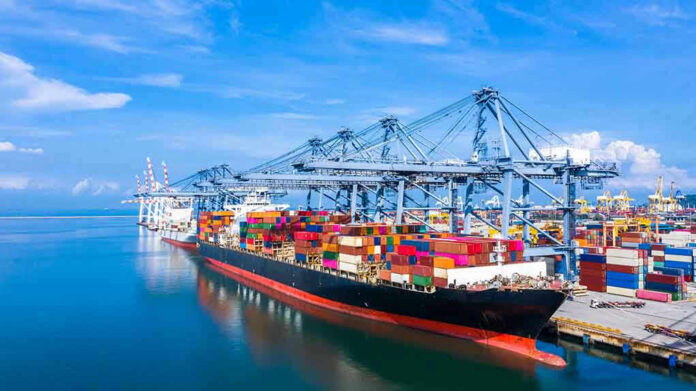
Thailand’s export-driven economy is on the ropes, and their government knows access to the American market is non-negotiable. Electronics, cars, rubber goods—you name it, they need to keep shipping it to the States. In this zero-tariff proposal, Thailand tries to sweeten the pot by pledging to buy more from the U.S., including an eye-popping order for up to 80 Boeing jets and sizable increases in energy imports. The message to Washington: “Let us keep selling to you—just ignore that yawning trade gap, and we’ll buy a few more American goods.”
America’s Leverage: Trump’s Hardball Strategy on Full Display
The United States is no longer playing the globalist doormat. The Trump administration’s trade team, led by the Office of the U.S. Trade Representative, is doing what previous administrations refused to do: use America’s market power to demand fairer deals. USTR officials are reviewing Thailand’s offer, but aren’t buying the “trust us, we’ll balance trade in a decade” pitch. They want results, not promises, and they want them now. The July 9 deadline is hard and fast. If Thailand can’t deliver, those 36% tariffs hit immediately—a move that would shake their economy to its core and finally put American interests first.
Under Trump, the U.S. is rewriting the script for global trade. Gone are the days where we let countries flood our markets, ship jobs overseas, and then beg for scraps in return. The administration’s strategy is simple: use tariffs as leverage to force open foreign markets for American goods, and stop the endless bleeding of U.S. manufacturing jobs and wealth. Thailand’s desperate proposal is proof the new approach is working. Other Asian economies—especially those who’ve gamed the system for years—are watching closely, knowing their sweetheart deals may be next on the chopping block.
Who Wins, Who Loses, and What This Means for American Workers
If this deal somehow gets done, American exporters—especially in energy, aerospace, and machinery—could see a real boost. But let’s not kid ourselves: these “commitments” to buy American only matter if they actually happen, and history is littered with foreign governments offering big deals that fizzle the moment Washington drops its guard. The risk is that yet again, the U.S. gets sweet-talked into a deal where we open our markets, prop up another export economy, and get little in return except more lost jobs and a few headlines about “cooperation.”
American taxpayers and workers are right to be skeptical. For decades, these trade negotiations have meant endless Washington hand-wringing while China, Thailand, Vietnam, and others laugh all the way to the bank. The Trump administration’s hardball tactics may finally be turning the tide, but the proof will be in the results—not the promises. Until the U.S. trade deficit closes and American factories are humming again, every “zero tariff” offer needs to be met with a healthy dose of skepticism and a demand for concrete action, not just lip service.