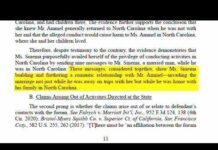
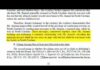
After a Hail Mary win, the Big Ten said one hidden second still remained because a Western Michigan player touched the ball while starting from out of bounds, igniting fury over which clock the public can trust.
Story Highlights
- The Big Ten said replay showed Western Michigan No. 18 touched the ball with one second left while starting out of bounds.
- The league said its replay used a direct stadium clock feed synced before kickoff, not the broadcast clock.
- NBC rules analyst Terry McAulay questioned the ruling if the broadcast clock matched the stadium clock.
- The Mid-American Conference accepted the Big Ten’s explanation after viewing the replay materials.
What Officials Ruled And Why It Mattered
Conference officials restored one second after a review of Michigan’s last play before the game-winning throw. The Big Ten said Western Michigan’s No. 18 jumped from out of bounds and touched the ball with one second still on the clock, which by rule stops play and the clock. The decision gave Michigan a final snap that turned into a successful Hail Mary. The Mid-American Conference later said it accepted the Big Ten’s explanation after seeing video and audio from the review.
The league also explained how it reached that timing call. Officials used a side-by-side view of the play and a direct shot of the stadium’s game clock inside the replay system. The conference said the replay cameras, including the clock camera, are synced before each game. That process is meant to align every camera with the same time source and reduce error during reviews, especially on end-of-game timing.
Why Fans Saw Zeroes And Still Got Another Play
Viewers saw the broadcast clock hit 0:00 before the final snap, which clashed with the Big Ten’s one-second ruling. That split fueled anger and “rigged” claims online and on air. NBC rules analyst Terry McAulay said the ruling looked wrong if the network’s on-screen clock matched the stadium clock, and he did not see contact before zero on that feed. This is the core tension: which clock is the authority when video shows different answers.
Reporters said the Big Ten published a version of the replay center’s review that showed one second left at the moment of touch. Outlets repeated the same key rationale: out-of-bounds contact by Western Michigan No. 18 with one second remaining, supported by the replay system’s clock view. The rule framework says the ball is out when it touches a player who is out of bounds, which stops the clock and can restore time late in a half or game. That is the rule the Big Ten cited in defense of the decision.
Transparency Gap Keeps Mistrust Alive
Several stories noted that the widely shared broadcast angle did not clearly show the exact instant of touch. That puts the public in a bind because the decisive evidence lives inside the league’s replay package, not in the viral clip. Without a full packet that includes all synced feeds and timing logs, many fans will default to the clock they saw on television, which showed zeros and suggested the game was over.
This dispute mirrors a broader pattern in college football. Timing fights often come down to which clock source controls the ruling. Some analysts say replay should use the clock viewers see to avoid confusion, but practice can differ across conferences and games. When leagues lean on a separate, internal clock view, they must disclose enough detail to earn trust. When they do not, suspicion grows, even if the call followed the letter of the rule.
What Would Calm Both Sides
Clear steps could reduce the noise. A full release of the replay center’s synced feeds, the clock-strobe sync logs, and the frame that triggered the stop would let people judge the evidence themselves. A short memo mapping the ruling to the exact rule and replay standard would help too. Those moves would not satisfy every critic, but they would shift debate from emotion to facts and show respect for the audience’s right to see how the sausage gets made.
ICYMI:🏈A controversial finish in the Michigan–Western Michigan game has sparked intense criticism of the Big Ten officiating crew, with questions centered on how one second was added back to the clock during the final sequence. 🤔
The decision gave Michigan another chance to… pic.twitter.com/whFttUI8IM
— Sergeant News Network (@sgtnewsnetwork) September 7, 2026
People across the political spectrum see echoes of a larger worry: institutions ask for blind trust while withholding proof. Sports are not government, but the feeling is similar. When the clock you can see says one thing and the authority’s clock says another, doubt is natural. The Big Ten says its system was synced and correct. The Mid-American Conference accepted that. Many viewers still want to watch the same second officials watched, frame by frame, before they buy in.
Sources:
mediaite.com, espn.com, sports.yahoo.com
© truthandliberty.com 2026. All rights reserved.