A 50-millisecond burst of pink noise, timed to deep-sleep brain waves, nudged next-day memory in early Alzheimer’s patients.
Story Snapshot
- Timed pink-noise pulses during slow-wave sleep led to a small recall boost the next day
- The protocol targeted brain-wave peaks, not background noise, to reinforce natural rhythms
- Human lab data show timed sounds can amplify slow waves and fluid flow in the brain
- Early trials in mild cognitive impairment and Alzheimer’s set a credible research path
What the lab did and what changed by morning
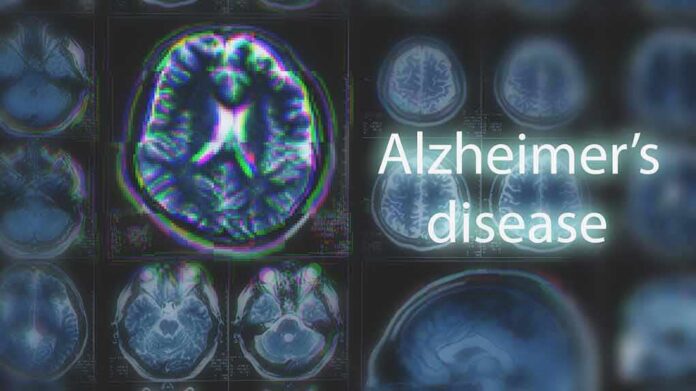
Researchers brought 37 people with early-stage Alzheimer’s disease into a sleep lab. Each person completed two nights, 14 days apart. Before sleep, they learned 30 word pairs. On one night, the team delivered 50-millisecond pink-noise bursts at the peak of each slow brain wave. On the other night, they delivered no sound. The next morning, people recalled on average 0.88 more word pairs after the sound night, which the group framed as about a 19 percent gain.
The design used a closed-loop system. The computer watched each participant’s slow waves in real time and fired a brief pulse right at the top of a wave. That timing is the point. It tries to strengthen the brain’s own slow oscillations that help stabilize fresh memories. The researchers did not play constant background noise. They delivered small nudges only when the brain signaled the right moment, like a spotter helping a lifter finish a good rep.
Why pink noise could matter for memory
Slow-wave sleep supports the transfer of new facts from short-term storage toward long-term networks. Timed sound can boost the size of those slow waves and sync them with other helpful rhythms. Independent work from the Massachusetts Institute of Technology found that brief, phase-locked sounds increased both slow electrical waves and waves of cerebrospinal fluid during sleep in healthy adults. The team suggested that stronger fluid waves might aid waste clearance tied to brain health, a plausible link to disease risk.
Specialists have tested this sound approach in related groups. A review highlights a Northwestern-affiliated pilot in people with amnestic mild cognitive impairment that used the same 50-millisecond, phase-locked pink-noise method with word-pair recall as the outcome. A 2025 effort extended pink-noise stimulation across 14 nights in mild-to-moderate Alzheimer’s disease. Together, these studies form a cautious, stepwise trail from mechanism to clinical signals.
How to read the size of the effect
The average lift was less than one word pair. That is small, and the team said the clinical meaning is not yet clear. Still, an outside sleep-memory expert called the result meaningful in theory and aligned with what decades of work say about sleep rhythms and memory storage. In other words, the bump fits the rulebook, even if it does not rewrite it. The report came via a preprint, so peer review is still ahead.
Broader evidence says sleep-based memory aids often show modest wins that depend on timing and precision. A meta-analysis on targeted memory reactivation found small-to-moderate benefits across several tasks, especially in deep non-rapid-eye-movement sleep. A separate analysis of acoustic stimulation mapped a clear pattern over time, with early strong results shrinking in later studies as methods improved and biases fell, which argues for bigger, blinded, sham-controlled trials.
What comes next: from lab blips to real life
The next fair tests are simple to state and hard to run. First, publish full methods and statistics, then repeat the study in larger, randomized, double-blind, sham-controlled trials. Second, move beyond next-morning word pairs. Track global thinking, daily function, and sleep quality over months. Third, test at home with real gear and older ears. Adherence, varying hearing, and sleep problems can blunt results outside the lab. Fourth, measure amyloid and tau directly if disease impact is the goal.
One more hinge question remains practical and technical. Does the benefit come from pink noise itself, the precise timing, or both? A smart factorial trial could compare on-target pink noise, off-target pink noise, other sound colors, and silent sham at equal loudness. That would tell developers what to build, doctors what to recommend, and families what to try. The current report points a way forward. The next phase must prove it matters where it counts: in daily life over time.
Sources:
newscientist.com, onlinelibrary.wiley.com, news.mit.edu, link.springer.com
© truthandliberty.com 2026. All rights reserved.