A rising pop star now faces murder and child-sex charges after investigators say his pregnant underage girlfriend was pushed into an abortion, then killed and dismembered to protect his career.
Story Snapshot
- Prosecutors say singer David Burke (“D4vd”) groomed, impregnated, and pressured a 13-year-old girl to abort before later killing her.
- The 14-year-old’s dismembered remains were found months later in the front trunk of Burke’s impounded Tesla.
- Burke has been charged with first-degree murder, continuous sexual abuse of a child under 14, and mutilation of human remains.
- His lawyers insist he is innocent and call the investigation sloppy, while a judge has ruled there is enough evidence for trial.
How a hidden relationship became a murder and abuse case
Los Angeles County prosecutors say musician David Burke, known as D4vd, carried on a secret sexual relationship with Celeste Rivas Hernandez starting when she was about 13 and he was a rising adult performer. Investigators testified that Celeste became pregnant during this period and that Burke pressured her to get an abortion roughly a year before she died. This is central to the state’s story: a powerful adult using fame and money to control a vulnerable minor, then trying to erase the evidence of both the relationship and the pregnancy.
According to charging documents and court testimony, Burke did not stop contact after the abortion. Prosecutors presented thousands of text messages they say show ongoing sexual conversations, emotional control, and talk about keeping the relationship secret. For many Americans, this taps into a wider fear that famous men can break rules ordinary people must follow and that systems meant to protect children often fail until the worst happens.
The night Celeste vanished and what investigators say happened
Prosecutors say Burke arranged an Uber on April 23, 2025 to pick up 14-year-old Celeste from her home in Lake Elsinore and drive her to his rented house in the Hollywood Hills. Digital records and messages are said to place her at his home that night; after that, she was never heard from again. Investigators and a medical examiner now believe she was stabbed to death that evening, though her body was not found for months.
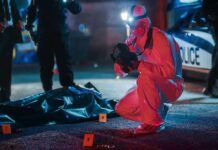
Months later, workers at a Hollywood tow yard discovered dismembered human remains in the front trunk of an impounded Tesla registered to Burke. The Los Angeles County Medical Examiner ruled the death a homicide caused by “multiple penetrating injuries” from one or more objects. A homicide investigator testified that after Celeste’s death Burke bought chainsaws, a shovel, an inflatable pool, a body bag, and even a burn cage, which prosecutors say were used to cut up and attempt to destroy her body. This mix of car records, online shopping, and forensic findings gives the case a modern, digital trail that many readers now expect in high-profile crimes.
Charges, defense response, and the road to trial
In April 2026, prosecutors charged Burke with first-degree murder, continuous sexual abuse of a child under 14, and unlawful mutilation of human remains. District Attorney Nathan Hochman said Burke killed Celeste “for financial gain” to keep his “very lucrative” music career from being ruined if she exposed their relationship and pregnancy. The state’s timeline ties the killing to key career moments, including tour ticket sales and album plans, arguing that protecting his brand was part of the motive.
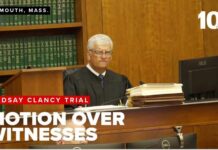
Burke has pleaded not guilty to all counts and is being held without bail. His lawyers say the real evidence will show he “did not murder” Celeste and was “not the cause of her death,” and they accuse police of a “sloppy investigation” and a rush to judgment. A judge has already ruled there is enough evidence for the case to go to trial, based on days of testimony, crime scene photos, and digital records. That ruling does not decide guilt, but it does mean jurors will eventually weigh the gruesome details, the pregnancy and abortion claims, and the alleged career-protection motive.
Why this case hits a nerve on both sides of politics
This case lands in a country where many citizens already feel the justice system bends for the rich and famous. The idea that a well-known singer could groom a child, pressure her into an abortion, then kill and dismember her to keep making money fits fears held by conservatives and liberals alike about elites who see ordinary lives as disposable. It also raises hard questions about how a 13-year-old girl ends up in a sexual relationship with an adult public figure without earlier intervention from schools, social services, or law enforcement.
A judge has ruled there’s enough evidence to send singer D4vd to trial for the killing of 14-year-old Celeste Rivas Hernandez. The Los Angeles judge on Monday decided the evidence presented during a… https://t.co/XhGqWHPA49
— Chron (@chron) July 28, 2026
At the same time, the heavy media focus and graphic details risk turning a complex legal case into simple shock entertainment. Coverage often blurs the line between “charged” and “proven,” which worries people who distrust the state and big media. For now, the public record shows a detailed, disturbing story built from texts, autopsy findings, online orders, and car data—and a firm denial from Burke’s defense. How the jury handles that clash will say a lot about whether everyday Americans believe the system can still deliver real justice when fame, money, and a child victim are all involved.
Sources:
insiderpaper.com, abcnews.com, abc7.com, bbc.com, youtube.com, abc7news.com, en.wikipedia.org, instagram.com
© truthandliberty.com 2026. All rights reserved.