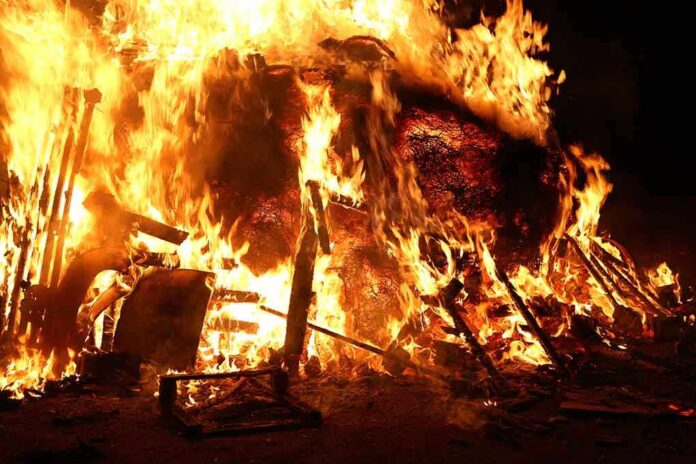
A blaze at the COP30 climate summit in Brazil exposed glaring vulnerabilities in globalist event planning, raising new questions about safety and priorities at these high-dollar international gatherings.
Story Snapshot
- Major fire disrupted COP30 negotiations, forcing mass evacuation and medical response.
- Incident followed recent security breaches, amplifying concerns about event safety and oversight.
- Thirteen delegates required treatment for smoke inhalation before the fire was controlled.
- Summit operations were temporarily suspended, highlighting risks in the push for climate diplomacy.
Fire Erupts Amid High-Stakes Climate Talks
On November 21, 2025, a significant fire broke out at the COP30 conference venue in Belém, Brazil, abruptly halting ongoing climate negotiations. The fire triggered alarms in the afternoon, prompting the immediate evacuation of delegates, staff, and media from the Blue Zone—the main area for official talks. With thousands present and diplomatic stakes high, the incident quickly sowed confusion and fear, temporarily suspending critical negotiations that global leaders had already warned could run into overtime due to unresolved issues.
The fire was brought under control within approximately six minutes, a rapid response that likely prevented a far worse tragedy. Even so, thirteen individuals suffered from smoke inhalation and required medical attention onsite. The swift evacuation and emergency response underscored both the challenges and the necessity of robust safety measures at international gatherings that attract worldwide attention, especially as security concerns had already been heightened by protests and breaches earlier in the week.
Safety Lapses and Ongoing Security Concerns
This fire came on the heels of a security breach just days prior, when protesters entered the event venue and injuries were reported. Together, these incidents have drawn scrutiny to the decision to host such a massive summit in temporary structures like tents and pavilions, which may have contributed to the rapid spread of flames. For many, this raises fundamental questions about the wisdom of prioritizing symbolic climate diplomacy over the concrete safety and security of participants—especially when taxpayer dollars and national reputations are on the line.
While the fire was contained and no fatalities were reported, the event organizers had to close the venue for a full safety assessment. The Blue Zone, where high-level negotiations take place, resumed operations only after organizers declared the area safe at 8:40 PM that evening. However, the specific area affected by the fire remained off-limits for the rest of the summit, a stark reminder of the persistent risks and vulnerabilities inherent in these sprawling, globally orchestrated events.
Impact on Negotiations and Global Perceptions
The temporary suspension of talks not only cost valuable negotiation time but also heightened anxieties among delegates and observers. With the summit already under pressure to deliver ambitious outcomes, the disruption threatened to undermine the momentum of key discussions. For host nation Brazil, the incident cast a shadow over its international reputation, potentially prompting future hosts to reconsider both venue selection and risk management protocols for such high-profile events. The economic costs of emergency response, medical care, and potential venue repairs add to the burden, while the social and political fallout may reverberate long after the summit concludes.
For American conservatives, the COP30 fire incident serves as a cautionary tale about the dangers of putting globalist agendas above practical governance and common-sense safety. It also highlights the importance of demanding accountability and transparency from both domestic and international organizers who, too often, seem more focused on virtue signaling than on ensuring the well-being of those directly involved.
Expert Perspectives and the Path Forward
Event safety experts and climate policy analysts are likely to scrutinize the COP30 incident for years to come. The use of temporary structures and apparent lapses in emergency preparedness provide a case study in what can go wrong when ideology overshadows logistics. Scholars and public health professionals will review the effectiveness of the emergency response, while critics may argue this episode reveals systemic vulnerabilities in the way global summits are planned and executed. Others may commend the rapid containment and minimal injuries, but the underlying lesson is clear: robust, commonsense safety protocols must take precedence over spectacle and symbolism, especially when the risks are this high.
Huge blaze engulfs Cop30 conference venue: Video https://t.co/Cq91paG1ZJ pic.twitter.com/mJUkRQo4E9
— The Independent (@Independent) November 21, 2025
As the summit resumes, the world will watch to see if organizers learn from this wake-up call—or if the push for grand gestures continues to outpace responsible planning. For readers who value American security, fiscal responsibility, and the primacy of national interests, the COP30 fire is a reminder to stay vigilant and demand better from those who claim to act in the global good.
Sources:
The Blue Zone has been reinstated and resumed operations as of 8:40 PM today