The erasure of 9/11 from collective memory threatens to undermine the lessons learned from that fateful day.
Story Highlights
- 9/11’s impact on U.S. policy and global security remains significant.
- Commemorations continue, but public memory is fading.
- Ongoing declassification of documents reveals new insights.
- Security measures and counterterrorism remain top priorities.
The Enduring Legacy of 9/11
On September 11, 2001, terrorists affiliated with al-Qaeda executed a coordinated attack on the United States, killing nearly 3,000 people. This unprecedented act of terrorism targeted the World Trade Center and the Pentagon, symbols of American economic and military power. It fundamentally reshaped U.S. domestic and foreign policy, leading to the War on Terror and the establishment of the Department of Homeland Security.
The attacks prompted a global reevaluation of security protocols and fueled changes in international relations. Despite the passage of time, the memory of 9/11 continues to influence policies and societal attitudes, though many feel its significance is fading from public consciousness.
Ongoing Developments and Memorials
Recent developments include the declassification of intelligence documents, shedding light on the intelligence lapses that preceded the attacks. Survivors and first responders continue to face health challenges, prompting ongoing policy reviews and compensation efforts. Annual memorial services serve as a reminder of the tragedy’s impact, though the public’s engagement has waned over the years.
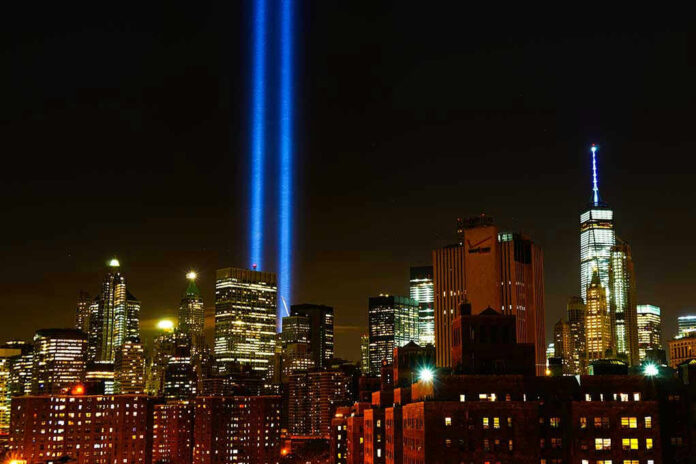
The site of the World Trade Center has been transformed into the National September 11 Memorial & Museum, a focal point for remembrance and education. However, some argue that as new generations emerge, the emotional resonance of 9/11 diminishes, risking the erosion of its lessons.
Impact and Implications
The short-term impacts of 9/11 included immediate loss of life, destruction, and a wave of global solidarity. Long-term effects have been profound, including U.S. military interventions in the Middle East and expanded surveillance measures. These actions have sparked debates over civil liberties and national security, reflecting the attacks’ enduring influence on policy and public discourse.
Economic sectors, particularly aviation and insurance, underwent significant changes post-9/11. The attacks also catalyzed intelligence reforms aimed at preventing future threats, although challenges in inter-agency cooperation persist. As we approach another anniversary, the imperative to balance security with freedoms remains a focal point for policymakers.
Sources:
Timeline for the day of the September 11 attacks
September 11 Terrorist Attacks
September 11, 2001 Terrorist Attacks