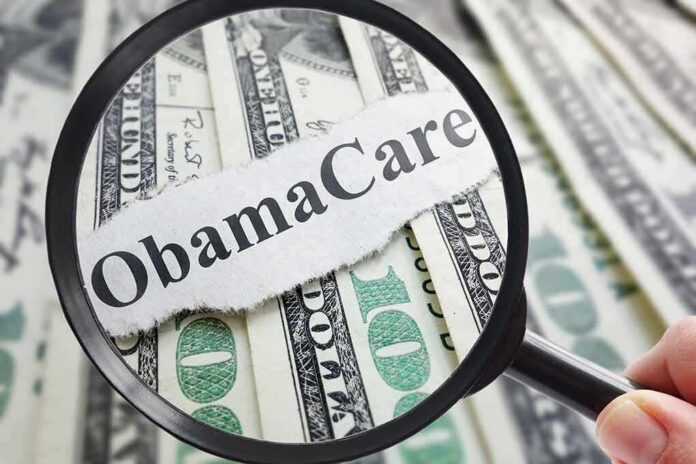
Vice President JD Vance said 750,000 people are being removed from Obamacare after officials flagged sham sign-ups and “phantom people,” with an estimated $2.2 billion in taxpayer savings on the line.
At a Glance
- The White House says about 750,000 to 760,000 enrollments are being canceled due to suspected fraud.
- Officials cited fake identities, sign-ups without consent, and broker-driven schemes.
- Roughly 419,000 more enrollees face extra checks to confirm eligibility.
- Projected savings of $2.2 billion reflect payments the government says it will stop.
The Announcement: Who Gets Removed and Why It Happened Now
The White House said the Centers for Medicare and Medicaid Services would cancel coverage for about 750,000 to 760,000 people tied to improper or fraudulent Affordable Care Act enrollments. Vance described some as “phantom people” who may not exist or were signed up without consent. The administration connected the crackdown to a surge of suspicious enrollments and weak identity checks during recent growth in marketplace sign-ups, which raised red flags for program integrity and taxpayer costs.
Officials said they would also place about 419,000 additional enrollees into enhanced verification, signaling a broader sweep beyond the first wave of removals. The numbers vary by outlet because some reports cite people removed while others cite plans or accounts, but all describe the same operation: a national scrub of eligibility and identity to block suspect subsidies and shut down ghost enrollments before the next plan year.
How the Fraud Worked: Brokers, Ghosts, and Subsidy Gaming
Reports tied much of the problem to broker abuse. Officials and coverage pointed to schemes where agents allegedly enrolled people without consent, moved them between plans, or used fake identities to trigger commissions and subsidies. One described case involved about 40 brokers and tens of thousands of sign-ups with large commission payouts, highlighting a financial motive to boost volume by any means. Federal analysts and watchdogs have warned for years that identity proofing and plan-switch controls were not strong enough to stop such tactics.
The government responded with tougher identity checks for agents, including login.gov or ID.me verification, and a six-month national pause on new Obamacare broker registrations to stop fresh abuse while fixes roll out. The administration also cited canceled subsidy flows tied to hundreds of thousands of questionable enrollments as a sign the pipes are finally tightening. That action puts insurers and intermediaries on notice that back-end data checks have real bite this time.
What the Savings Mean—and What They Do Not
Officials framed the $2.2 billion as taxpayer money that will not go out the door because flagged accounts will no longer receive subsidies. That means it is a prevented-spending estimate, not cash recovered from past fraud. The figure reflects expected payments that stop when enrollments are canceled or fail new verification. The point is simple: if a person is not eligible or is not real, the public should not pay a monthly subsidy on their behalf. That aligns with basic program-integrity math and common sense.
▫️🇺🇸 Trump Administration Removes 760,000 Obamacare Enrollees, Citing Fraud▫️
🏥 760,000 people affected: The Centers for Medicare & Medicaid Services (CMS) canceled roughly 315,000 ACA Marketplace enrollments covering more than 760,000 individuals on Aug. 31. CMS says the…
— Washington Report (@Washington_Rep) September 22, 2026
Critics argue the sweep could hit eligible people and that the “fraud” label can blur lines between paperwork lapses and intent to deceive. Advocacy groups called the move a political stunt and a smokescreen to kick people off coverage. Those are forceful claims, but they do not present counter-data that refute the core facts of the government’s announced removals and controls. The essential debate here is precision, process, and how well appeals will sort honest mistakes from real scams.
Numbers, Nuance, and Guardrails for Fairness
Coverage features different counts—people, plans, and accounts—which has created confusion. Some outlets reference 315,000 canceled plans covering roughly 760,000 people, while others cite the 750,000 headline figure. All point to the same event window and enforcement thrust: identity, eligibility, and consent checks scaled nationwide. The decisive test will come next. Clear appeal routes, fast re-verification, and public reporting on outcomes must confirm that fraudsters stay out while eligible families stay covered.
The Bottom Line for Taxpayers and Patients
Stopping fake enrollments protects scarce health dollars, which resonates with most Americans who pay the bill. The job now is to finish the cleanup without punishing the rule followers. Targeted identity proofing, strict broker oversight, and transparent appeals can do both. If the government keeps publishing results—how many removals stick, how many are restored, and how much money is truly saved—trust in the crackdown will grow and the ghost enrollees will finally lose their grip on our wallets.
Sources:
facebook.com, abcnews.com, yahoo.com, abcnews4.com, foxnews.com, washingtonexaminer.com, fox23.com, kffhealthnews.org, time.com
© truthandliberty.com 2026. All rights reserved.