New York’s mayor conceded he cannot arrest Israel’s leader, yet the trip still became a test of who actually holds power over global justice inside the United States.
Story Highlights
- New York Mayor Zohran Mamdani said the city lacks legal authority to arrest Benjamin Netanyahu on an International Criminal Court warrant.
- Mamdani shifted to urging the federal government to enforce the warrant and consider joining the court.
- Netanyahu vowed to speak at the United Nations and denounced Mamdani’s remarks as dangerous and antisemitic, while Israel denies the court’s charges.
- The United States is not a member of the International Criminal Court, so enforcement hinges on federal policy, not a city order.
What Prompted The Clash Over Arrest Power
Wire services reported that the International Criminal Court issued arrest warrants for Prime Minister Benjamin Netanyahu and a former defense chief in 2024, tied to the Gaza war. The warrants allege crimes including using starvation as a method of warfare and targeting civilians, which Israeli officials deny. The legal step raised travel stakes. It also fueled sharp debate in the United States over whether any American authority could detain a visiting head of government on that basis.
Mayor Zohran Mamdani first backed using the warrant, then said his team reviewed the law and found New York City lacked independent authority to execute it. He asked the federal government to enforce the warrant and pressed the idea that Washington should join the court to close the gap between paper rules and real action. That move shifted the focus from City Hall to the White House and Congress, which control foreign policy and treaty choices in the United States.
Netanyahu’s Response And The Political Backdrop
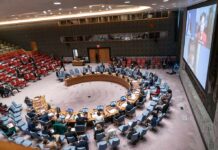
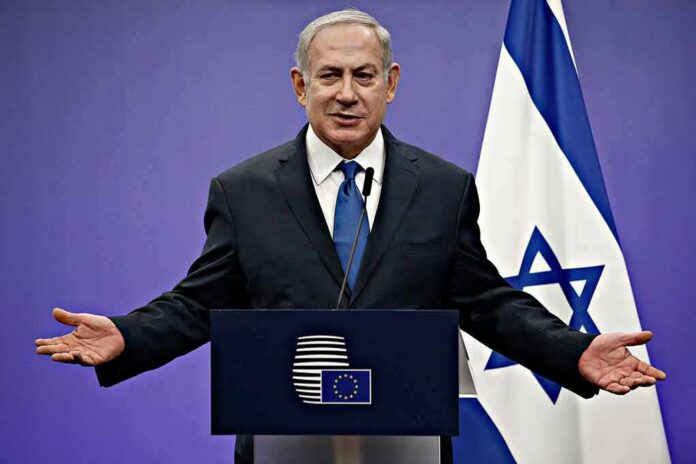
Netanyahu said he would come to New York for the United Nations and “tell the truth” about Israel’s actions, while allies argued Mamdani was doing politics, not law. Netanyahu accused the mayor of inciting against Jews, hardening the fight over whether the criticism targeted policy or people. The Associated Press noted that the United States is not bound to enforce the court’s warrants, and New York City cannot execute them on its own, which undercut talk of a local arrest.
The core facts now sit in tension. The court’s warrant exists and draws serious allegations. Israel rejects those claims and disputes the charges as unfair and false. The United States, unlike many allies, is outside the court’s system, so any arrest would require a federal choice to cooperate. That leaves a familiar gap between international law on paper and real enforcement inside a non-member country.
Why This Matters Beyond One Trip To New York
This dispute shows how big global issues crash into local politics. A city leader spoke to moral outrage and law, but hit a wall of jurisdiction. A national leader under a warrant used the trip to defend his record and attack critics. Citizens on the left and right see officials fight while urgent problems go unsolved. Many conclude powerful people write one rulebook for themselves and another for everyone else—a view this episode may reinforce.
Israeli Ambassador to the United Nations Danny Danon has called for the arrest of New York City Mayor Zohran Mamdani, sharply escalating an already heated dispute ahead of Israeli Prime Minister Benjamin Netanyahu’s expected visit to New York for the United Nations General… pic.twitter.com/reAvn0MXYj
— Shiri_Sabra (@sabra_the) September 21, 2026
For readers asking what comes next, the key lever is federal action. Congress and the executive branch decide whether the United States engages with the court, honors warrants, or maintains distance. Without that step, local promises cannot become arrests. With that step, diplomatic and security costs would rise. That tradeoff explains why this fight is loud on television but quiet in law. The process favors the well connected, not the everyday American seeking clear, fair rules.
Sources:
english.ahram.org.eg, bbc.com, reuters.com, ecchr.eu, pbs.org, jpost.com
© truthandliberty.com 2026. All rights reserved.