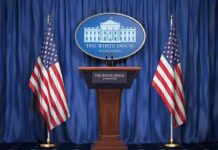
Google has begun showing “Lake America” instead of Lake Ontario for U.S. users, days after President Trump ordered the federal government to rename one of the Great Lakes in the middle of a trade fight with Canada.
Quick Take
- President Trump signed an executive order renaming Lake Ontario “Lake America” for U.S. federal use, effective immediately.
- Google Maps updated labels for American users, following the same pattern it used after the Gulf of Mexico became the “Gulf of America.”
- Canadian Prime Minister Mark Carney and Ontario Premier Doug Ford both said Canada will keep calling it Lake Ontario “now and always.”
- The Seneca Nation says the change breaks a 225-year-old treaty and disrespects Indigenous history around the lake.
- The order only controls U.S. government records — it has no legal power over Canada or international maps.
Trump Orders A New Name For A Great Lake
President Trump signed the order Thursday in the Oval Office, telling reporters, “This is official, effective immediately”. The order tells Interior Secretary Doug Burgum and the Board on Geographic Names to update the federal naming system within 30 days. Trump framed the move as part of his ongoing trade war with Canada, which has already led to steep tariffs on goods crossing the border.
The White House order points to a section of federal law that lets the Interior Department set names for use “within United States territory,” language officials used to justify applying the label even though Lake Ontario sits on the U.S.-Canada border. The order follows a similar 2025 directive that renamed the Gulf of Mexico the “Gulf of America,” which also triggered pushback from Mexico and confusion over which name mapmakers should use.
Google Maps Follows Federal Records
Tech companies like Google have generally matched U.S. government naming records inside the country while showing older or local names elsewhere, a pattern already seen with the Gulf of America update. That means American users scrolling Google Maps now see “Lake America,” while users in Canada and most other countries likely still see Lake Ontario. Not every map service is following suit — MapQuest publicly said it would keep the original name unchanged.
The switch highlights a strange side effect of federal naming power: everyday tools people use to find directions or check weather can suddenly show two different names for the same body of water, depending on where the user is logged in from. It’s a small but visible sign of how a political fight over trade and national identity can spill into ordinary technology.
Canada Refuses To Recognize The Change
Canadian leaders rejected the name almost immediately. Prime Minister Mark Carney said the lake’s name predates both countries as nations and that Canadians will keep calling it Lake Ontario “then, now and always”. Ontario Premier Doug Ford went further, having a sign posted near the lake reading “Lake Ontario – Now and Always”.
Ford said bluntly, “He can change it to whatever he wants. But it will always be Lake Ontario to all Canadians and the rest of the world!”. Grand Chief Pierre Picard of the Wendat Nation in Quebec also condemned the order, adding an Indigenous voice from north of the border to the growing list of critics.
Ford says Trump renaming Lake Ontario is 'something out of Saturday Night Live' #TheHill https://t.co/Fp75ccI0Yr
— #TuckFrump (@realTuckFrumper) August 30, 2026
Seneca Nation Cites A 225-Year-Old Treaty
The pushback isn’t only international. Seneca Nation President J. Conrad Seneca said the order violates a treaty more than 225 years old and shows “blatant disrespect” toward Indigenous people who lived around the lake long before either the United States or Canada existed. His statement adds a domestic layer to the dispute, showing the renaming controversy isn’t purely a fight between two governments.
Legal experts note Trump does have the authority to change names for federal use, the same power presidents have used since the Board on Geographic Names was created in 1890. But that authority stops at the border. Nothing in the order forces Canada, international mapmakers, or private companies outside U.S. jurisdiction to adopt the new name, leaving “Lake America” as a label that exists in U.S. government paperwork and some apps, but nowhere else with any binding force.
For many Americans watching the trade war escalate, the lake’s new name is less about geography and more about how far a president can push symbolic power without congressional approval. Whether that authority is used wisely or wastefully during an active trade dispute is now part of the broader debate over how Washington spends its time and political capital.
Sources:
cbsnews.com, bbc.com, cnn.com, reuters.com, nytimes.com, theguardian.com
© truthandliberty.com 2026. All rights reserved.