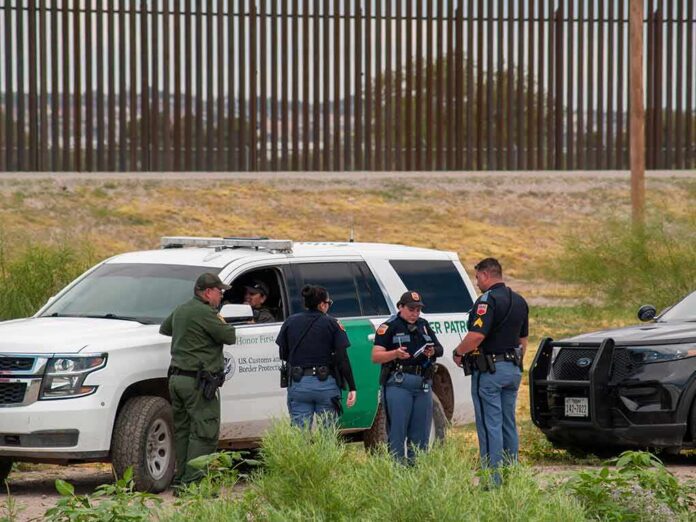
Cartels and smugglers along the U.S.-Mexico border have spent years dressing like the very officers sent to stop them, building fake uniforms, badges, and even cloned patrol trucks to slip past checkpoints.
Quick Take
- Mexican Marines busted a border-area factory making copies of Mexican military uniforms.
- Smugglers have built cloned Border Patrol vehicles, complete with stripes and light bars, to move people across the line.
- Recent arrests in Arizona show migrants and smugglers still using fake Border Patrol gear.
- Similar impersonation tactics appear in Mexico, Central America, and even Southeast Asia scam compounds.
A Factory Built to Fool the Military
Mexican authorities said in 2012 they had busted a factory in Piedras Negras, on the Texas border, where a cartel was allegedly making copies of Mexican military uniforms. The Mexican Navy said the goal was to “discredit” the Marines by letting criminals pass as soldiers. Marines found the workshop after an anonymous tip led them to hundreds of replica camouflage uniforms hidden inside.
Officers recovered hundreds of vests, camouflage pants, and shirts made to match real military gear, along with holsters and other equipment. The scale of the operation showed this wasn’t a one-time forgery job. It was a production line built to keep cartel members blending into legitimate security forces along a busy stretch of the border.
Cloned Trucks and Fake Badges Along the Border
U.S. Customs and Border Protection has repeatedly caught smugglers driving vehicles built to look like official Border Patrol trucks. In one case, agents stopped a four-door vehicle cloned to resemble a real Border Patrol unit that was being used to hide a human smuggling attempt. Fox News reported the tactic has kept expanding as President Trump’s administration has tightened border enforcement.
In a separate 2007 case near the border, armed men in what looked like a Mexican military patrol turned out to be imposters helping drug traffickers move through Texas. Mexico’s government confirmed the men were not real soldiers, which worried U.S. officials because it meant criminal groups felt safe driving military-style vehicles in the open.
Recent Arrests Show the Tactic Still Works
The pattern hasn’t slowed down. In February 2025, three men were arrested in Arizona for dressing as Border Patrol agents while trying to smuggle 24 migrants into the country, facing federal charges for the scheme. In April 2026, prosecutors said another man built a vehicle designed to mimic an undercover Border Patrol unit, complete with a windshield sticker, fake antennas, and a light bar.
South of the border, Mexican authorities arrested suspected Sinaloa Cartel members in Chiapas late last year who were posing as police officers to run illegal checkpoints near the Guatemala border. A Wikipedia summary of police impersonation cases notes cartel operatives have used fake uniforms and vehicles for years to smuggle both people and cash across the line.
Why the Pattern Keeps Repeating
None of this is new. Reports going back over a decade describe major trafficking groups, including the Gulf Cartel and Los Zetas, adopting uniforms, badges, and insignia to look official. One advisory even warned that cartel members might have gotten hold of vests marked “FBI” and “DEA” to trick rival gangs. Mexican soldiers have also found factories mixing fake uniforms with drone bombs and grenade launchers.
The common thread is simple: impersonating law enforcement buys criminal groups time and cover. Whether it’s a cloned truck, a counterfeit badge, or a full uniform workshop, the goal stays the same. For everyday Americans watching border security debates play out in Washington, these cases are a reminder that the threat isn’t abstract policy talk. It’s organized, funded, and built to look official.
Sources:
youtube.com, abcnews.com, x.com, foxnews.com, tookitaki.com, proceso.com.mx, nypost.com, insightcrime.org, khou.com, jornada.com.mx, latintimes.com
© truthandliberty.com 2026. All rights reserved.