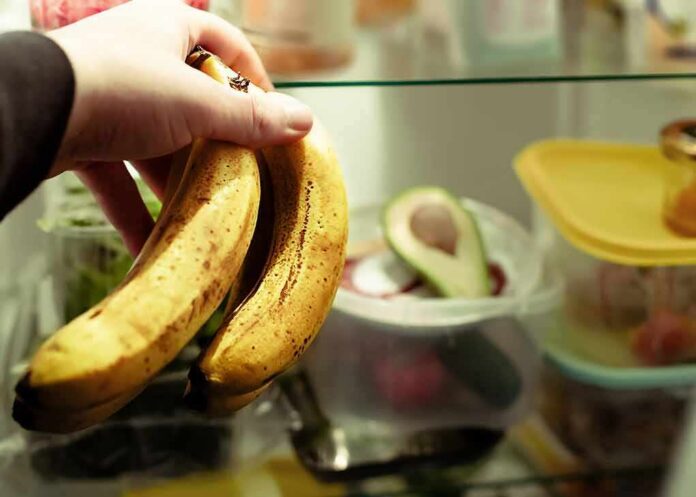
Italian police cut off a $286 million cocaine shipment hidden in bananas before it reached European streets.
Story Highlights
- Authorities found about 770 kilograms of high-purity cocaine in a banana container from Ecuador.
- The seizure happened at the port of Vado Ligure in northwest Italy, using a targeted inspection.
- Officials counted 650 bricks hidden among dozens of banana pallets inside a refrigerated container.
- Europe has seen record cocaine seizures, often concealed in banana shipments from Latin America.
What Police Found In The Banana Shipment
Italian financial police and customs officers said they seized about 770 kilograms, or 1,700 pounds, of high-purity cocaine at the port of Vado Ligure. The drugs were concealed among dozens of banana pallets inside a refrigerated container that arrived from Ecuador. Police valued the haul at about 250 million euros, or $286 million. Officials said the packages were arranged in 650 bricks, which were “extremely pure” according to early tests.
Authorities described a focused inspection that flagged the container at the northwest Italy port. Reporting from the scene said officers opened the refrigerated unit and uncovered the cocaine hidden within the cargo stacks. The bricks were placed to blend with the fruit and the cold-chain walls, a method traffickers have used before to shield scent and delay rot. The scale led officials to call it one of the larger seizures in the region this year.
Why Banana Shipments Keep Getting Targeted
Banana containers from Latin America are a known cover for cocaine smuggling into Europe. These loads move fast, demand steady cold temperatures, and pass through busy terminals, which give traffickers both speed and cover. Europe’s drug monitor reported European Union countries made 84,000 cocaine seizures totaling 323 tonnes in 2022, a record. In 2023, Spain reported its largest single seizure, 9.5 tonnes, also hidden in bananas from Ecuador, showing a clear pattern across ports.
Italian ports have seen repeat cases tied to this concealment method. Media accounts from Vado Ligure noted the bricks were stamped and stacked among pallets to look routine. Police messaging emphasized the cocaine’s high purity and packaging count, signs of a well-used route and careful planning. The method aligns with other European operations where customs and finance police focus on cold-chain containers from known risk origins to disrupt organized traffickers.
What This Means For Security And Trade
This seizure shows how traffickers exploit global supply chains that feed Europe’s grocery shelves. Shipping lines and port operators keep fruit moving on tight schedules, and smugglers aim to hide in that rush. Italian authorities say targeted checks, data analysis, and joint teams can still crack these loads, even when they move in plain sight. The win also hints at a larger flow that gets through, which is why each large bust raises questions about screening gaps and corruption risks.
🔴 Italian police seize $286M cocaine hidden in Ecuador banana shipment
Italian authorities at the port of Vado Ligure in northwest Italy seized 1,700 pounds of pure cocaine concealed in a refrigerated container of bananas on Tuesday. The drug carried an estimated street value… pic.twitter.com/2r0M5z6Zog
— NewsTongue (@NewsTongueX) July 21, 2026
For readers on both left and right, the case speaks to a shared worry: powerful networks can game complex systems while regular people pay the price in crime, addiction, and community harm. Europe’s steady rise in cocaine seizures points to strong demand and strong supply. Police can intercept big hauls, but lasting progress needs deeper fixes: cleaner ports, tighter customs analytics, and better cross-border work that tracks containers from farm to dock to warehouse.
What We Still Do Not Know
Police did not name the criminal group behind this shipment or announce arrests tied to the specific container. Officials also did not confirm the final destination within Europe or how many prior loads may have passed through the same route. Those unknowns matter because they show where enforcement hits a wall: linking a seized box to the network’s leaders, and proving who owned the drugs at each step of the chain.
Sources:
facebook.com, cbsnews.com, lefigaro.fr, trasportoeuropa.it
© truthandliberty.com 2026. All rights reserved.