Nigerian security forces freed dozens of schoolchildren held hostage for 56 days — without paying a single naira in ransom.
Story Snapshot
- Armed men attacked three schools in Oyo State on May 15, 2026, kidnapping nearly 50 pupils and teachers.
- A joint military and intelligence operation rescued the hostages after 56 days in captivity — with no ransom paid.
- Suspected Ansaru terrorists carried out the attack; several suspects were arrested during the rescue.
- Nigeria has suffered hundreds of school kidnappings since 2014, making this a rare unconditional rescue success.
Armed Men Hit Three Schools in a Single Day
On May 15, 2026, gunmen stormed three schools in Oriire Local Government Area of Oyo State in southwestern Nigeria. They abducted nearly 50 people — pupils, teachers, and even a toddler. Nigerian authorities linked the attack to suspected Ansaru terrorists, a militant group with ties to al-Qaeda. The assault was one of the most brazen school attacks in southern Nigeria in recent memory, sending shockwaves through the country.
The same day as the Oyo attack, more than 40 other children — some as young as two years old — were taken from schools in Borno State in Nigeria’s northeast. The back-to-back strikes on a single day showed just how bold and organized these kidnapping networks have become. Nigerian schools, it seemed, were no longer safe anywhere in the country.
A Rare Win: Intelligence-Led Rescue With No Ransom
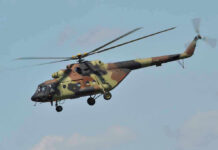
After 56 days, Nigerian security forces pulled off what officials called an intelligence-led rescue operation. Army spokesperson Lieutenant Colonel Danjuma Danjuma confirmed that troops, working alongside other security agencies, freed the hostages without giving the kidnappers anything in return. Several suspects were arrested during the operation. Videos of the arrests were later released to counter false claims that no rescue had taken place.
President Bola Tinubu’s spokesperson, Bayo Onanuga, was clear: no ransom was paid and no prisoners were exchanged. The government assembled a wide team for the mission — including the Department of State Services, the Nigerian Navy’s Special Forces, and the Nigerian Air Force’s Special Operations unit. Officials called it a rare multi-agency success. Families of the freed children celebrated across Oyo State.
A Crisis Decades in the Making
Nigeria’s school kidnapping problem did not start in 2026. Since 2014, at least 7,568 people have been taken in roughly 1,130 kidnapping cases across the country. The most famous case — the 2014 Chibok abduction — saw 276 schoolgirls taken by Boko Haram. More than 100 were still missing a decade later. School attacks have become a grim and repeated pattern, driven by weak security, poverty, and the fact that kidnapping pays.
Researchers who study Nigeria’s kidnapping crisis point to economic hardship and poor governance as the root causes. Armed groups have turned abduction into a business. In past cases, kidnappers collected millions in ransom before releasing victims. That makes this Oyo rescue stand out. If the government’s account holds up, it marks one of the few times Nigerian forces broke that cycle entirely — no payment, no deal, just a military operation that worked.
Questions That Still Linger
Independent verification of the full operation remains limited. Different sources reported different numbers of victims rescued — figures ranged from 39 to 46 depending on the outlet and timing of reports. Nigeria has a long history of official rescue claims that later proved incomplete or overstated. That pattern does not mean this rescue was faked — video evidence and multiple agency statements support the government’s account — but it does mean outside observers will watch closely for follow-up details.
Sanwo-Olu commends joint security forces over rescue of abducted Oyo schoolchildren, teachers
Lagos State Governor, Babajide Sanwo-Olu, has lauded the safe rescue of the schoolchildren and teachers who were abducted by gunmen in Ogbomoso, Oyo State, describing the breakthrough… pic.twitter.com/nONzgxcWSo
— News Round The Clock (@NRTCNigeria) July 13, 2026
What is not in dispute is this: children who were taken from their classrooms came home alive. For their families, that is what matters most. The harder question — why Nigerian schools remain targets year after year — is one the government has yet to fully answer. Until the root causes of poverty, weak governance, and armed militancy are addressed, the next attack is likely only a matter of time.
Sources:
youtube.com, punchng.com, facebook.com, lemonde.fr, instagram.com, nature.com, fairplanet.org
© truthandliberty.com 2026. All rights reserved.