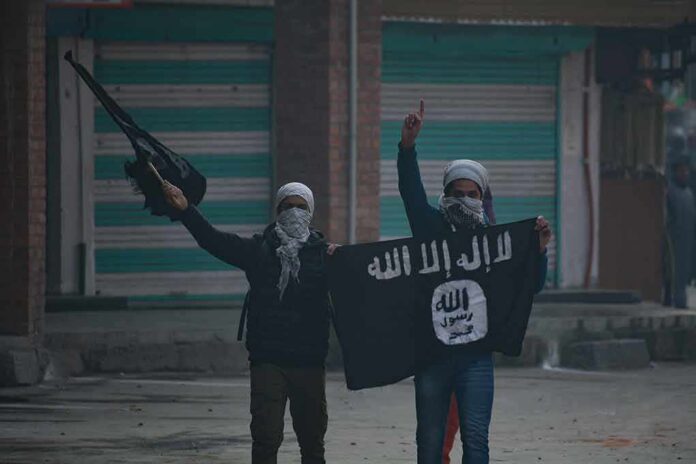
ISIS’s renewed call for Muslims to kill Christians and Jews in Europe and the US—especially in France—highlights the persistent threat radical extremism poses to Western values, religious freedom, and national security.
Story Snapshot
- ISIS propaganda explicitly urges attacks against Christians and Jews, focusing on France as a primary target.
- France’s leadership in anti-ISIS coalitions and history of Islamist terror attacks make it especially vulnerable.
- Loss of territory has pushed ISIS toward decentralized, propaganda-driven incitement of lone-wolf attacks.
- Ongoing threats fuel debates about immigration, integration, and the defense of Western constitutional values.
ISIS Propaganda Targets France and the West
ISIS, through its Arabic-language propaganda magazine, has issued a direct call for Muslims to use any means necessary to kill Christians and Jews, with France singled out as a focal point. This directive is not new; it has been a recurring theme since ISIS’s rise in 2014, intensifying after the group’s major territorial defeats in Iraq and Syria. The explicit targeting of France reflects both its military role in anti-ISIS coalitions and its tragic history of Islamist attacks, including the 2015 Paris massacre and the 2016 Nice truck attack. These propaganda efforts are designed to incite lone-wolf terrorism and exploit social tensions, threatening Western societies that cherish religious liberty and individual rights.
The use of Arabic-language media enables ISIS to radicalize a global audience, aiming to turn ordinary citizens into vehicles of violence. By calling for attacks by “any means available,” ISIS seeks to destabilize communities and provoke sectarian conflict—not only in France but across Europe and the United States. For conservative readers, this is a stark example of how unchecked extremism and failed border policies can endanger public safety and erode the foundational freedoms that Americans hold dear.
France’s Unique Vulnerability and Response
France’s prominent role in fighting ISIS—militarily and diplomatically—has made it a symbolic and practical target for jihadist propaganda. French authorities have responded with heightened security, especially during religious holidays, and ongoing counter-terrorism operations. The government faces the challenge of balancing civil liberties with the need for vigilance, as communities grapple with the fear and disruption caused by repeated threats. These realities have fueled heated debates in France and beyond over immigration, integration, and the defense of traditional values against foreign ideologies that reject Western principles of tolerance and the rule of law.
ISIS’s explicit incitement has also placed additional strain on interfaith relations and social cohesion, with religious minorities—particularly Christians and Jews—bearing the brunt of the threat. Muslim communities, meanwhile, risk increased scrutiny and stigmatization, even as the vast majority reject extremism. The enduring threat underscores the importance of strong national security, robust immigration controls, and community engagement to prevent radicalization and protect American and European values.
Ongoing Impact and Broader Implications
ISIS’s territorial defeat has not ended its capacity to inspire violence. Its online propaganda continues to motivate isolated individuals, making lone-wolf attacks a persistent threat. Short-term consequences include heightened security alerts and fear among religious minorities, while long-term effects involve ongoing radicalization risks and the need for continued vigilance. The economic costs of counter-terrorism, the strain on interfaith relations, and the political battles over immigration and civil liberties all reflect the wider impact of these threats. For American conservatives, the story reinforces the urgent need to defend the Constitution, uphold national sovereignty, and maintain clear-eyed policies that prioritize security and the rights of law-abiding citizens above all.
Expert analysis confirms that ISIS’s propaganda remains a potent danger, particularly in countries with active anti-ISIS roles or unresolved social tensions. While some observers contend that these calls reflect the group’s desperation amid declining power, others warn that the risk of online radicalization cannot be underestimated. The importance of robust intelligence, community resilience, and steadfast commitment to Western values remains as critical as ever in the face of threats designed to undermine freedom, family, and faith.
Sources:
Persecution of Christians by the Islamic State – Wikipedia
France faces terrorism after attack in Nice – America Magazine