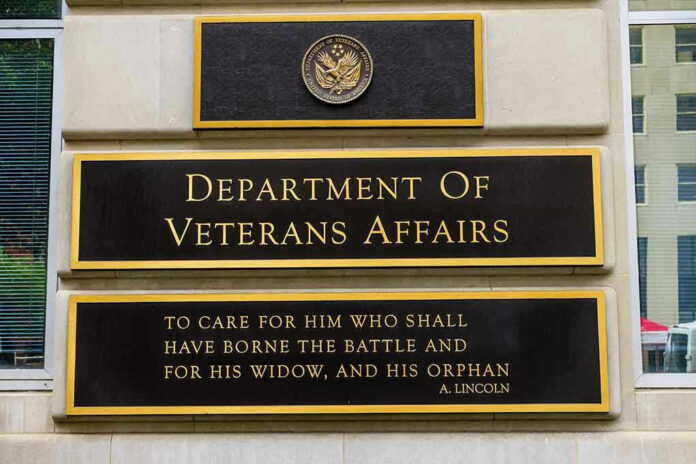
Veterans are facing dangerously long wait times for medical care as government-run VA hospitals grapple with the largest staffing crisis in history—leaving those who served our country at risk while bureaucrats slash jobs and demand surges.
Story Snapshot
- Severe staffing shortages at all 139 VA medical centers have soared by 50% in 2025.
- Nearly 30,000 VA jobs are being cut amid rising demand from new veteran healthcare laws.
- Doctors, nurses, and psychologists are the hardest to recruit, threatening care quality and access.
- Veterans and rural communities suffer most, as the system strains under federal workforce reductions.
VA Hospital Staffing Crisis Surges as Demand Rises
In 2025, the Department of Veterans Affairs (VA) Office of Inspector General (OIG) reported an unprecedented 50% spike in severe staffing shortages across all 139 Veterans Health Administration (VHA) facilities. The number of critical shortages jumped from 2,959 in 2024 to 4,434 in 2025, with doctors, nurses, and psychologists hardest hit. This surge comes as federal mandates expand eligibility, driving up patient loads at a time when the VA is actively reducing its workforce by nearly 30,000 positions. The system now faces a perfect storm: more veterans need care while fewer medical professionals are available to serve them.
Veteran healthcare centers—long regarded as a lifeline for those who put their lives on the line—have struggled for years with chronic staffing shortages. Legislative efforts like the Veterans Access, Choice, and Accountability Act (VACAA) and the VA Choice and Quality Employment Act (VCQEA) were intended to streamline hiring, but red tape and competitive labor markets have left these reforms largely ineffective. The 2022 Honoring our PACT Act expanded eligibility for care, particularly for veterans exposed to toxic substances, dramatically increasing demand. Despite these reforms, recruitment remains a persistent challenge, especially in rural and underserved regions where VA facilities are often the only option.
Workforce Cuts Collide with Rising Patient Loads
The VA’s leadership has announced plans to reduce staff by nearly 30,000 by the end of fiscal year 2025, primarily through attrition and hiring freezes rather than layoffs. This aggressive reduction comes as the agency faces budget constraints, but critics argue it’s a misguided move amid surging demand. The OIG’s August 2025 report confirms every VA medical center is affected, with shortages spanning both clinical and nonclinical roles—including police and security. Congressional leaders and veteran advocacy groups have sounded alarms, warning that these cuts undermine access to timely and quality care for veterans, and risk eroding public trust in the VA system.
Veterans bear the brunt of these decisions. Longer wait times, reduced appointment availability, and increased staff burnout are now commonplace. The impact is most severe in rural communities, where alternatives to VA care are limited or nonexistent. Many fear that the continued erosion of VA care capacity will force veterans into the private healthcare market, driving up costs and further straining an already overburdened system. Political fallout is growing, as lawmakers and advocacy groups demand urgent reforms to protect those who served.
Expert Perspectives and Policy Implications
Health workforce experts have repeatedly warned that national shortages in nursing and specialized medical fields make VA recruitment especially difficult. Policy analysts argue that the demand spike from the PACT Act was foreseeable, and proactive measures should have been taken to bolster staffing. The OIG’s authoritative reports highlight structural issues that expanded hiring authorities have failed to resolve. While VA leadership insists workforce reductions are necessary to meet budget targets, many experts contend that such cuts are counterproductive and threaten the very mission of veteran care. The crisis underscores a broader debate: should fiscal discipline come at the expense of our nation’s commitment to veterans?
The situation is further complicated by rising competition for healthcare workers nationwide, making it even harder for the VA to attract and retain talent. Unions and professional associations are pushing for safer staffing levels, warning that current policies risk staff burnout and a decline in care standards. Congressional oversight remains crucial, but political pressures and budgetary constraints continue to shape outcomes. As the system strains under the weight of new mandates and workforce cuts, the message is clear: without immediate action, the promise of high-quality care for America’s veterans may remain dangerously out of reach.
Sources:
VA Workforce Cuts Impact Veterans Healthcare
OIG Determination: Veterans Health Administration’s Severe Staffing Shortages
VAOIG August 2025 Staffing Shortages Report
Ranking Member Takano Statement on Severe VA Staffing Shortages
VA to Reduce Staff by Nearly 30k by End of FY2025