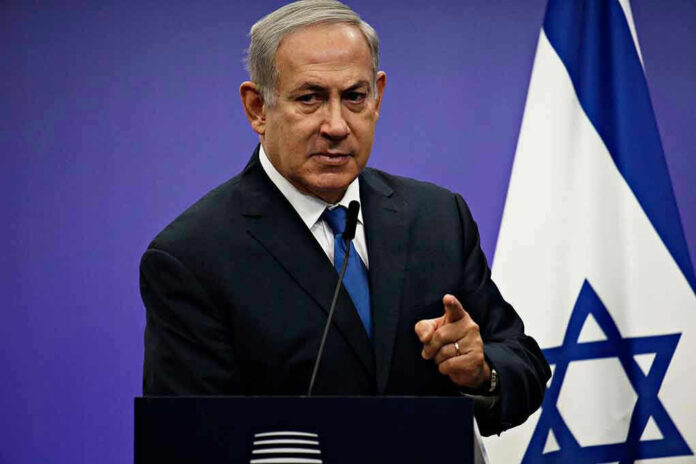
President Trump’s explosive confrontation with Netanyahu over Gaza peace negotiations exposes deep fractures in the U.S.-Israel alliance as America-first diplomacy clashes with Israeli political calculations.
Story Highlights
- Trump unleashed on Netanyahu with profanity-laced criticism after the Israeli PM expressed skepticism about Gaza peace prospects
- The confrontation occurred after Trump’s ambitious 20-point Gaza peace plan faced resistance from both Hamas and Israeli leadership
- Netanyahu’s opposition to Palestinian statehood directly conflicts with Trump’s comprehensive peace framework
- Trump issued ultimatum threatening Hamas with “complete obliteration” while battling Netanyahu’s negativity behind closed doors
Trump’s No-Nonsense Diplomacy Meets Israeli Resistance
President Trump’s September 29 announcement of his comprehensive 20-point Gaza peace proposal marked a decisive moment in Middle East diplomacy. However, Israeli Prime Minister Benjamin Netanyahu’s immediate skepticism triggered an unprecedented verbal confrontation. Trump reportedly told Netanyahu to stop being “so f***ing negative” during tense White House discussions. This blunt exchange reveals Trump’s frustration with traditional diplomatic foot-dragging that has perpetuated Middle East chaos for decades.
Hamas Plays Games While Trump Sets Hard Deadlines
Trump’s October 3 deadline for Hamas acceptance demonstrated his commitment to results-oriented diplomacy. Hamas responded with typical terrorist negotiation tactics, agreeing to release hostages and transfer Gaza administration to technocrats while refusing disarmament. This partial compliance represents the kind of bad-faith negotiating that has enabled decades of violence. Trump’s October 4 threat of “complete obliteration” sent a clear message that America under his leadership won’t tolerate terrorist stonewalling.
Netanyahu’s Political Calculations Undermine American Leadership
Netanyahu’s public opposition to Palestinian statehood directly contradicts Trump’s peace framework, exposing how foreign leaders prioritize domestic politics over regional stability. The Israeli Prime Minister’s skepticism reflects concern for his political survival rather than genuine peace prospects. Trump’s frustration with Netanyahu’s negativity demonstrates his rejection of the diplomatic status quo that has enriched defense contractors while perpetuating conflict. This confrontation shows Trump putting American interests and regional peace above foreign political considerations.
International Coalition Backs Trump’s Vision
Trump assembled an unprecedented international coalition including France, Germany, Russia, Spain, UAE, Egypt, Turkey, Qatar, Jordan, Indonesia, Pakistan, and the UK supporting his peace proposal. This broad backing validates Trump’s diplomatic approach while isolating those who prefer perpetual conflict. The coalition’s support undermines traditional objections to American-led peace initiatives and demonstrates Trump’s ability to build consensus around practical solutions. Unlike previous failed peace attempts, Trump’s plan enjoys genuine international legitimacy and resources for implementation.
The Gaza peace process represents a critical test of Trump’s America-first foreign policy principles. His willingness to confront both terrorist organizations and allied leaders who obstruct progress shows genuine commitment to ending conflicts that drain American resources and credibility. Success requires sustained pressure on all parties to choose peace over political positioning.
Sources:
Donald Trump’s September 2025 Gaza Strip proposal