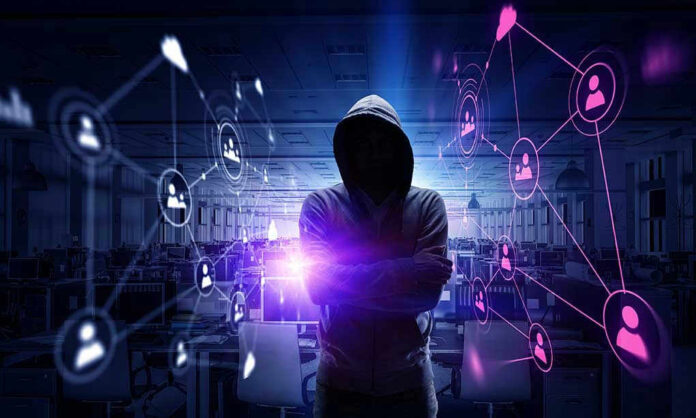
Chinese state-backed hackers have breached U.S. networks so deeply that government officials now warn nearly every American’s private data—including that of President Trump and Vice President Vance—has likely been stolen, exposing a grave national security and privacy crisis.
Story Snapshot
- Chinese hacking group Salt Typhoon reportedly stole data from nearly all Americans, including top political leaders.
- Attackers exploited vulnerabilities in U.S. telecom and infrastructure from 2018–2025, remaining undetected for years.
- International partners joined the U.S. in issuing warnings and sanctions, but experts say attackers may still have access.
- The breach undermines public trust, risks blackmail, and highlights systemic weaknesses in U.S. cyber defenses.
Chinese State-Backed Hackers Breach U.S. Data on Unprecedented Scale
Between 2018 and 2025, Chinese state-sponsored hackers—chiefly the group Salt Typhoon—conducted an “unrestrained” cyber campaign targeting U.S. critical infrastructure, telecommunications networks, and government systems. The campaign intensified in 2023–2024, exploiting weak points in lawful intercept systems and data centers. By September 2025, U.S. officials publicly confirmed the likely theft of data from almost every American, including the sitting President and Vice President. The operation’s scale and persistence have drawn comparisons to historic breaches, but with a reach that now touches virtually all U.S. families and businesses.
Salt Typhoon and related groups operated with remarkable sophistication and patience, leveraging supply chain vulnerabilities and insider access. Data brokers like Zhou Shuai and Yin Kecheng played a pivotal role, exfiltrating and monetizing vast amounts of sensitive information at the direction of Chinese intelligence agencies. Despite mitigation efforts by agencies such as the NSA, FBI, and CISA, attackers remain embedded in some U.S. telecom and data center environments. Sanctions and public attributions have followed, but cybersecurity experts stress that full remediation is difficult when adversaries have established such deep and persistent footholds.
International Response and Ongoing Threats
The scope of the breach triggered a rapid international response. Over a dozen U.S. allies, including the UK, Germany, and Japan, have issued joint statements and advisories condemning the attacks and calling for coordinated cyber defenses. The U.S. Treasury sanctioned key Chinese hackers and data brokers, while Congressional committees demanded urgent upgrades to digital infrastructure security. However, global experts warn that the attackers’ ongoing access means the U.S. and its partners remain exposed to targeted espionage, blackmail, and further sabotage—even as investigations and defensive measures intensify across both public and private sectors.
The impact extends beyond immediate security risks. The breach has eroded trust in digital infrastructure, making Americans wary of how their data is handled by both government and private-sector providers. Economic fallout includes rising costs for cybersecurity upgrades, potential intellectual property theft, and regulatory pressures on telecom and technology sectors. Politically, the incident has sharpened U.S.-China tensions and prompted new legislation aimed at hardening defenses. For conservative Americans, this breach stands as a stark warning: unchecked global adversaries and weak digital safeguards threaten both personal liberty and national sovereignty.
Expert Analysis and Broader Implications
Cybersecurity professionals agree that the Salt Typhoon campaign reflects systemic vulnerabilities in U.S. cyber defenses, a situation exacerbated by years of underinvestment and complacency. Analysts say the campaign aligns with longstanding Chinese intelligence priorities—gathering leverage over foreign targets, stealing intellectual property, and shaping geopolitical competition. Industry experts emphasize that persistent access by state-backed attackers means Americans’ private data could be exploited for years to come, with risks ranging from identity theft to influence operations targeting government and critical infrastructure. The consensus among official and industry sources is clear: urgent, systemic reform is needed to protect American constitutional rights, family security, and the nation’s technological leadership.
While the full extent of the breach is still being assessed, government and industry sources confirm that the threat remains active and evolving. As the U.S. and its allies ramp up retaliation and reform, the incident underscores the critical need for vigilance, accountability, and a renewed commitment to safeguarding American data and values from foreign cyber aggression.
Sources:
NSA reveals new details on global cyberattacks by Chinese state-linked hackers (Washington Times)
Trump and JD Vance among targets of major Chinese cyberattack, investigators say (Euronews)
China cyberattacks on supply chain prompt global warning (Cybersecurity Dive)
U.S. Treasury sanctions Chinese hackers and data brokers (U.S. Treasury)