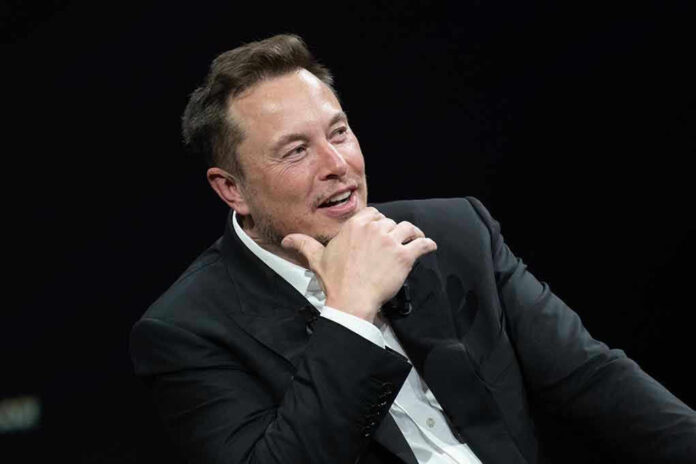
Elon Musk’s quiet admission that he wouldn’t launch the Department of Government Efficiency again raises hard questions about whether Washington’s entrenched bureaucracy just outlasted the most aggressive reform drive in modern history.
Story Snapshot
- Musk now signals regret over DOGE, casting doubt on how much the “chainsaw” campaign really shrank the deep state.
- DOGE tried to rapidly slash federal agencies and payroll, triggering lawsuits, court reversals, and data disputes.
- Trump’s broader 2025 agenda still targets bloated, woke bureaucracy, but without Musk’s headline‑grabbing role.
- The DOGE saga shows both how much waste Americans are up against and how fiercely the bureaucracy fights back.
Musk’s Second Thoughts: What His DOGE Regrets Really Mean
Elon Musk’s reported comment that he would not do DOGE again lands with a thud for conservatives who cheered his promise to take a chainsaw to Washington. For months, he was the public face of the Department of Government Efficiency, holding up a literal chainsaw at CPAC and vowing to rip out layers of bureaucracy that suffocate taxpayers and small businesses. Now, his doubts force a sober look at how deeply the permanent government defends its own power and paychecks.
The backstory matters. Trump created DOGE by executive order early in his second term, bringing Musk in as a special government employee with a mandate that echoed decades of conservative frustration: slash waste, dismantle redundant agencies, and end weaponized “woke” bureaucracies like those pushing DEI, globalist foreign aid priorities, and aggressive regulators targeting finance and energy. The idea electrified many on the right because it finally married Project 2025’s detailed playbook with a hard‑charging operator comfortable making enemies.
How DOGE Took on the Bureaucracy — And Hit a Legal Wall
Once DOGE’s machinery started moving, Washington’s entrenched interests pushed back with full force. Tens of thousands of employees were slated for buyouts, terminations, or “deferred retirement” as DOGE targeted agencies such as USAID and the Consumer Financial Protection Bureau, long viewed by conservatives as bastions of left‑wing activism and regulatory overreach. Unions rushed to court, judges issued injunctions, and many workers were ordered back, revealing how strongly the legal system shields the federal class from accountability ordinary Americans face daily.
Transparency became another battlefield. DOGE set up a portal to showcase claimed savings and staffing cuts, promising “maximal transparency” to taxpayers tired of opaque budgets and bloated line items. Almost immediately, outside analysts and hostile media began poring over spreadsheets, flagging duplicated entries and misclassified “savings.” Supporters saw this as a predictable establishment attempt to discredit reform; critics argued the data errors undercut DOGE’s credibility. Either way, the episode highlighted how hard it is to quantify real cuts in a system built to hide its own size.
What Survived After Musk Left Washington
By late spring, Musk’s limited government‑employee clock ran out and he left Washington, even as Trump officials publicly insisted that DOGE’s mission was being “institutionalized” across agencies. On paper, many of the most disruptive DOGE structures later dissolved, and the formal hiring freeze was lifted. Yet Trump’s broader agenda to dismantle DEI programs, strip out radical gender ideology from schools, close the border, and unwind globalist priorities continued through other executive orders and legislation, proving that the drive to rein in the state was bigger than any one tech billionaire.
For grassroots conservatives, this mixed outcome is frustrating but clarifying. DOGE briefly showed what it looks like when an administration genuinely tries to cut the federal workforce instead of just talking about it. The fierce union resistance, rapid‑fire lawsuits, and quick court victories for bureaucrats showed how deeply the system is wired to protect itself first. Musk’s apparent reluctance to repeat the experience underscores that even wealthy, high‑profile reformers take a beating when they challenge the permanent class that lives off your tax dollars.
Lessons for Patriots: Shrinking Government Will Be a Long Fight
Musk’s reported regret does not mean the effort was a mistake; it means the fight is bigger, messier, and more lawfare‑heavy than many imagined. For citizens worried about inflation, reckless spending, woke mandates, and intrusive regulators, DOGE’s story is a reminder that winning one election is not enough. Real reform requires patient legal groundwork, airtight data, and allies ready to withstand years of court battles and media attacks whenever they threaten the privileges of the Washington ruling class.
Going forward, the question is whether conservatives treat DOGE as a failed experiment or as a first draft. Trump’s ongoing push to roll back DEI, secure the border, and rip out weaponized regulatory power suggests the latter. Patriots who want smaller, constitutional government will need to demand not just bold ideas, but durable, legally grounded reforms that can survive the inevitable backlash. DOGE’s rise and fall proves the bureaucracy will not surrender quietly; it must be pushed back methodically until it serves the people again.
Sources:
Project 2025 wanted to hobble the federal workforce. DOGE has hastily done it — and more
At CPAC, Elon Musk wields prop chain saw to celebrate DOGE cuts
Department of Government Efficiency
DOGE shared its receipts — and some of them don’t match