At least 139 people died and 84 are still missing after a migrant boat capsized off Djibouti on the Yemen route, underscoring a deadly corridor that keeps taking lives while global leaders argue and stall.
Story Highlights
- The United Nations migration agency reported 139 dead and 84 missing after the Djibouti shipwreck.
- About 305 people were on board; roughly 82 were rescued, matching the death and missing counts.
- Djiboutian authorities continued search-and-rescue operations along the Obock coast.
- The route has grown deadlier, with nearly double the deaths in 2025 compared with 2024.
What Happened Off Djibouti’s Coast
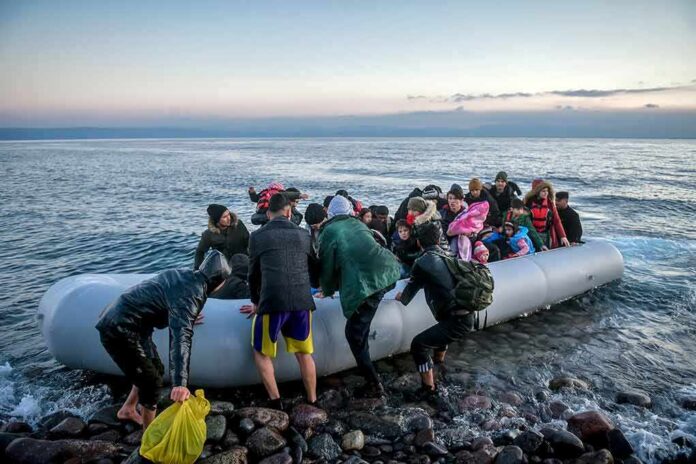
United Nations migration officials said the boat capsized overnight between October 8 and 9 near Guhere, north of Obock, as it sailed from Djibouti toward Yemen. The agency reported at least 139 dead after 30 more bodies were found, with 84 still missing. Rescuers pulled survivors from the water, and Djiboutian authorities kept searching the coast. Reports said many on board were Ethiopians trying to reach the Gulf states through Yemen, a well known but risky path.
International Organization for Migration figures described a crowded vessel with about 305 people on board. The numbers line up: 139 confirmed dead, 84 missing, and about 82 rescued equals 305. Media accounts called the boat overcrowded. Officials have not yet issued a formal maritime finding on the exact cause. The death toll shifted over the weekend as more bodies were recovered, which is common in sea disasters as searches continue and remains are identified.
Why People Risk the Eastern Route
People take this route because jobs in the Gulf can pay more than work at home. Travelers often cross deserts, pay smugglers, and ride open fishing boats. These boats offer no safety gear and no paper trail. United Nations reporting shows the route is not a one off event; it is a pattern. Deaths and disappearances on this corridor nearly doubled in 2025 compared with the year before, even as more people attempted the journey. That trend points to rising risk and failing deterrence.
Smugglers push quick departures, pack in people, and race bad weather. Migrants and asylum seekers rely on them because legal pathways are scarce and slow. When boats go down, families have no records to check. No manifest means confusion about who boarded and who survived. That explains why early counts changed in this case. It also explains why the boat’s identity and operators were not named in official updates, leaving little accountability beyond rescue work and body recovery.
Search Efforts and What We Know Now
Djiboutian authorities led shoreline patrols and recovery teams after dawn. International Organization for Migration teams supported survivors with care and registration. The agency said the dead include men, women, and children, reflecting the full mix of travelers on this route. Reporters placed the wreck north of Obock, with small spelling differences in the location name across outlets. Those differences are common in regional coverage and do not change the core facts.
Some outlets cited 305 people on board, while one report put the figure at 350. The 305 total aligns with the combined count of deaths, missing, and rescues published by the United Nations migration agency. The higher figure likely reflects early estimates during chaos. Officials will refine totals as families report missing loved ones and as recovery teams find more remains. For now, the official count centers on the 139 dead and 84 missing figure from the United Nations.
Why This Matters Far Beyond Djibouti
This tragedy shows how global systems fail both border control and human life. People who cannot find safe, legal ways to move will keep turning to smugglers. Governments debate, pass half measures, and then blame one another when bodies wash ashore. The result is the worst of both worlds: uncontrolled flows and rising deaths. That outcome offends basic values shared by most Americans across party lines—protect life, enforce rules, and tell the truth about costs and tradeoffs.
🇩🇯 At least 139 people, including children, died after an overcrowded migrant boat capsized off Djibouti while heading to Yemen. Dozens remain missing. The eastern migration route continues to exact a devastating human cost. https://t.co/fjw8ggPmbs
— AFRICA NOW (@AfricaNowX) October 12, 2026
Policy choices can lower the death toll. Clearer legal work routes, faster asylum reviews, and tougher action against smuggling networks can reduce demand for deadly trips. Better maritime patrol coverage can spot risky launches and stop boats before they hit open water. None of this is simple or cheap. But the alternative is more scenes like Obock: lined-up body bags, stunned survivors, and families getting news no one should hear. The numbers from Djibouti are a warning, not a surprise.
Sources:
foxnews.com, bbc.com, rte.ie, news.un.org, internazionale.it
© truthandliberty.com 2026. All rights reserved.