Hundreds of thousands marched across France after weeks of student-led protests grew into a nationwide outcry over living costs and crumbling public services, forcing leaders to balance security with social strain.
Story Snapshot
- Student protests over missing teachers and poor school conditions expanded into mass marches.
- Officials counted about 550,000 demonstrators across more than 100 marches on October 17.
- Protesters cited rising fuel prices, the cost of living, and failing services alongside school woes.
- Authorities reported hundreds to more than 1,000 arrests during violent clashes and looting.
What Sparked The Unrest And How It Grew
Reporting traced the first actions to September in poorer suburbs of Paris, where high school students protested missing teachers and worn-out buildings. Teachers and parents joined as classes were disrupted and campuses were blocked. Crowds spread beyond schools as labor unions and anti-government groups arrived. By mid-October, demonstrators in cities nationwide echoed broader complaints about rising household costs and public services that people say no longer work well. That shift turned school anger into a wider social alarm.
Officials and organizers offered different turnout counts as the movement grew. France’s Interior Ministry reported more than 250,000 protesters on October 6, while organizers said 450,000. On October 17, live coverage cited about 550,000 across roughly 110 marches, showing rapid expansion in little more than a week. The gap in estimates is common in France, but both numbers point to a large and spread-out mobilization. The scale suggests anger that reaches beyond single schools or cities.
What Protesters Say: Costs, Fuel, And Services
Marchers voiced linked worries: rising fuel prices, the high cost of living, and public services in decline, especially in education. Students pointed to staff shortages and shabby classrooms. Parents and teachers warned about lost class time and a system they say has fallen behind needs. Others focused on price pressure at the pump and in stores. The coalition drew energy from the mix, not one item alone. That blend explains the wide geography and fast growth of the crowds.
Journalists and researchers see a familiar French pattern. The 2018 to 2019 Yellow Vest protests also began over fuel costs but quickly widened into a fight about purchasing power and trust in the state. Today’s wave started in schools rather than on highways, yet it followed a similar path as new groups joined and the message broadened. The parallel helps explain why local school complaints evolved into clashes in big city centers. It also warns that more agendas can enter as the ranks swell.
Violence, Policing, And Calls For Order
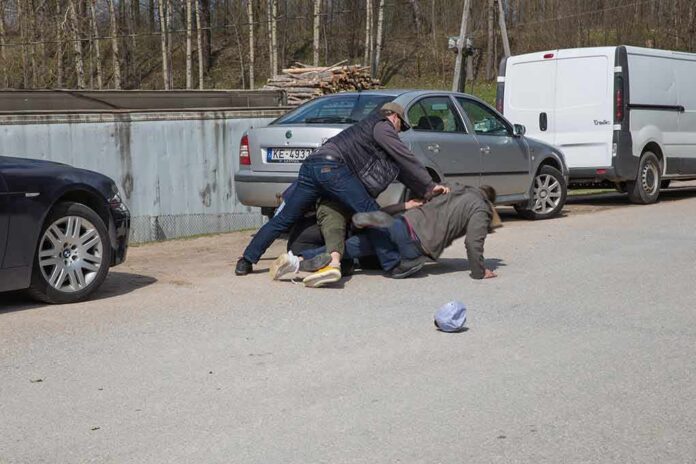
Police and protesters clashed in several cities, with images of burning debris, smashed storefronts, and scuffles in the streets. Authorities reported more than 1,200 arrests after the worst nights, and officials described targeted violence by hooded groups during some marches. Leaders urged calm and backed firm policing. The interior minister and prime minister considered or imposed partial curfews in hard-hit areas, arguing that restoring order was needed to protect residents and businesses from further harm.
The October 17, 2026 unrest in France grew out of weeks of student protests (starting in Paris suburbs over teacher shortages, crumbling schools, and infrastructure) that merged with broader anger over the cost of living, fuel prices, public services, and government inaction.…
— Cathy Morgan (AFH) I exist 🌸 (@CathyMo41926708) October 21, 2026
Security-centered coverage can overshadow the policy grievances, yet both stories are real: a large movement on the streets and real damage during peak unrest. One official called the school-related clashes the heaviest toll in decades, highlighting the strain on police and the risk to bystanders. That framing can draw public support for tougher measures. It also raises a question for leaders: how to address the core costs and service complaints without rewarding violence or ignoring peaceful marchers.
Why This Matters Beyond France
People in the United States will recognize the deeper theme: when everyday systems do not work, trust erodes. French protesters say they pay more and get less from schools and services. American families, right and left, voice similar anger when taxes rise, energy is costly, and public systems seem broken. The French case shows how a focused grievance can become a broad revolt fast, especially when many feel elites protect their own while ordinary people fall behind.
For policymakers, the lesson is simple and hard. Fix the basics before frustration spreads. Hire and retain teachers. Repair buildings. Target relief toward fuel and family budgets when prices jump. Communicate what is funded and when results will arrive. In France, the window to act is narrowing as arrests stack up and curfews expand. The United States should watch closely. When daily life feels rigged, people take to the streets, and restoring order alone cannot fix the root cause.
Sources:
thebostonreport.com, dw.com, afp.com, bbc.co.uk, timesofisrael.com
© truthandliberty.com 2026. All rights reserved.