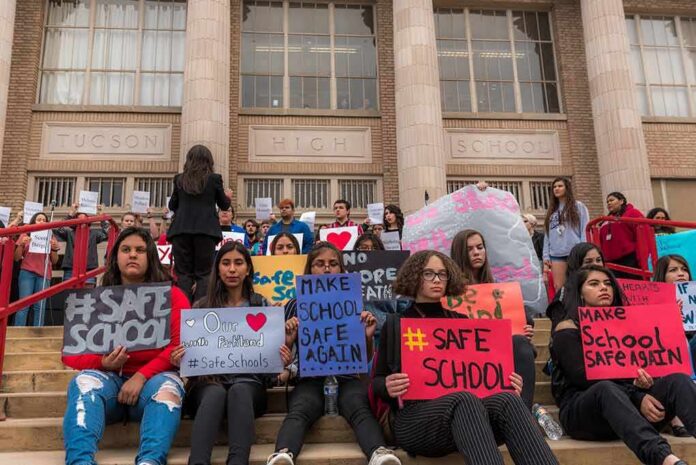
Masked students at Middle Tennessee State University marched to ban a student group after a disputed October event, putting free speech and campus safety on a collision course.
Story Snapshot
- About 30 students marched, chanting “Fascists off our campus,” and pushed a ban petition with 550+ signatures.
- Protesters said the October event spread white nationalist and anti-LGBTQ+ rhetoric, but no transcript or recording was cited.
- The Turning Point USA chapter refused to apologize and framed the issue as First Amendment rights.
- The university president had not publicly responded when reports ran, leaving both narratives in play.
What Sparked The Clash At MTSU
Local station WSMV reported that about 30 masked students marched at Middle Tennessee State University on November 12, 2026. They chanted “Fascists off our campus” and called for the Turning Point USA chapter to be disbanded. Organizers said a petition had more than 550 signatures. The action followed an October event featuring podcaster Joshua Haymes. Protesters said the event included white nationalist rhetoric and attacks on LGBTQ+ people, but they did not supply a transcript or recording.
Reports identified Haymes as a former pastor and a podcast host tied to other campus appearances. Past coverage outside MTSU has labeled him a “Christian nationalist,” and some outlets reported remarks that drew strong criticism. Those profiles explain why some students objected to his presence. However, the MTSU reports do not show what he said on that campus in October, which keeps the dispute focused on claims and counterclaims rather than verified quotes.
How The Student Group Responded
The Turning Point USA chapter at MTSU said it would not apologize or regret hosting the event. The chapter cited the First Amendment and said its policy is to promote free speech on campus. It urged the university to follow law and policy. The group added that students who did not want to hear the speakers could leave the event. That response frames the fight as censorship versus speech rather than harassment versus safety, at least until formal findings emerge.
MTSU student media described the October stop as a public debate format. Students or passersby could take a microphone and engage Haymes on religion and politics. Earlier in the year, campus reporting said Haymes events at MTSU drew hundreds of students from different political backgrounds. Supporters point to those details to argue the meetings were open and cross-political, not closed rallies. Those facts do not decide the content question, but they explain why advocates call it protected speech.
Why Evidence Gaps Matter For A Ban
The protest demanded that the university ban the chapter and bar Haymes from campus. The reports do not cite a university finding of policy violations tied to the October event. They also do not present records of threats, targeted harassment, or incitement at MTSU. Without those items, a ban risks looking like viewpoint discrimination. That invites legal and policy pushback, especially at public schools bound by the First Amendment.
[Video] Protest to remove Turning Point USA chapter at MTSUhttps://t.co/8iXcEwsWqy
— @ChrissyF2 (@ChrissyF22) November 14, 2026
This standoff mirrors a wider campus trend. Opponents often argue that some speech makes communities unsafe and violates core values. Supporters argue that public institutions must be viewpoint neutral, even when speech offends. Research shows speaker controversies rise and fall over time, but actual event cancellations are a small slice of campus life. That context suggests a clear next step at MTSU: document exactly what was said, apply rules evenly, and publish the decision path.
What To Watch Next
Watch for any formal response from Middle Tennessee State University’s president or conduct office. A clear statement on whether rules were broken would shift this from a shouting match to a policy case. If officials confirm complaints or violations, they must show how the findings meet written standards. If they do not, they should explain how the school will protect speech while managing disruption. Either way, transparency will build trust across the campus divide.
Why This Hits A National Nerve
Americans across politics worry that powerful institutions tilt the field and dodge hard calls. On campuses, that often looks like slow, opaque discipline and sudden crackdowns that seem political. People on the right see censorship of conservative views. People on the left see tolerance of speech they view as hateful. Both sides feel ignored. Clear evidence, fair rules, and quick timelines are not just good governance. They are how a public school shows it works for everyone.
Sources:
thegatewaypundit.com, wsmv.com, talkingpointsmemo.com, mtsusidelines.com
© truthandliberty.com 2026. All rights reserved.